
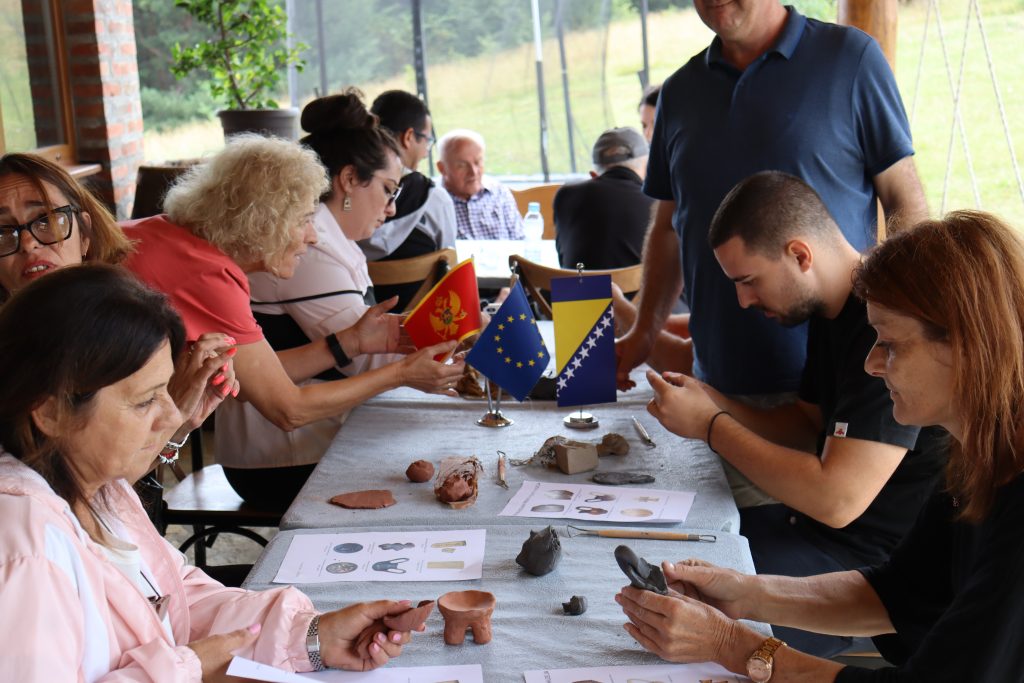
A medieval fortress in Montenegro. Another in Bosnia and Herzegovina. Two museums, two cities and one idea: cultural heritage makes more sense when neighbouring communities work together to preserve it, interpret it and make it easier to experience.
That is the thinking behind InclUSivE HERITAGE, an EU-supported cross-border project connecting the Polimlje Museum in Berane, Montenegro, with the Museum of Herzegovina in Trebinje, Bosnia and Herzegovina.
The cooperation focuses on two archaeological sites, Gradac near Berane and Mičevac near Trebinje, while also improving how both museums present their collections and welcome different groups of visitors.
The aim is not simply to conserve old walls and objects. It is to connect expertise, technology and local knowledge across the border, so that cultural heritage becomes more accessible and more useful to the communities around it.
From Gradac to Mičevac
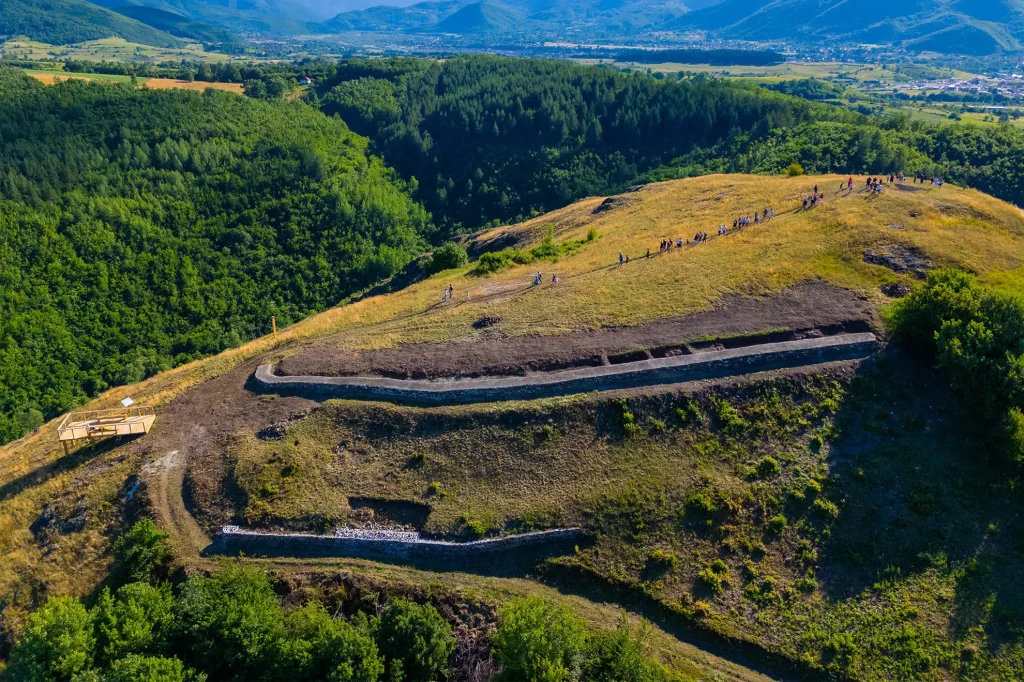
At Gradac, conservation work completed in 2026 stabilised parts of the fortification, cleaned the site and added information boards and a panoramic terrace. The site is now open to visitors.
Across the border, Mičevac forms the other part of the story. The medieval site above the Trebišnjica River is being brought into closer connection with Trebinje’s cultural offer, while the Museum of Herzegovina works with its partners in Berane on conservation, interpretation and accessibility.
The two sites are different, but the challenges are familiar on both sides of the border: how to protect fragile heritage, how to make it understandable to visitors and how to make sure it remains connected to contemporary community life.
Sharing more than expertise
The cooperation also moves inside the museums.
Both institutions are digitising selected artefacts and developing more interactive ways of presenting their collections. This allows museum objects to be documented, shared and experienced in new ways, while helping preserve information about them for the future.
The project also puts accessibility at the centre of the work. Activities in Berane have included tactile archaeology and adapted visits for people with disabilities, while both partners are looking at how museum spaces, archaeological sites and interpretation can become easier for more people to use.
That is where cross-border cooperation becomes practical.
One museum does not need to solve every problem alone. Methods tested in Berane can inform work in Trebinje. Experience from Mičevac can feed back into Gradac. Digitisation, conservation and accessibility become shared tasks rather than separate local efforts.
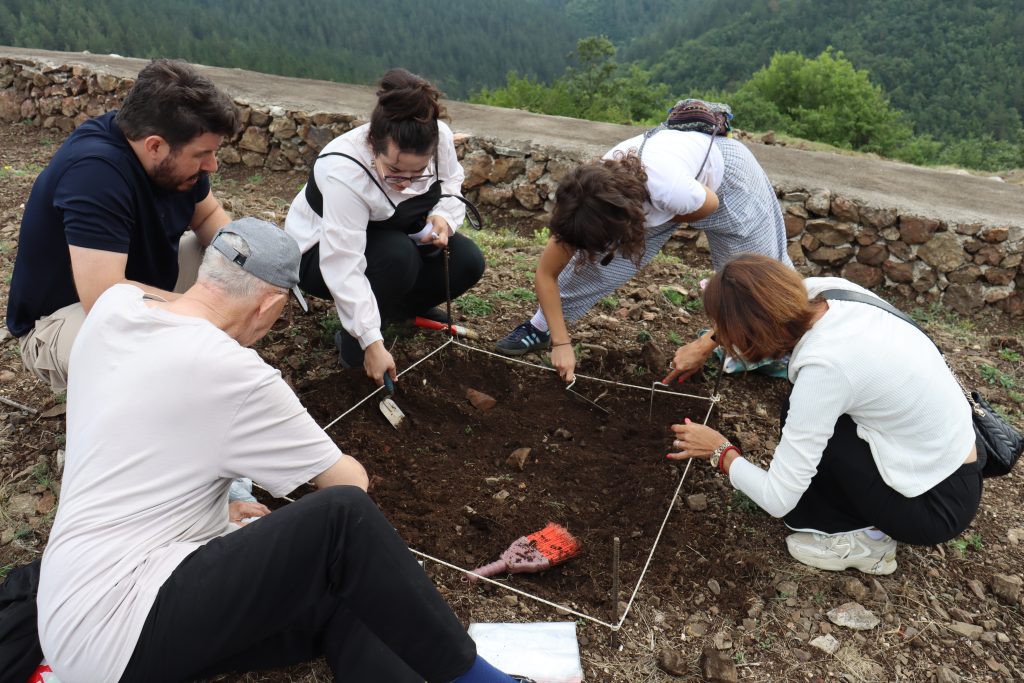
Heritage does not stop at the border
The histories of Montenegro and Bosnia and Herzegovina have crossed, overlapped and influenced each other for centuries. The borders are modern. The cultural connections are much older.
InclUSivE HERITAGE builds on that reality.
By bringing museums and heritage professionals together, EU-supported cooperation is helping two neighbouring communities protect what they inherited while finding new ways to use it today.
The result is not one single monument or museum display.
It is a shared approach: preserve the sites, open them up, learn from each other and make heritage easier to experience on both sides of the border.
Because history may belong to a place, but preserving it often works better together.


