
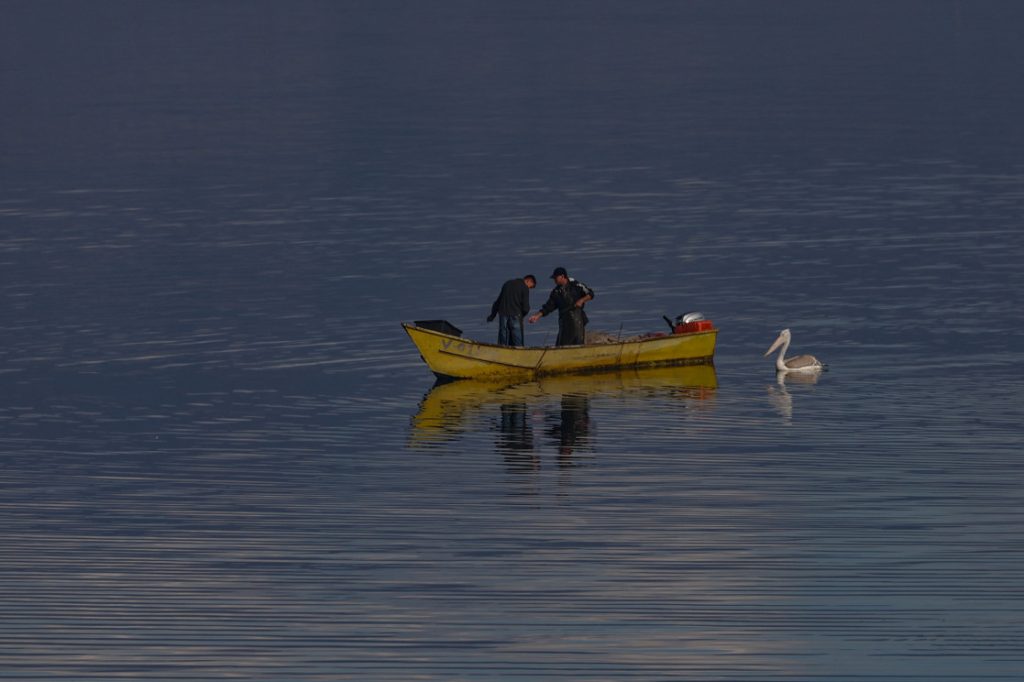
With a little luck, it is possible to enjoy the beauty of Lake Skadar until late autumn – its stunning natural scenery, tranquillity, dozens of bird species, most visible in the early morning, including pelicans, kayaking or boat trips, swimming or simply sunbathing on the beaches… Those who manage to visit in May or June can easily be left breathless by the beauty of the water lilies, which are abundant on the Montenegrin side of Lake Skadar.
Along the shores of this natural wonder, visitors from the United States, Germany, Poland, Spain, the United Kingdom, Ukraine, Russia and elsewhere can be found. Most say they would recommend a visit to Lake Skadar to everyone they know. Many say they came to Bar, Kotor or another destination in Montenegro, and were then recommended the lake, or spotted an interesting offer online.
Lake Skadar lies between Montenegro and Albania. The easiest way to reach its shores from Podgorica is by train or bus to Virpazar, where the adventure begins. It is also possible to take a taxi, which takes just around 20 minutes. Along the way, the friendly driver may tell you that one of the lake’s islands was home to a prison before the First World War, or share stories about the local fish, which are said to be best prepared with prunes, on base his grandmother’s recipe.
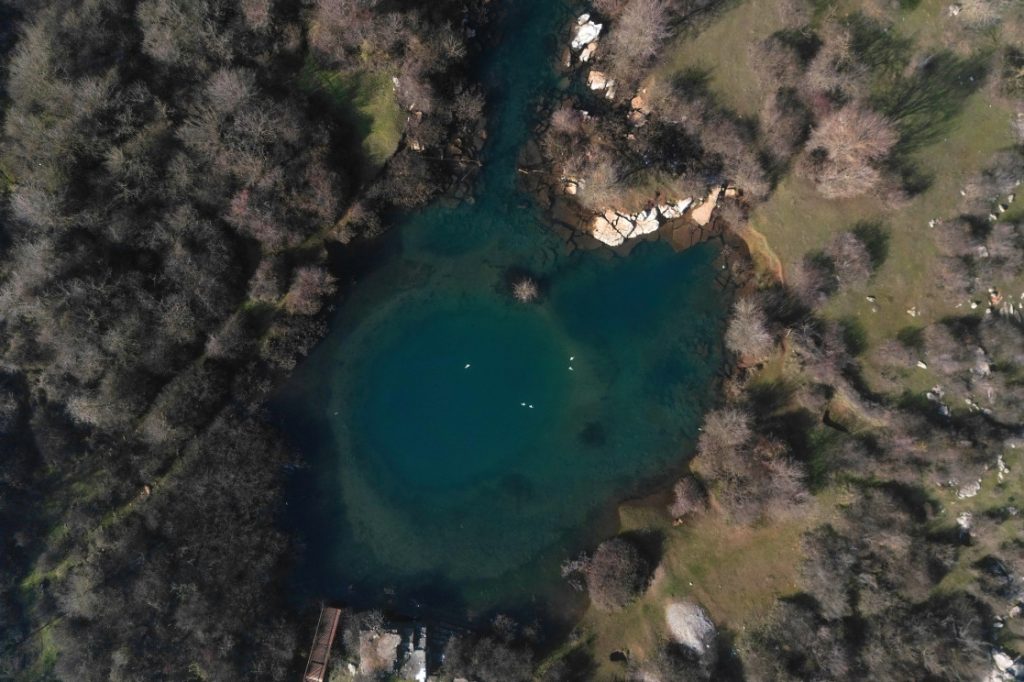
A small bus also runs from Podgorica to Shkodër in Albania almost every two hours, where curious visitors can find similar natural beauty and a rich range of tourist activities. Prices range from around €15 to €100 for boat trips on vessels of various shapes and sizes, lasting one, two or three hours; visits to monasteries; birdwatching; bicycle or canoe hire; food; wine; souvenirs; homemade spirits; jams and other locally made handicrafts. Shkodër can also be reached by car or bus from Tirana and other parts of Albania.
Local residents on the both sides of lake say that more than 50 families on each side of the lake make a living from tourism, and that the surrounding villages have experienced a revival as the number of visitors has increased.
Lake Skadar is the largest lake on the Balkan Peninsula and a cryptodepression – its surface lies above sea level, while its bed is below it. The lake’s surface area varies considerably depending on water levels, with some sources putting it at between 370 and more than 500 square kilometres. The lake and the surrounding area form a natural reserve for plant and animal life, particularly birds. More than 280 bird species have been recorded in the area, including the Dalmatian pelican, whose wingspan can reach around three metres.
The lake is essentially a vast system of channels, wetlands and islands, of which there are around 50, according to tourist guides. The islands are home to numerous fortresses, monasteries, archaeological sites, medieval buildings and traditional houses.
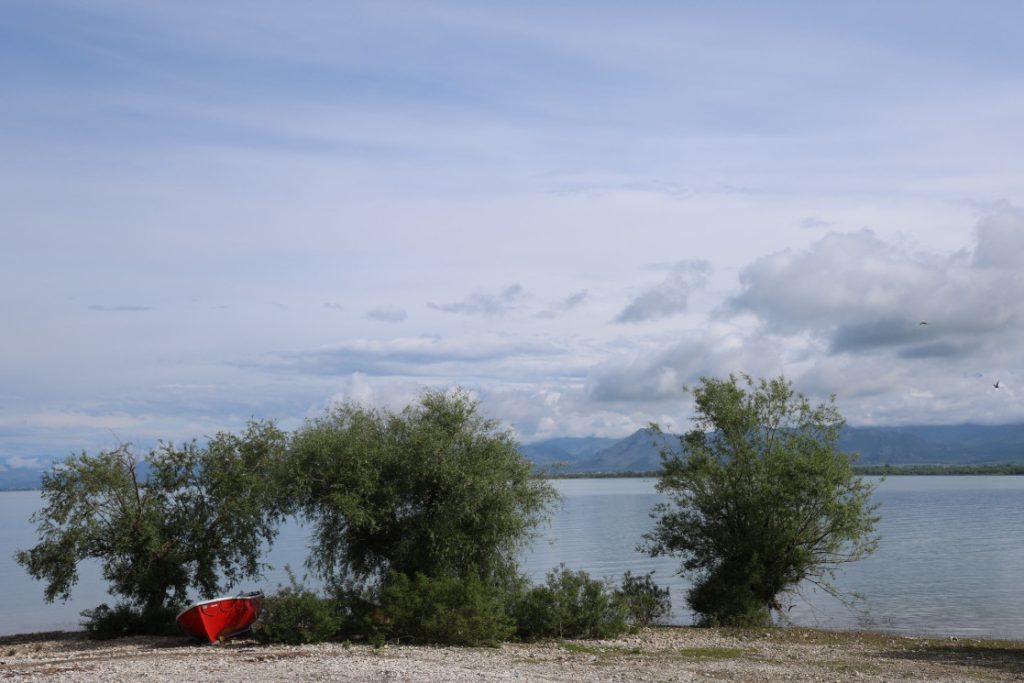
In June 2026, UNESCO, through its Man and the Biosphere Programme, designated Shkodër Lake in Albania and the Skadar Lake Watershed in Montenegro as new biosphere reserves. Although Montenegro and Albania jointly sought protection for the area, Lake Skadar has received international biosphere reserve status through two separate areas in the two independent states.
The UNESCO decision followed several years of work to prepare the nomination. Within the Albania-Montenegro Cross-Border Cooperation Programme, the European Union funded the project ‘Lake Skadar Basin – Transboundary Biosphere Reserve’, implemented by the EDEN Centre in Albania, EnvPro in Montenegro, Albania’s National Agency of Protected Areas and the National Parks of Montenegro.
“We prepared three UNESCO nomination dossiers over 36 months – two national and one transboundary – seeking biosphere reserve status for the oldest lake in the Balkans and its aquatic ecosystems,” explained Ermelinda Mahmutaj of EDEN. She stressed that the IPA Albania-Montenegro Cross-Border Cooperation Programme supports the project and promotes ecosystem conservation through cooperation among the partners. The key elements of the UNESCO dossiers were joint design, implementation and management, because without these, success would not be possible.
Young European Ambassadors from Albania and Montenegro are now jointly promoting the lake as an attractive destination and, judging by the number of young people travelling on buses and trains, it seems that they have recognised the importance of this natural wonder.
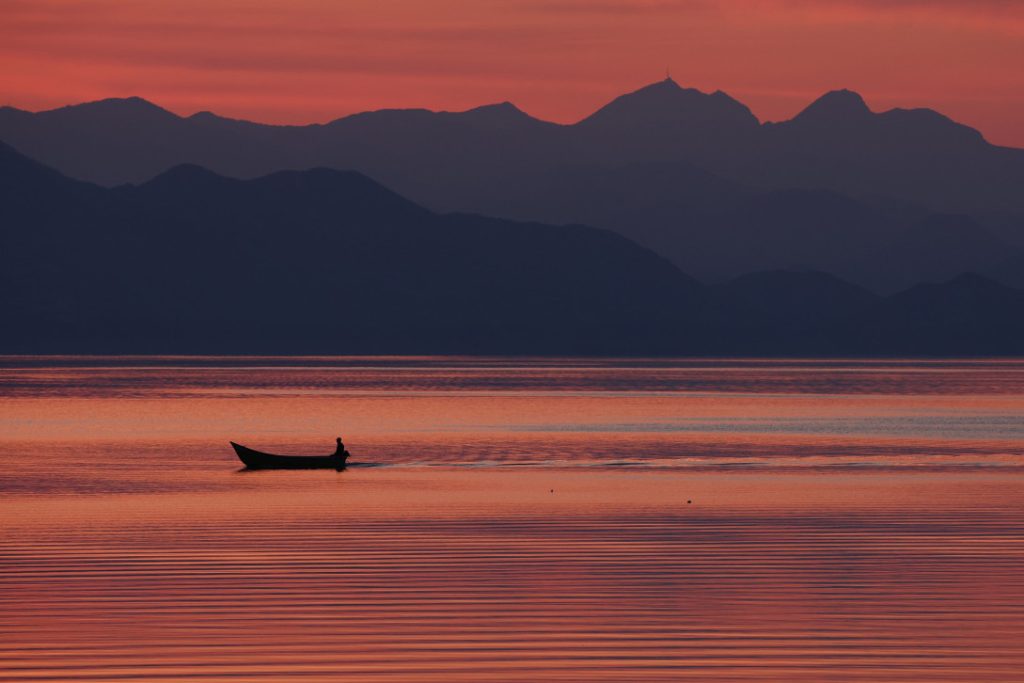
Visitors of all ages walking along the lake’s shores are full of praise: the people are wonderful, the nature is beautiful, the food is excellent, it is not expensive, the beaches are lovely and the activities are attractive. Katarina from Ukraine, impressed by the natural surroundings and by birds that are not afraid of people, believes that seeking UNESCO protection was the right move.
“We have a global problem with the destruction of nature because wars are being fought all over the world in which animals are also dying. People must do everything they can to protect nature,” says Katarina.
Legend has it that the lake was created in a single night. The experiences of tourists who have visited Lake Skadar suggest that one night in this part of the world is far too little to see and experience all its beauty.


