
What We do Today Shapes Young People’s Reality Tomorrow
Over morning coffee in Mitrovica North, Miodrag Milićević begins another day of work shaped by a question that has stayed with him for decades: how can the rights people are promised become the rights they actually experience?
For the Executive Director of NGO Aktiv, the answer is found in everyday life. In being able to turn to an institution for help. In knowing that your voice matters, whatever your background is. These are also the experiences through which he wants people to understand the European Union: through what its values could mean for them, their communities and their children.
“Every measurable success we achieve means improvement in the lives of one or more people who benefit directly from it,” he says. “It is not the organisation’s success; it is the success of an effort to bring positive change to society—change that will affect your life, my life and the lives of many others.”
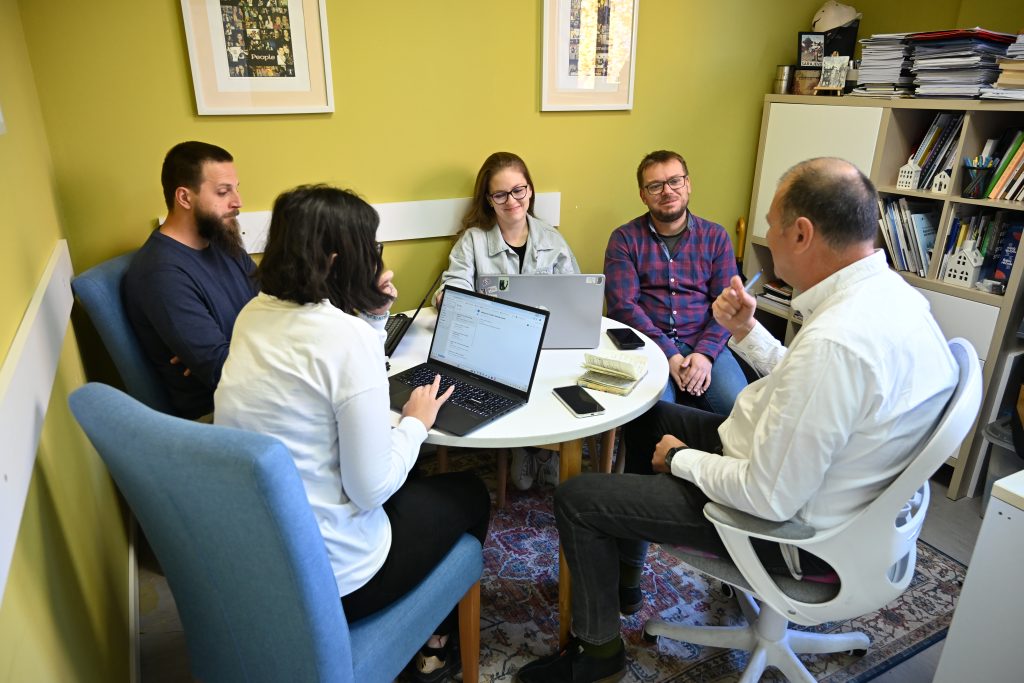
In conversations with colleagues, Miodrag focuses on the problems that citizens bring to NGO Aktiv and what can be done to resolve them. Each concern raises a practical question: are institutions listening, responding and helping people exercise their rights? For him, this is where European values begin to matter in everyday life—when people are treated fairly, their concerns are taken seriously and they can trust the institutions meant to serve them.
The organisation listens, researches and proposes practical solutions to institutions. Miodrag knows how much depends on what happens next. A recommendation must become a change people can feel.
Respect for human dignity means treating someone’s difficulty as worthy of attention. Equality means being able to exercise a right regardless anything. Institutional accountability means receiving an answer—and having a way to challenge it.
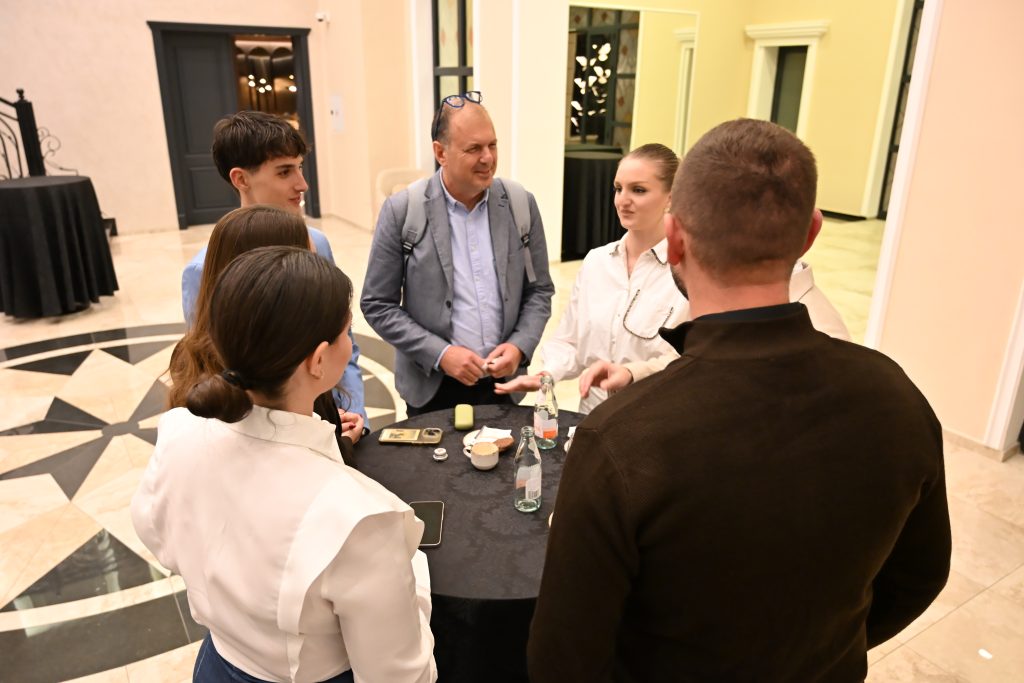
Bringing the EU standards closer to citizens therefore also involves working with the people inside institutions, helping turn shared standards into everyday practice.
“Our role is to bring the European Union closer to citizens—not only young people, but also those working in institutions,” Miodrag explains.
For him, young people have a particular place in that effort. The society being shaped today will become their everyday reality. They need opportunities to question it, contribute to it and discover how others live.
Later in the day, at Europe House in Mitrovica North, the conversation opens towards wider themes. Here, exchanging experiences and ideas is part of helping young people look beyond their immediate surroundings. Meeting someone from another community can make an unfamiliar experience easier to understand. Studying elsewhere can reveal possibilities that once seemed distant and now are possible. A new friendship can give a personal meaning to words such as openness, diversity and belonging.
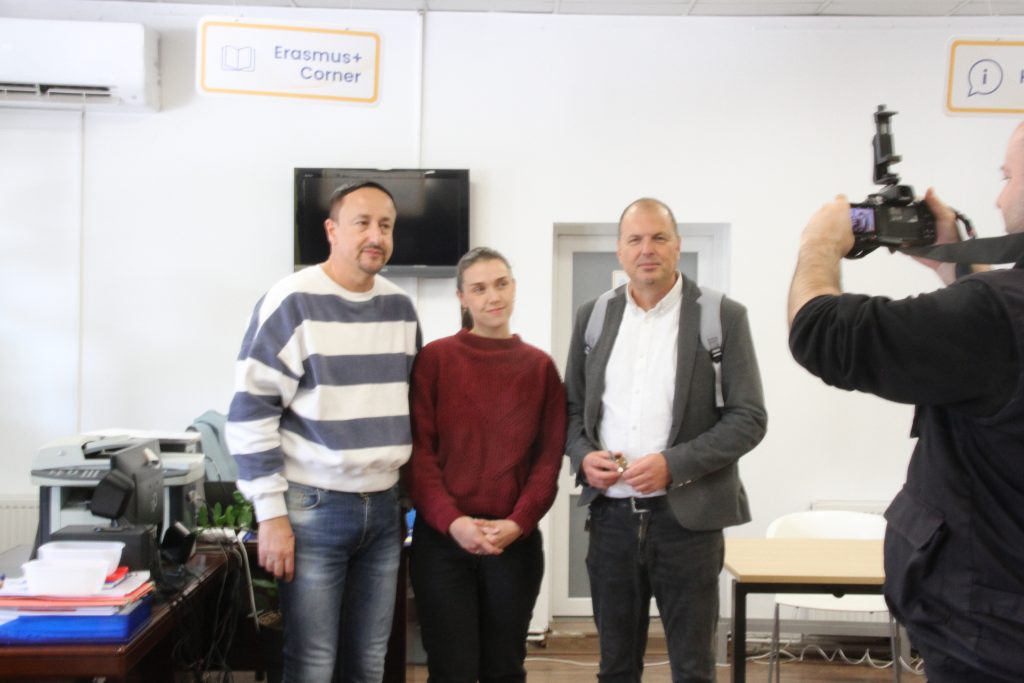
Miodrag sees the EU’s role in creating those connections, especially through opportunities such as Erasmus+.
“It allows youngsters to look beyond their local surroundings, both in their studies and in life more broadly,” he says. “It builds a bridge between young people in the European Union and those in local communities, opening up entirely new perspectives.”
There is something quietly powerful in that possibility: a young person discovering that their future can be larger than the world they have known so far. So, for Miodrag, helping young people understand European values also means giving them room to encounter different perspectives form their own views.
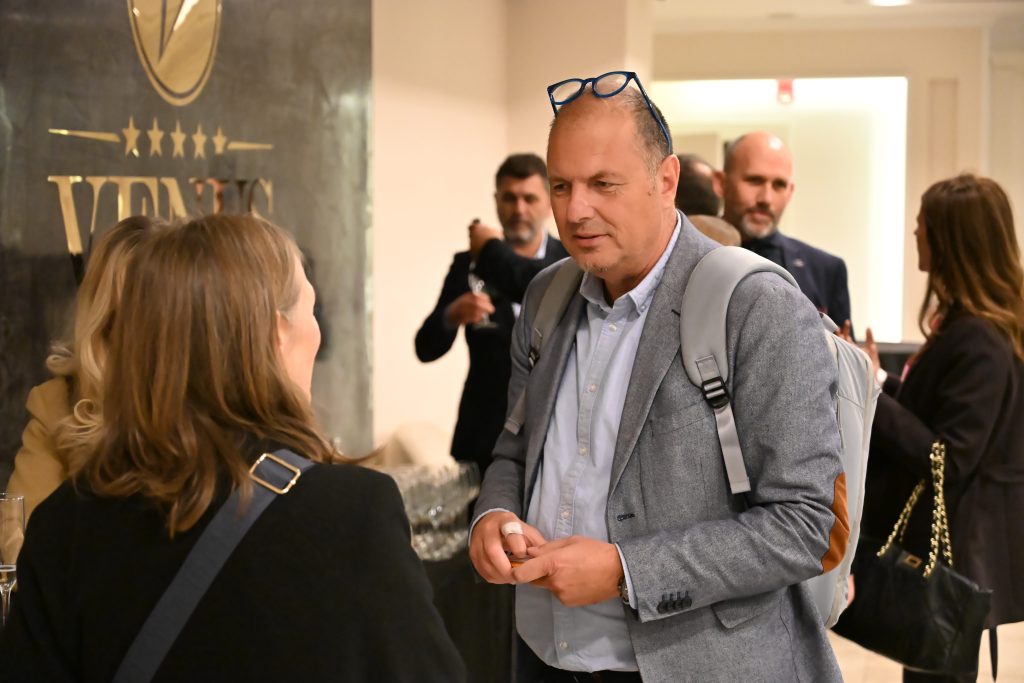
By evening, Miodrag joins representatives of international and Kosovo institutions and civil society at a reception. The conversations move towards shared challenges and ways forward. His attention remains on what cooperation can make possible for the people beyond the room.
“You are laying the foundations for a society that will be better tomorrow than the one we see today,” he says.
From morning coffee to the final conversations of the evening, Miodrag’s work is guided by one conviction: young people should have the freedom to choose their own path and the opportunities to pursue it.


