
Competitiveness and growth
A competitive economy in the Western Balkans is good for the region and good for Europe. The EU has long supported economic development in the Western Balkans. Yet big gaps in prosperity between the region and the EU remain.
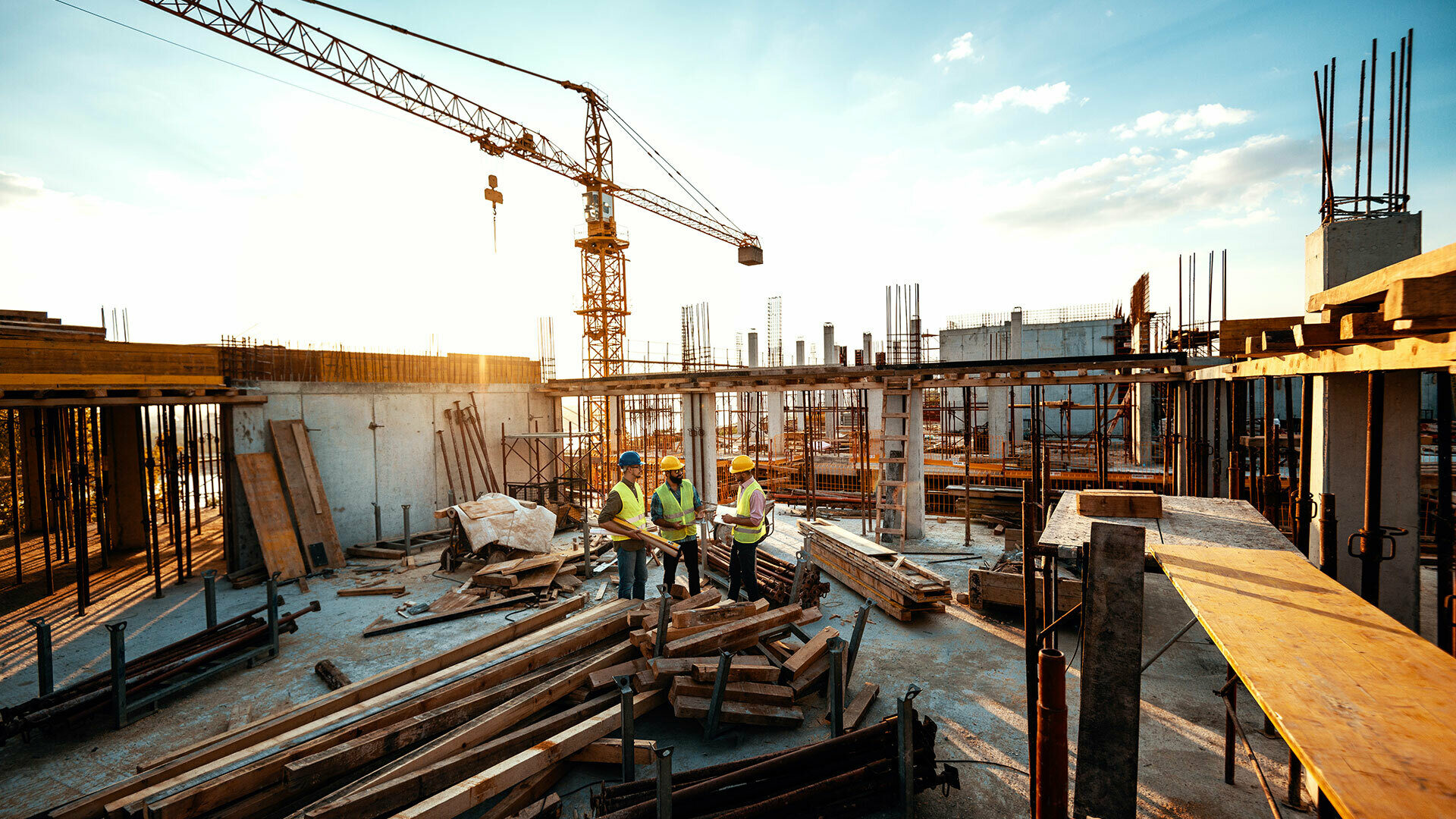
That’s why the EU is stepping up support with the Economic and Investment Plan. Aligned with EU goals towards a greener and digital future, and backed with large-scale funding, this is the chance to build a more innovative, greener, and fairer economy for the future.
What are the challenges?
The Western Balkans are closely linked with the EU. The EU is their largest trade partner and investor. Yet despite much progress – in social and economic development, poverty reduction and improved living standards – the region’s economies continue to lag behind the EU.
- The region faces continued challenges from weak competitiveness, high unemployment and significant brain drain.
- Poor governance and limited progress in tackling corruption are also major factors hampering growth.
- The COVID-19 pandemic has exacerbated these inequalities. Businesses have closed, jobs cut and livelihoods jeopardised.
- According to the World Bank, the region suffered its worst economic downturn on record in 2020. This was a direct result of the devastation brought on by the pandemic, and halted a decade of earlier progress.
Working together is vital to closing the gap, limiting social damage, and stimulating the business environment.
How is the EU responding?
As neighbours and aspiring EU members, the EU is committed to narrowing these inequalities, and building more resilient and competitive economies in the Western Balkans.
This means supporting the necessary reforms required to align with EU standards, while also providing funding and investment to reduce the development gap and make the economies more competitive. Collaboration is at the heart of this support.
Working with governments, private companies and banks in the region, as well with International Financial Institutions (IFIs) and Development Finance Institutions (DFI) of EU member states, the EU has been supporting economic development for decades – through large-scale investment in transport and energy infrastructure projects, the private sector, innovation, and research, education, and much more.