Civil society
A vibrant civil society is a fundamental building block of a healthy democracy. Civil society organisations play a vital role in promoting democratic values, and human rights.
They constitute a link between citizens and government, promote innovation, advocate and hold governments to account.
Supporting civil society in the Western Balkans is a priority for the EU – to build its capacity and resilience, and ensure a wide and diverse participation in civic life.
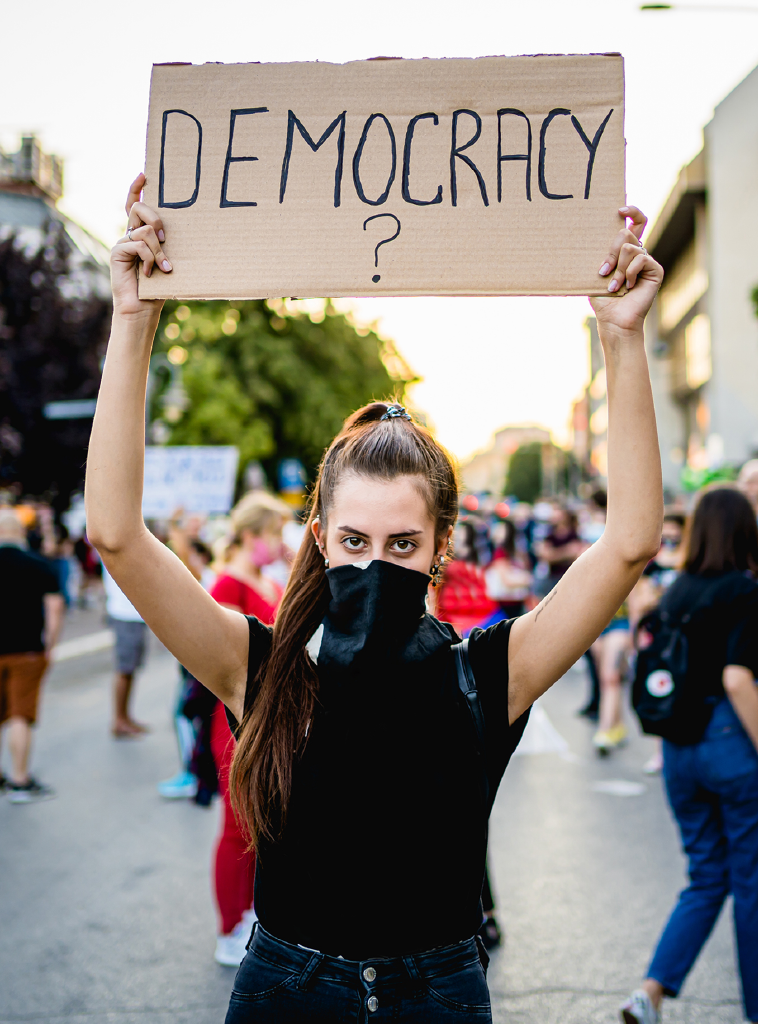
What are the challenges?
Civil society organisations (CSOs) – non-governmental groups such as trade unions, employers’ associations, human rights organisations and other social groups – are both partners for governments, and watchdogs.
- CSOs help raise awareness of rights, bring citizens’ concerns to government, and tackle issues in society – as advocates and service providers.
- However, CSOs in the Western Balkans often face obstacles – from financial constraints and marginalisation, to a shrinking space for exchange and dialogue. Some have faced harassment or even physical threats.
- The COVID-19 pandemic has exacerbated many of these challenges. Yet, at the same time, it also demonstrated the crucial role civil society plays as the link between citizens and governments.
To be effective, civil society organisations need to be able to do their work without unnecessary or arbitrary restrictions.
How is the EU responding?
As evidence of democracy and good governance at work, a vibrant civil society is a condition for EU membership. The EU has been supporting civil society in the Western Balkans for many years, striving to build CSOs in the Western Balkans that are capable, accountable and resilient.
Substantial financial support comes from the pre-accession funds (Instrument for Pre-Accession – IPA), notably through the Civil Society Facility with a designated 3% of IPA funding. This was set up in 2008 in order to develop a more dynamic civil society that can engage in politics and influence decision-makers.
EU support has already helped scores of human rights organisations, women’s groups, environmental activists, youth associations and more, to grow. Training and study visits have helped CSOs build networks and share knowledge with other regional or EU partners.
Beyond funding, the EU plays a key role in encouraging public authorities to create an enabling environment for civil society, and crucially, in monitoring progress.
€345 million in EU funding for civil society and media 2014-2020
3% of IPA funding designated for civil society
Ongoing support
Building capacity
Inclusion
Civic participation
FEATURED PROJECTS
TACSO
Communities First: a civil society hub to address violent extremism