
Keeping the Conversation Open, Even When It’s Hard
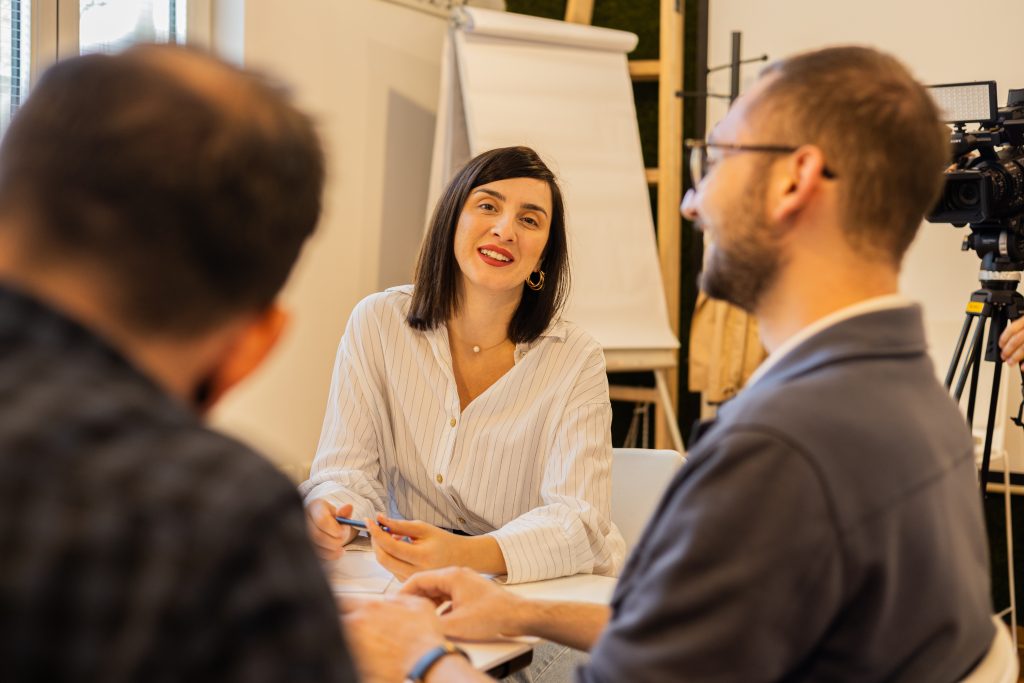
From a morning coffee to conversations that cross borders, Sofija Todorović’s day is devoted to making room for conversation, questions — especially the difficult ones.
Like many people in Serbia, Sofija Todorović starts her day with coffee. But the words on her cup offer an unusual morning greeting—a daily reminder of why she keeps asking difficult questions. “Keep quiet. It’s over. Don’t ask questions. Don’t rock the boat,” are familiar phrases for Sofija: the responses she often heard growing up when conversations turned to uncomfortable subjects.
Her childhood in Serbia during the 1990s was marked by war and power cuts. As she grew older, the explanations she encountered rarely satisfied her curiosity. Even at school, she recalls, there was little room to explore certain questions openly. Yet she is candid about her own starting point. As a young person, her beliefs largely reflected the dominant political views around her. Questioning those views took time — and an encounter she initially approached with considerable suspicion.
A meeting that changed her direction
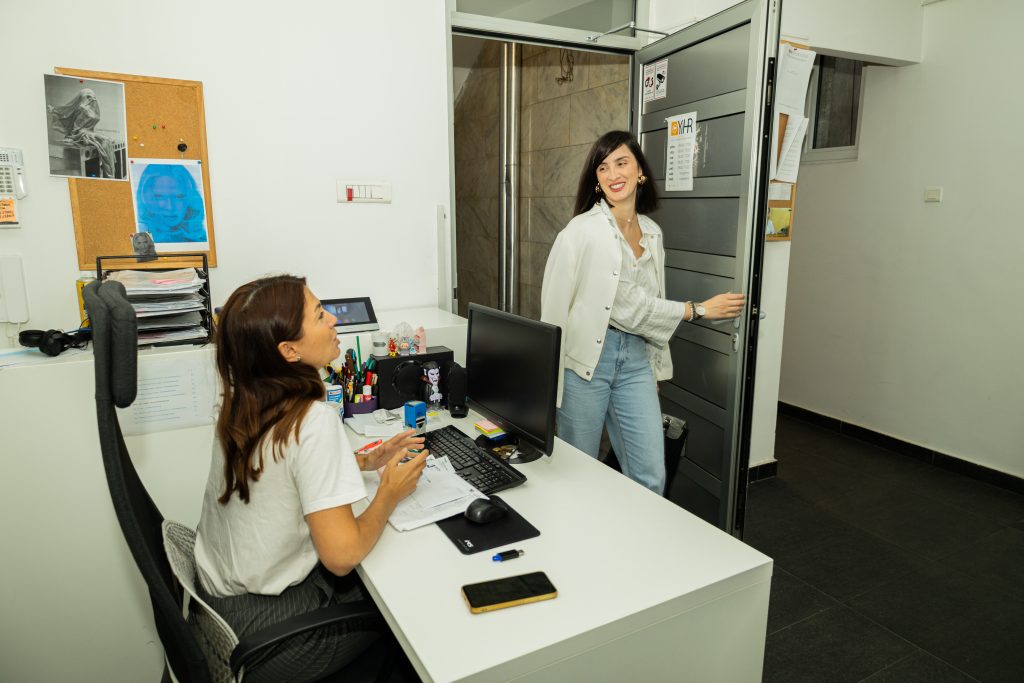
After graduating from Law school, Sofija came across a campaign by the Youth Initiative for Human Rights. Her first reaction was scepticism.
“I realised — these are “foreign-funded agents”- an NGO!” she remembers. “So, I decided to go to their meeting, and I get prepared. I was going to ask them a lot of questions, because they certainly weren’t going to fool me that easily.”
A decade later, she is the director of that very organisation. The questions she brought to that first meeting became part of a much longer conversation. Today, her work helps young people across the region examine the past, challenge inherited assumptions and get to know one another. Connecting young people from Serbia and Kosovo is a particularly important part of that effort.
Getting to know a place — and the people
With support of the European Union, the Youth Initiative enables young people from Serbia and Kosovo to undertake internships in Belgrade and Pristina. The EU is currently the organisation’s largest donor, helping sustain opportunities for cooperation that Sofija says are increasingly difficult to maintain.
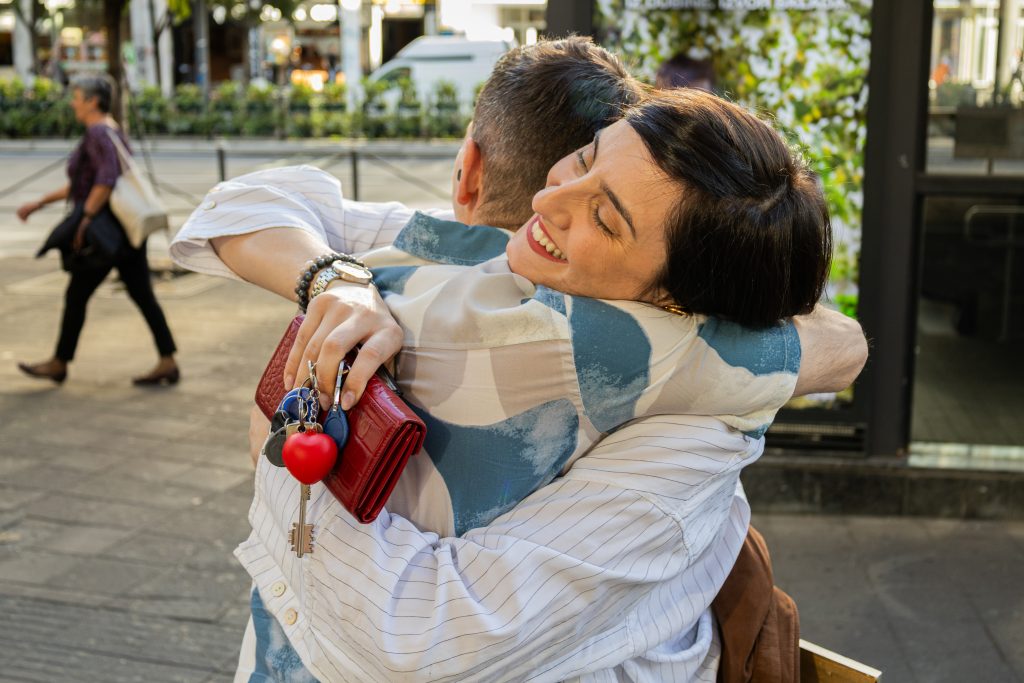
The internships offer valuable professional experience. But participants often tell her that their deepest impression is spending time in a city they had never known. “Simply experiencing life in Belgrade or Pristina, spending time in an environment that had previously been completely unfamiliar to them, is actually the most valuable part of the entire experience.” says Sofija
There is no instant transformation. Some participants arrive feeling anxious; some are initially afraid to explore the city alone, says Sofija. In her office, there are questions, long discussions and time to become comfortable.
Gradually, unfamiliar surroundings become places where they know people. Stereotypes begin to give way to personal experiences, new connections and friendships. “Young people from Serbia always come back having learned lots of Albanian, and young people from Kosovo return having learned lots of Serbian,” she says.
Difficult experiences also become part of the conversation. When participants encounter problems or prejudice, Sofija sees an opportunity to understand what needs to change.
A reason to keep talking
Sofija worries that fear and division leave young people with fewer opportunities to hear and understand one another. She believes leaders have a responsibility to encourage cooperation and coexistence, and to recognise the suffering of others.
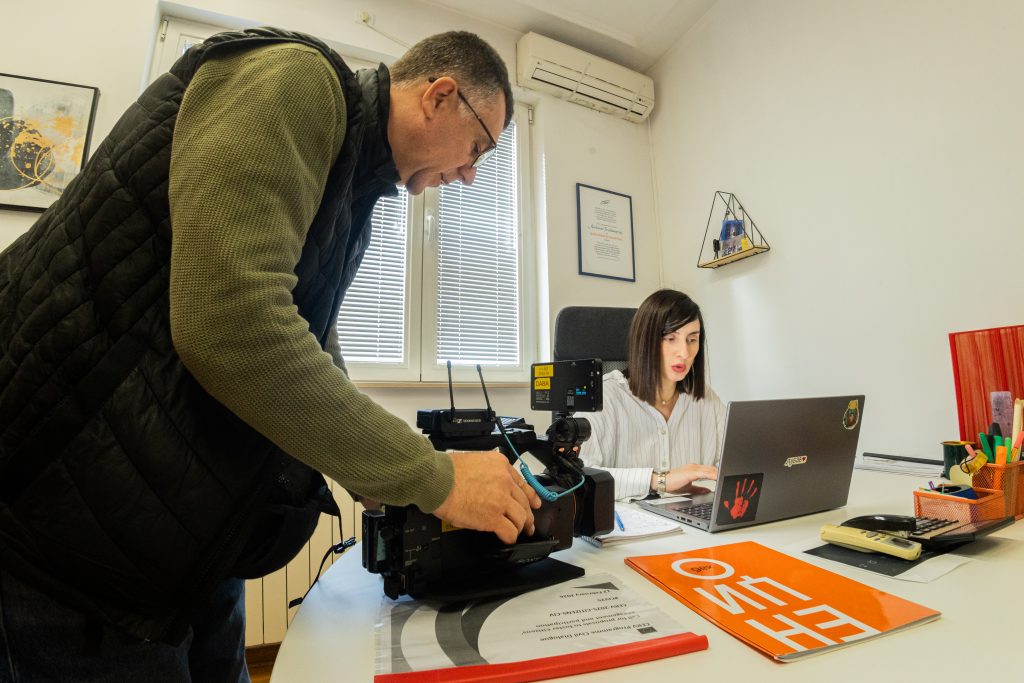
Still, she finds reasons to continue with the young people who come through the organisation’s programmes: their curiosity, their willingness to listen and their growing ability to question the narratives around them. “I believe these conversations must take place, even when they are difficult,” she says. “I think the worst thing that could happen is for us to stop talking to each other.”
When Sofija leaves the office, those conversations continue elsewhere. The questions that accompany her morning coffee remain part of her day — along with the conviction that someone should always have the space to ask them.


