
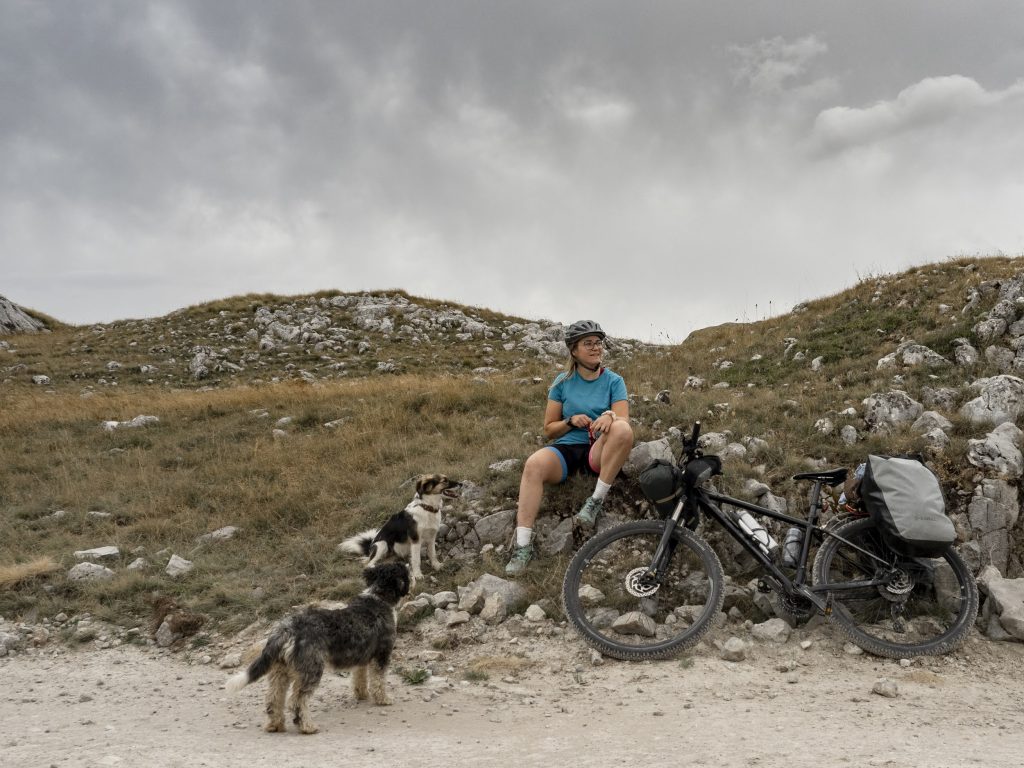
What if your next trip through the Western Balkans started with a bicycle?Across the region, cycling routes are giving travellers a different way to explore. Two of them show just how different that adventure can be.
One takes you deep into the mountains between Dibër in Albania and Mavrovo-Rostuše in North Macedonia. The other can take you much, much further, along the Trans Dinarica, connecting destinations across the Western Balkans.
You choose how far you want to ride.
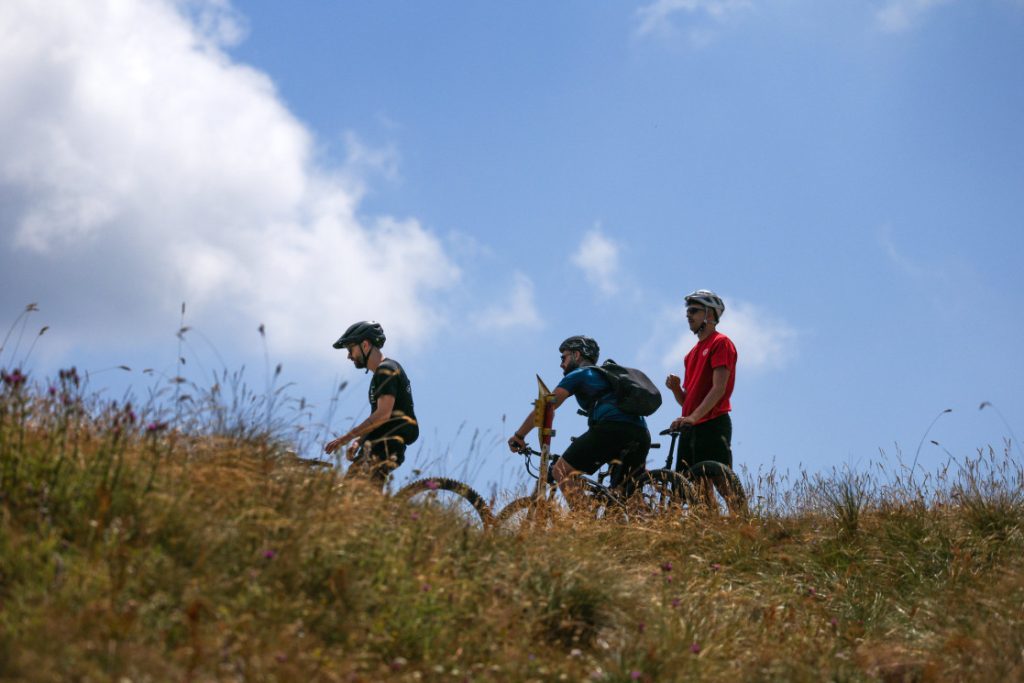
Start with 40 kilometres between Dibër and Mavrovo-Rostuše
High above Dibër, paths that have been used for generations climb from villages towards mountain pastures.
They were not created for tourists. Many grew from everyday life in the mountains, shaped over time by people and livestock moving between villages and summer pastures.
Today, some of those paths have another use.
Through the EU-supported Cross-border Biking: Next Level Adventure Tourism in Mavrovo-Rostuše and Dibër project, 40 kilometres of mountain-biking trails were developed across the cross-border area, with 20 kilometres in Albania and 20 kilometres in North Macedonia. The work included digital maps, markings, 20 signposts and 40 information boards.
On the Albanian side, the trails take riders through places including Rabdishtë, Ilnicë, Melan, Pejç, Hotesh, Arapi i Epërm and Katundi i Ri.
This is where the ride becomes more than exercise.
You pass stone houses and small villages. Pine forests give way to open mountain pastures. At higher elevations, the view stretches across the surrounding peaks while the path continues beneath your wheels.
And then comes the downhill.
Some sections offer uninterrupted descents of six to seven kilometres. For more experienced mountain bikers, individual routes can be even more demanding. The Zimur-Shimçan-Staravec-Peshkopi trail, for example, begins at around 1,780 metres and descends towards Peshkopi.
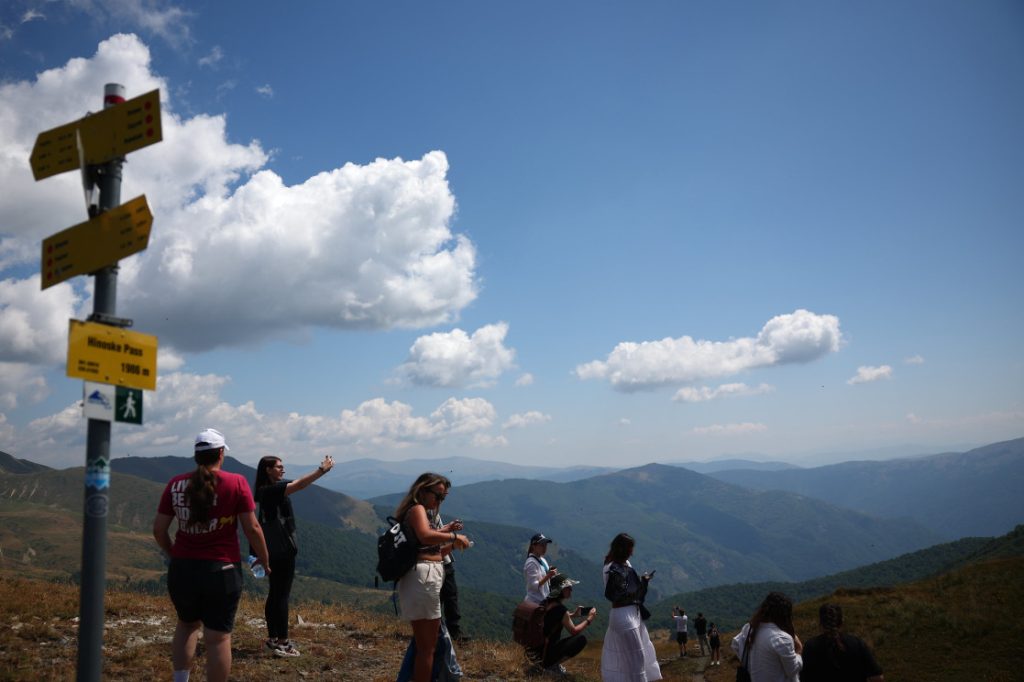
Planning a ride in Dibër and Mavrovo-Rostuše
You do not need to attempt all 40 kilometres.
The cross-border project created a network of routes, so visitors can choose individual trails depending on their time and experience. The Visit Dibër website provides a mountain-biking map with route information and QR codes, while the project also produced a dedicated visitor guide.
For some of the higher trailheads, access can be more difficult and local guiding or suitable transport may be needed. That makes planning ahead particularly useful if this is your first visit.
And because these are mountain routes, conditions matter. The area reaches close to 2,000 metres in places and is covered by snow for part of the year, so checking weather and local trail conditions before setting out is essential.
If 40 kilometres makes you want to keep going, there is a much bigger ride waiting.
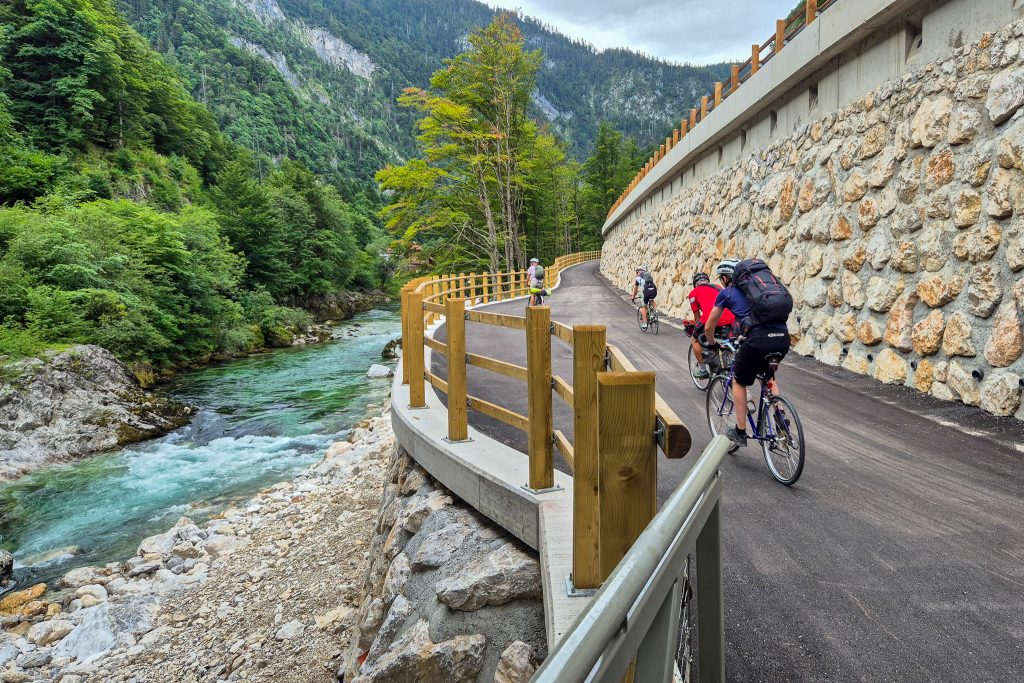
Now zoom out: the Trans Dinarica
Imagine continuing beyond one valley.
Then beyond one country.
And eventually building an entire holiday around travelling through the Western Balkans by bicycle.
That is the idea behind the Trans Dinarica.
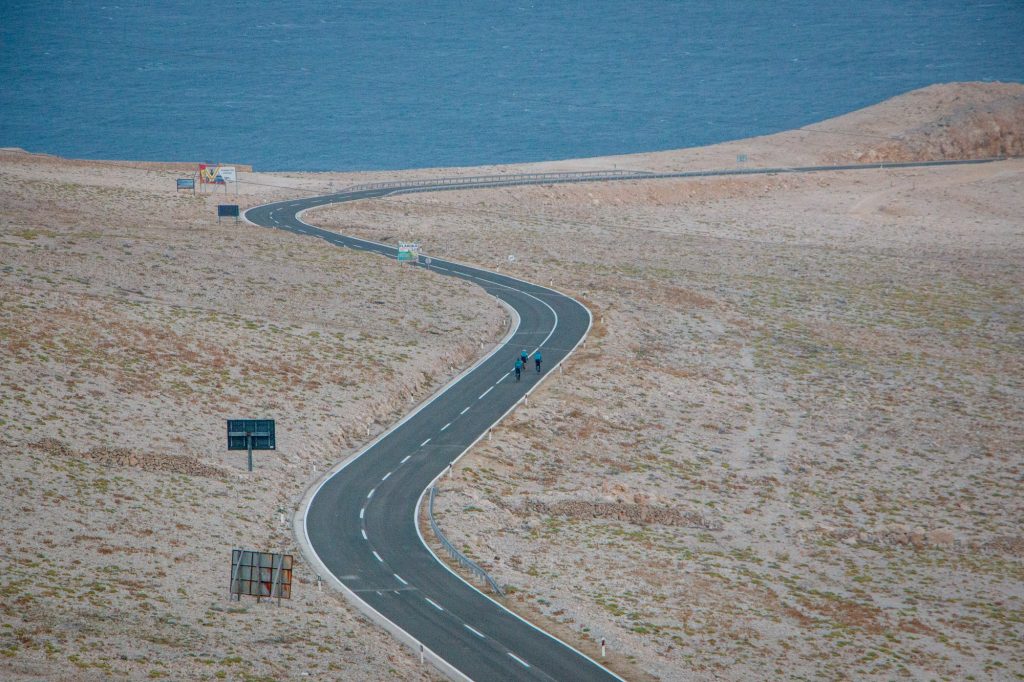
The route connects Slovenia, Croatia, Bosnia and Herzegovina, Montenegro, Albania, Kosovo, North Macedonia and Serbia, taking cyclists towards national parks, UNESCO sites, mountain communities and places that often sit far beyond the region’s usual tourist itineraries.
It is not a single bike lane running uninterrupted across the Balkans. It combines quiet roads, gravel, forest tracks and other cycling connections.
And you certainly do not have to ride all of it.
The current Trans Dinarica network includes roughly 5,500 kilometres across around 100 main, secondary and connector stages. This means you can use it for a few days, spend a week exploring one country, combine several countries, or make it the long-distance cycling trip you have been saving for.
The official site already suggests shorter and longer itineraries, including multi-country options.
One circuit, for example, links Bosnia and Herzegovina, Montenegro, Kosovo and Serbia over 23 stages and approximately 1,092 kilometres. Another nine-stage itinerary loops through Montenegro and Albania, including Lake Skadar, the Albanian Alps and Theth.
So the real question is not whether you can cycle the whole Trans Dinarica.
It is: which part do you want to discover first?
A route that is still growing
The Trans Dinarica already exists for cyclists, but work around it continues.
Through TRANSDINARICA2, co-funded by the European Union through the Interreg Danube Region Programme, partners are working to make the route more useful for the communities and businesses cyclists encounter along the way.
The project includes partners from Slovenia, Croatia, Bosnia and Herzegovina, Montenegro and Serbia. Its work includes developing support hubs, improving links between tourism providers, introducing quality standards and connecting the Trans Dinarica with the established Alpe Adria cycling route.
In May 2026, new connections between the Alpe Adria and Trans Dinarica routes were already made available, creating possibilities for cyclists arriving from Austria and Italy to continue towards the Western Balkans.
That also means a cycling holiday can do more than bring a visitor through a beautiful landscape.
A night in a family-run guesthouse, dinner in a village restaurant, a bike repair, a local guide or simply coffee at the next stop can put tourism income directly into the places the route passes through.
Thinking about riding it?
There is one thing to know before putting the bike on the car and heading for the mountains.
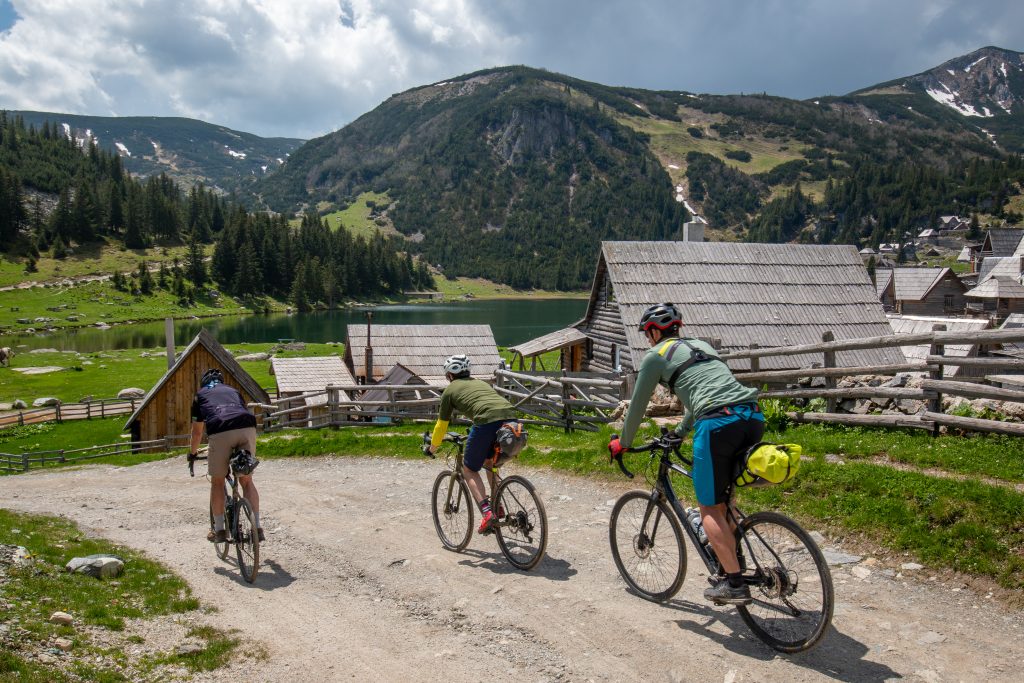
Unlike the Dibër-Mavrovo/Rostuše trails, Trans Dinarica is not physically signposted along the entire route. Navigation is digital. The official website provides free overview maps and individual stage information, while more detailed GPS navigation packs include tracks, elevation profiles, surface information, accommodation, restaurants, bicycle services, water points and other useful stops.
A gravel, touring or mountain bike is a good starting point. The route is a mixture of paved and unpaved surfaces, so a pure road-racing bike is not the most practical choice. E-bikes can also be used.
Most importantly, choose the trip that matches you.
Maybe that is one afternoon above Peshkopi.
Maybe it is a weekend around Mavrovo.
Maybe it is several stages through Durmitor, Konjic or Zlatibor.
Or maybe 40 kilometres eventually become hundreds.
Because once you begin seeing the Western Balkans at bicycle speed, borders start to feel less like the end of one journey and more like the beginning of the next one.
So, how far would YOU ride?


