
A plastic bottle dropped beside a river in one country may not stay there for long.
Rain can carry it into the water. The current can take it downstream, past towns and villages and eventually across a national border. From there, it can continue into another river, another country and, eventually, the sea.
Rivers connect us. Pollution travels with them. That is why tackling plastic waste cannot stop at a border either.
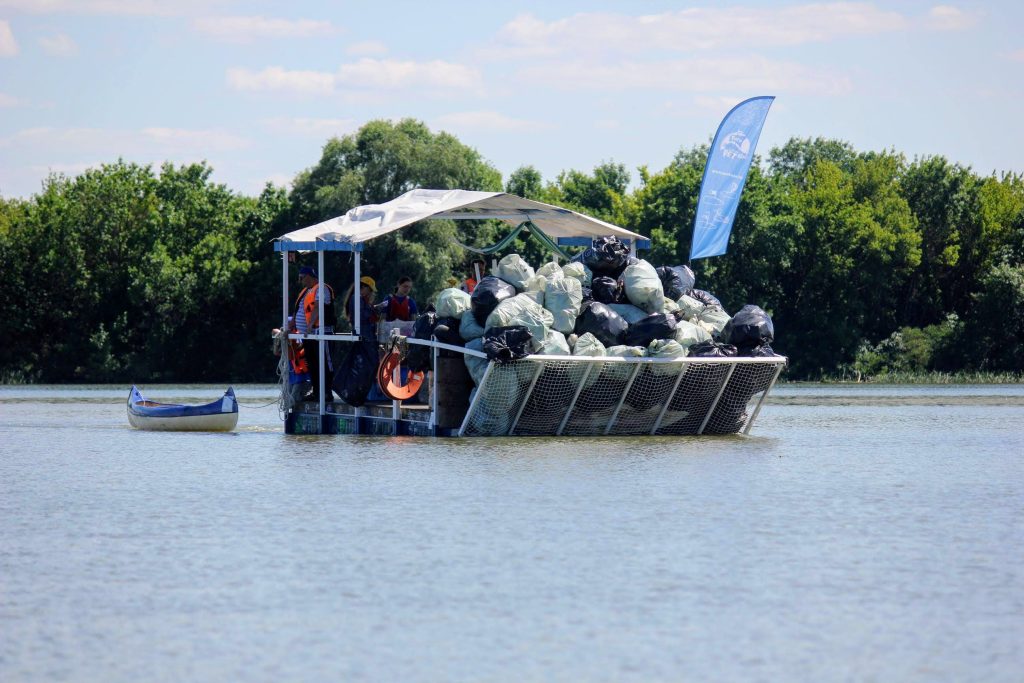
Through AQUATIC PLASTIC, co-funded by the European Union through the Interreg Danube Region Programme, 33 organisations from 10 countries worked together on 19 pilot actions and 8 solutions to prevent, detect and manage plastic pollution. In six international clean-up pilots alone, 246 people removed 8.7 tonnes of riverine waste in Bosnia and Herzegovina, Slovakia, Bulgaria, Serbia, Montenegro and Romania. The project also brought stakeholders together through 10 national roundtables to develop common policy recommendations.
“Rivers know no borders, their protection cannot be a national issue alone,” said Gergely Hankó, Executive Director of the Hungarian Association of Environmental Enterprises.
One river, more than one country
The Ćehotina shows why cooperation matters. The river flows through northern Montenegro before crossing into Bosnia and Herzegovina. Plastic entering the water near Pljevlja does not become someone else’s problem at the border. It simply keeps moving downstream.
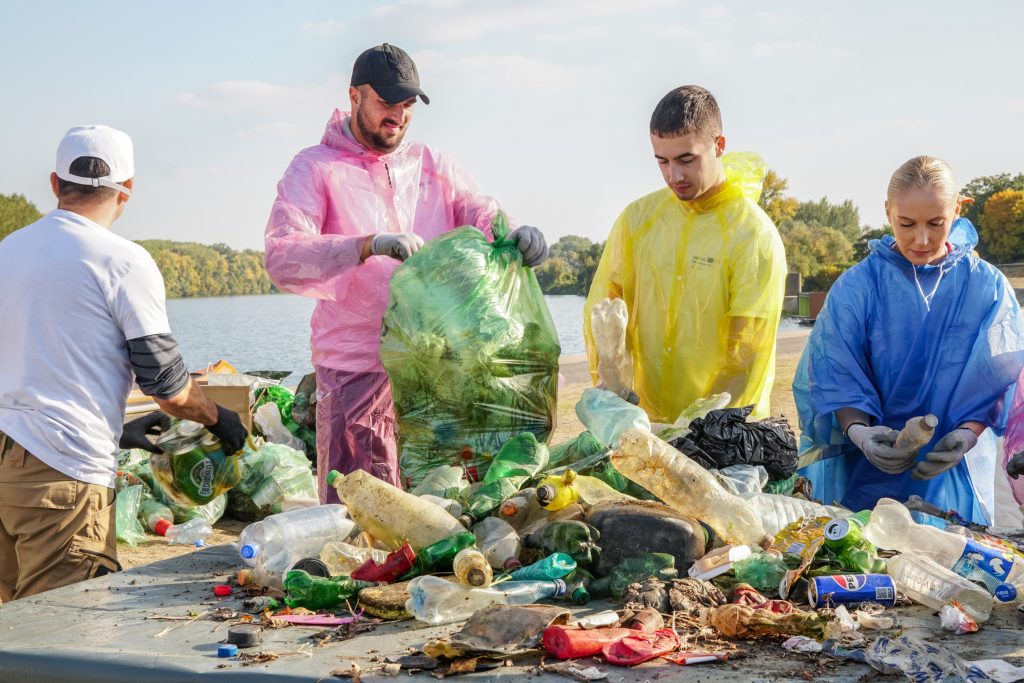
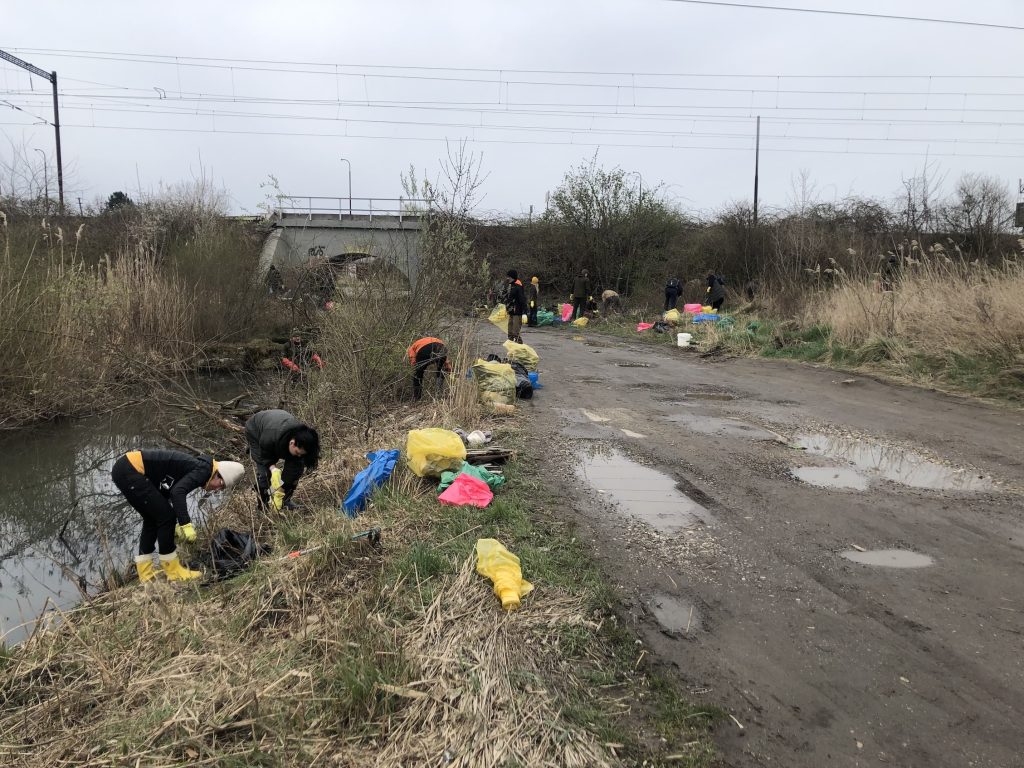
In March 2026, Montenegro’s Ministry of Ecology, Sustainable Development and Northern Development organised an AQUATIC PLASTIC clean-up along the Ćehotina near Pljevlja. Local authorities, the municipal utility company and pupils from Ristan Pavlović Primary School joined the action. The project also provided a five-cubic-metre waste container, 30 waste bins, equipment for the local utility company and waste-sorting sets for the school.
In Stolac, Bosnia and Herzegovina, another local action showed how quickly waste can move from a riverbank into a wider river system.
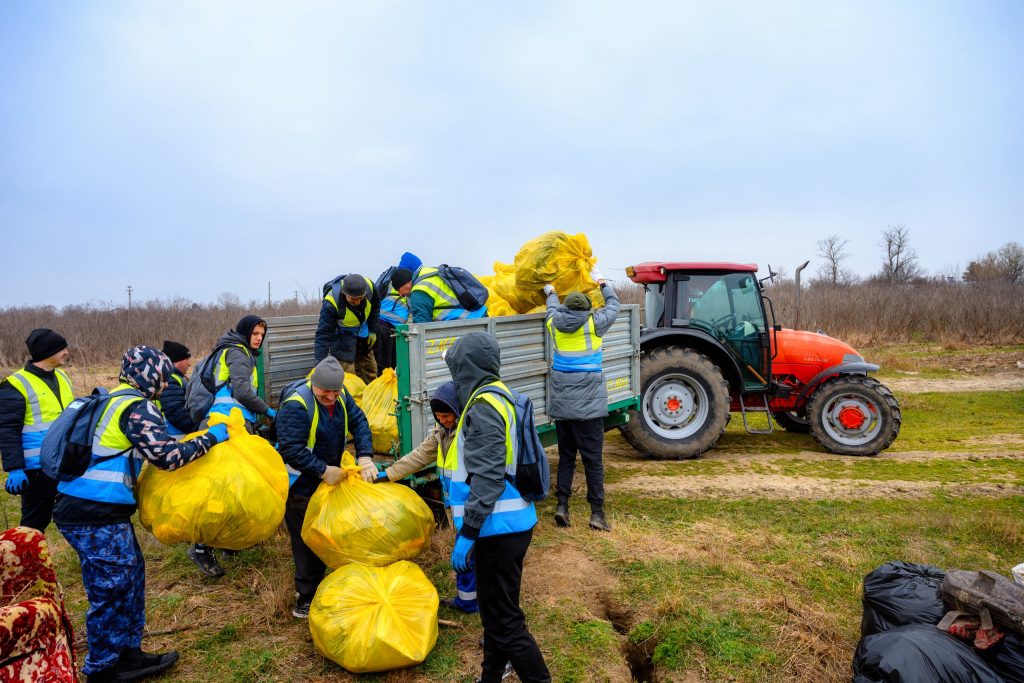
Along 1,200 square metres of the Radimlja riverbank, just 300 metres before it meets the Bregava, volunteers removed 2,580 kilograms of waste. That included 520 kilograms of plastic packaging and PET bottles.
The location matters because the Radimlja is a seasonal karst river. Waste left there during dry periods can be swept downstream when water levels rise and eventually reach larger water bodies and the Adriatic Sea.
“This pilot project demonstrates the impact of direct community involvement,” said one participant in the Stolac clean-up.
Finding plastic before it travels further
AQUATIC PLASTIC was not only about collecting waste after it reached a riverbank.
Researchers tested satellite imagery and machine learning to identify plastic deposits on rivers and floodplains and track floating waste movement. The project also developed a toolkit and Decision Support System to help assess solutions for detecting, collecting and preventing riverine litter.
Another tool, the Aquatic Plastic Assessment Index, was designed to measure pollution pressure and how prepared hydropower plants are to intercept waste. Twenty-three hydropower plants participated in testing, with 21 reporting waste accumulation.
Microplastic measurements were also carried out in six countries. Because monitoring methods differ across the Danube region, researchers developed an open-access database framework and worked towards a minimum harmonised approach so results can be compared more effectively across borders.
From local action to regional cooperation
The project connected ministries, universities, NGOs, companies, water authorities and local communities. Partners shared methods, tested technology and brought experience from riverbanks into policy discussions.
For organisations in the Western Balkans, that cooperation also built local capacity. Montenegro’s Centre for Ecotoxicological Research used the project to investigate microplastic pollution in Montenegrin rivers, acquire laboratory equipment and connect with experts from across the region.
The lesson running through AQUATIC PLASTIC is straightforward.
A river can begin in one country, cross another and carry its water through several more. Plastic follows the same route.
Cleaning one riverbank helps. Monitoring one hotspot helps. But neither is enough on its own.
That is why EU-supported cooperation matters: countries can share data, test solutions together, learn from each other and act before pollution travels further downstream.
Because once plastic enters a river, there is no border checkpoint waiting for it.


