
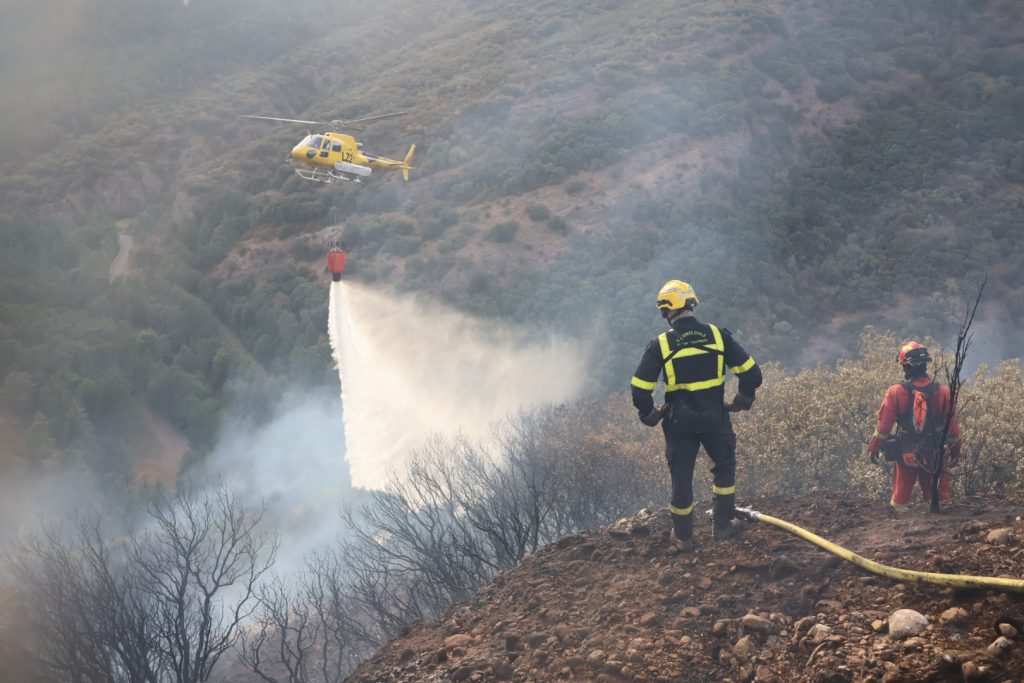
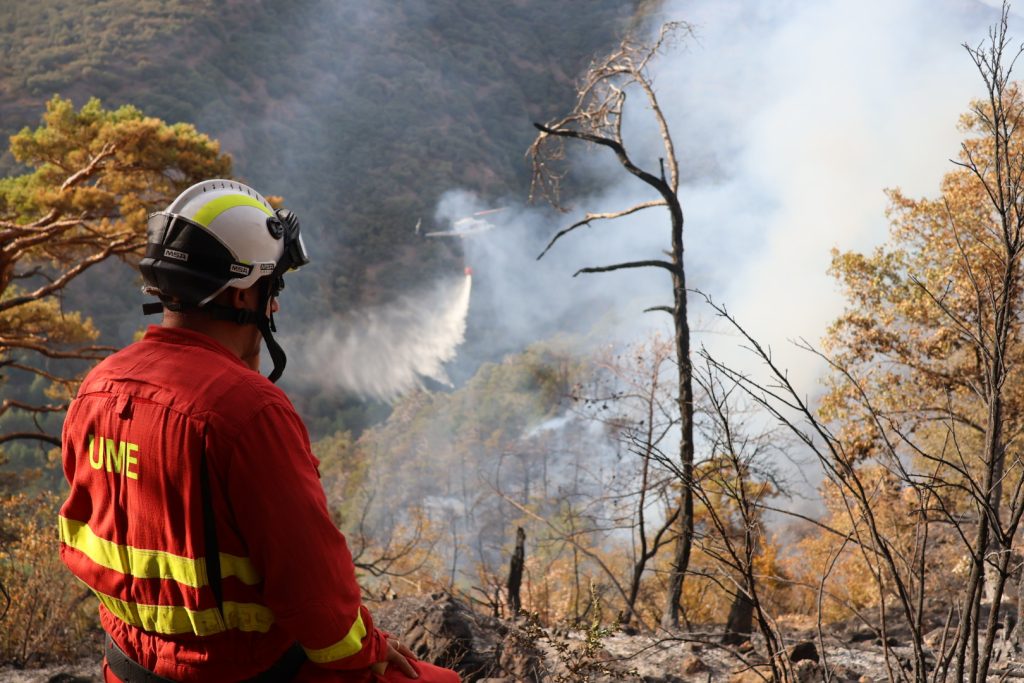
Since the beginning of summer 2026, 1,891 wildfires have been recorded across the European Union, burning 623,470 hectares of land. Spain, Portugal, Italy, Greece and Croatia have been among the worst affected, while Serbia also requested assistance from the European Union towards the end of August and activated the EU Civil Protection Mechanism (EUCPM). Through the Mechanism, countries around the world can call on rapid assistance and a much wider pool of firefighters, aircraft and other emergency response capacities. The Mechanism also assists countries that are not EU members, with teams from partner countries outside the EU also contributing to emergency response efforts.
“Since the beginning of the 2026 wildfire season, the Mechanism has been activated eight times at the request of seven countries in Europe: the Netherlands, Czechia, Portugal, France (twice), Spain and Greece, and once outside Europe, in Tunisia. Any country in the world can request assistance through the Mechanism. The Emergency Response Coordination Centre (ERCC) then coordinates offers from EU Member States and Participating States. Solidarity through the Mechanism does not stop at the EU’s borders. It brings together the 27 EU Member States and 10 Participating States in a single system: Albania, Bosnia and Herzegovina, Iceland, Moldova, Montenegro, North Macedonia, Norway, Serbia, Türkiye and Ukraine,” a European Commission spokesperson said.
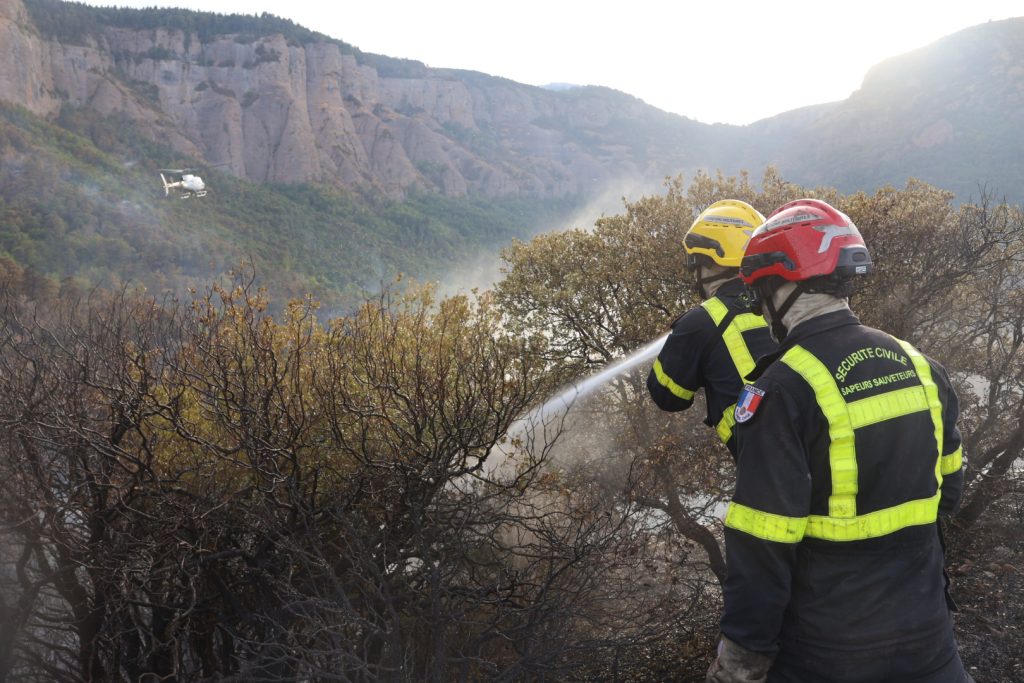
According to EUCPM data, by the end of July, the area affected by wildfires in Europe was already two and a half times higher than the usual level. It is estimated that no country could independently provide all the resources it might need to deal with every possible crisis, demonstrating the importance of civil protection cooperation across Europe and beyond. For example[VG1] , in July, firefighting teams from Ukraine, Türkiye and Serbia helped tackle wildfires in France; teams from Serbia and Türkiye assisted in Spain, while firefighters from Moldova were deployed to Greece. The Ukrainian team consisted of 70 firefighters and 15 vehicles, while the Serbian team comprised 27 firefighters and 15 vehicles. Türkiye provided two firefighting aircraft, while Serbia provided a helicopter.
“The European Commission’s Emergency Response Coordination Centre is at the heart of the system: it receives requests for assistance, coordinates offers from Member States and Participating States, and supports the deployment of the capacities made available. Participation is based on mutual solidarity: each Participating State can request assistance when it is needed, but can also make its own capacities available when it is able to do so. In 2025, for example, Albania, Montenegro and Bosnia and Herzegovina received assistance through the EUCPM,” the spokesperson explained, adding that the Commission co-finances the deployment of assistance through the Mechanism.
To help EU Member States and EUCPM Participating States prepare better for disasters, the Union Civil Protection Knowledge Network offers targeted training opportunities for civil protection stakeholders in all countries participating in the EUCPM.
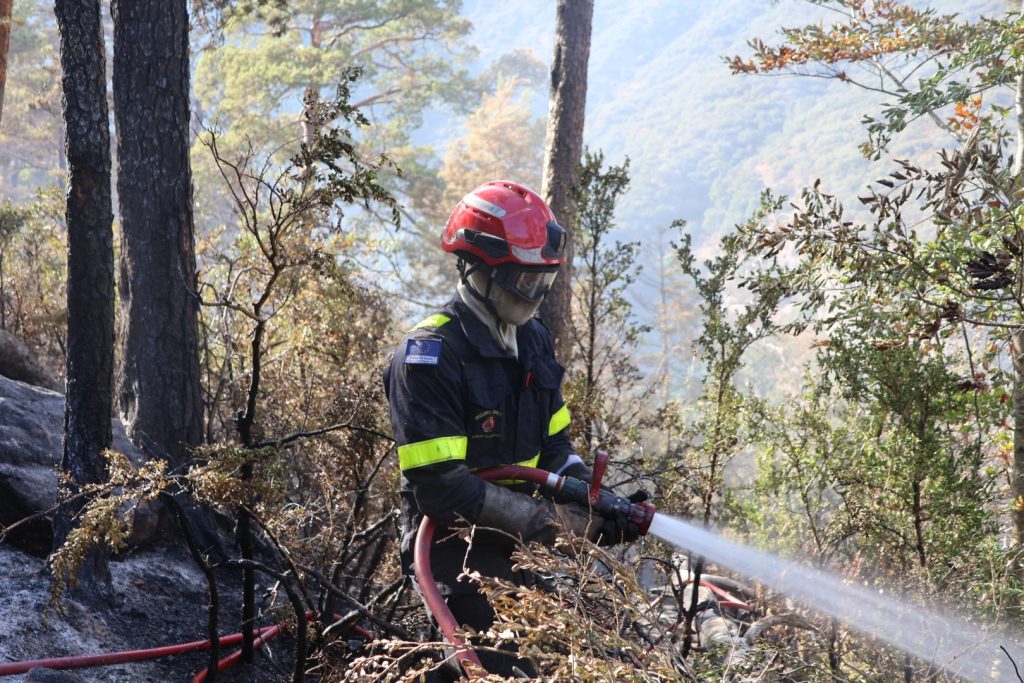
“The key point is that cooperation does not begin only when a wildfire breaks out. Through the EUCPM, the Commission helps countries train, exercise and prepare together throughout the year, using common procedures and coordination mechanisms. The ERCC also provides a coordination framework during actual emergencies, and this is precisely what enables a Ukrainian team in France, a Turkish aircraft or Moldovan firefighters in Greece to integrate quickly into national operations when every hour counts,” the European Commission spokesperson explained.
Through joint training, the EUCPM Training and Exercises Programme for civil protection and disaster management personnel strengthens the skills of experts in all EUCPM countries and improves the coordination, interoperability and complementarity of response capacities. The aim of the Programme is to complement national training programmes and improve preparedness, thereby also strengthening response capacity within joint EUCPM operations.
Prolonged heatwaves and, often, human negligence are major causes of large wildfires. Countries affected by wildfires can also request support for local firefighters through the provision of satellite imagery from the European Union’s Copernicus Earth observation and monitoring programme. Copernicus is a system that uses satellites, aircraft, sensors and other data sources to monitor what is happening on Earth. It provides emergency response teams with rapid information on wildfires, floods and other natural disasters, as well as air quality and the atmosphere, the state of the seas and ice, and other environmental conditions. This year too, Copernicus has been of great assistance to firefighters, particularly when dealing with fires in hard-to-reach areas.


