
The innovative action programme “Bauhaus Bites”, implemented in several European countries, is promoting food literacy and developing new urban food systems, envisioning a future in which food brings people and nature closer together and helps create healthier, happier communities.The project, supported by the European Union and the Horizon programme, is a response to the call “Harnessing the potential of the New European Bauhaus through the transformation of urban food systems”.
“The essence is to build the resilience of cities to crises such as climate change, develop food literacy, culture and knowledge about what we eat, where it comes from, what we can produce ourselves in cities and how we can waste less food. Today, children in cities often do not know where mushrooms or apples grow, or whether they could grow them themselves…”, the project team explains.
The project brings together EU Member States and a non-EU country: Birmingham (United Kingdom), Fundão (Portugal) and Zagreb (Croatia) are the „pioneer“ cities, which have already carried out activities in this field and have good solutions, while Murska Sobota (Slovenia), Oostende (Belgium), Palermo (Italy) and Sarajevo (Bosnia and Herzegovina) are „twinning“ cities that will receive mentoring from the “pioneers”. At the same time, both groups have valuable experience and expertise to share and opportunities to learn from one another.
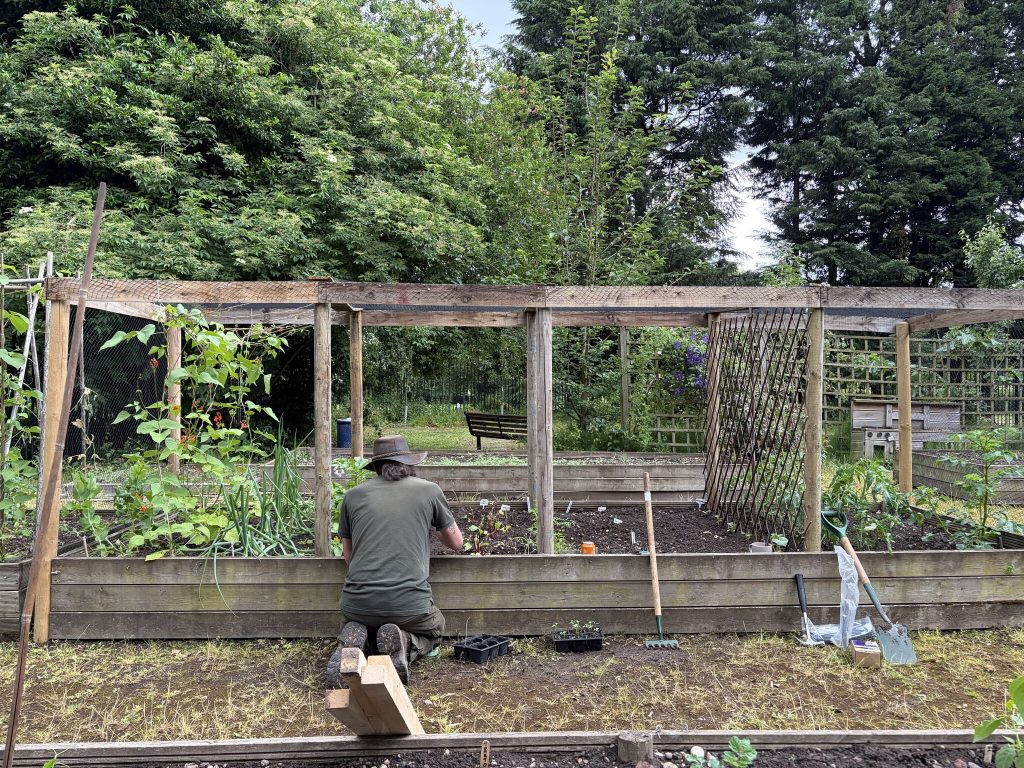
The aim is to empower residents and professionals to shape sustainable food environments in cities, recognise healthy choices, make them more accessible and use them; promote health and equity by addressing food-related health problems, particularly in low-income communities; and provide clear guidance to help other cities make better decisions about healthy and sustainable food.
“By the end of the project, in late 2027, 40 up-to-date guidelines, tools, stories and policy recommendations will have been collected and presented in the digital Bauhaus Bites Playbook*, while all the actions carried out during the project will be documented on the Bauhaus Bites e-marketplace and will serve as guidance and inspiration for other cities wishing to transform their urban food systems, as well as for all other interested stakeholders,” explains Nadira Berbić of the Norwegian University of Science and Technology, one of the project managers.
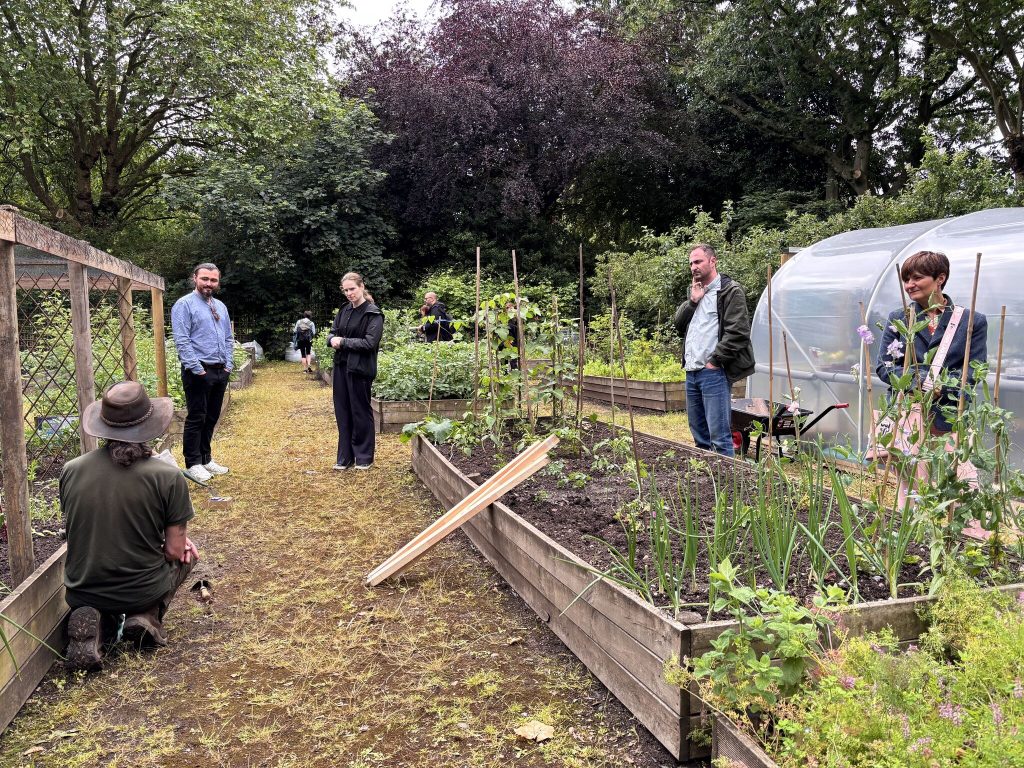
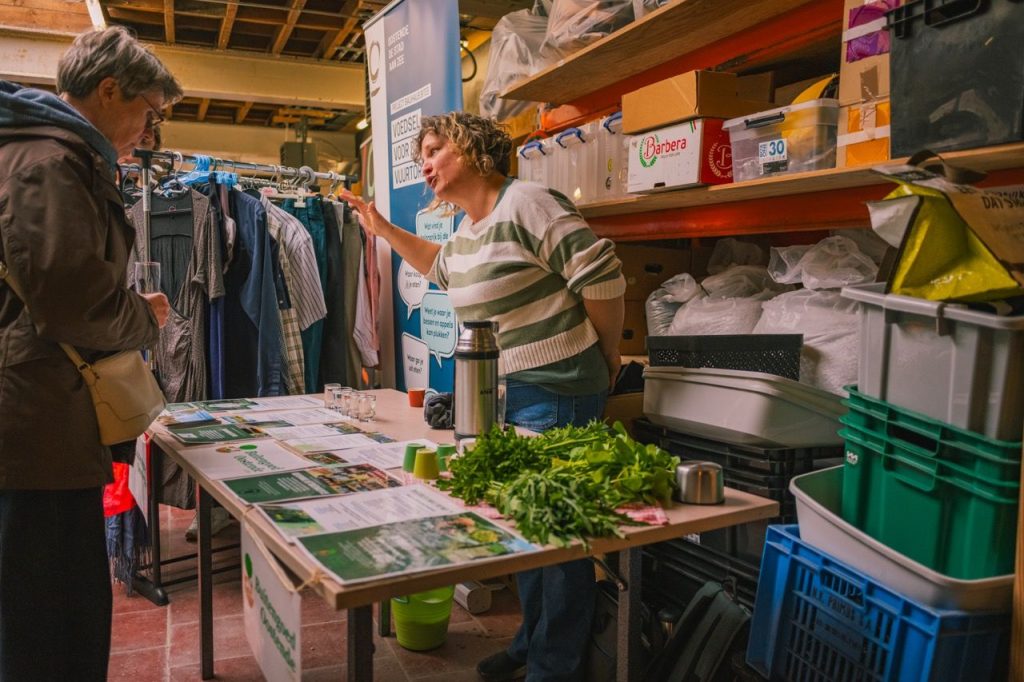
On the ground, the activities are particularly interesting. Birmingham is improving access to healthy food in the eastern part of the city by upgrading spaces intended for community and food-related activities, mapping food resources, promoting the cultivation of a variety of culturally relevant crops and developing food systems literacy. Fundão is transforming its municipal market and restaurants into Food Lab spaces, supporting food literacy and local producers. Zagreb is creating an inclusive therapeutic garden in Sopot, making urban gardening, nature and community activities more accessible to vulnerable groups. Murska Sobota is developing a locally adapted food environment and creating nature-based solutions and partnerships that support a healthier and more sustainable food system. Oostende is improving access to healthy food in the Lighthouse neighbourhood through food-environment mapping, community kitchens, the development of food literacy and green spaces where edible plants are grown. Palermo is involving young people in developing food literacy, participatory food mapping, sustainable cooking and growing food at home, connecting urban consumers with local and rural producers. Sarajevo is bringing together “food forests”, school activities, food literacy and intergenerational learning to create a more inclusive and resilient urban food system.
For example, Birmingham is exploring ways of turning around 150 tonnes of food waste into thousands of healthy meals for people in need. In Sarajevo, a food forest will be established in a park in the city centre, functioning as a living classroom for learning about sustainable food systems, urban ecology and healthy lifestyles, as well as a venue for cultural and creative activities. In Palermo, among other activities, a Sustainable Kitchens Laboratory for young people will be developed, exploring food seasonality, local sourcing, waste reduction and ethical communication through collaborative learning and methods that can be applied in community kitchens.
“Bauhaus Bites involves 20 urban and peri-urban communities that will apply the experience developed through the project. More than 1,000 people from vulnerable groups will have access to healthy and environmentally friendly food. The project will result in seven positively transformed food environments,” Berbić explains.
The EU is funding this project through Horizon Europe under the Food, Bioeconomy, Natural Resources, Agriculture and Environment programme area. Participants in the activities stress that this initiative, which brings together cities with different geographical characteristics, sizes, demographic challenges and levels of social readiness, would not be possible without EU support.
Bauhaus Bites brings together, for the first time, on the one hand, key perspectives from European and global strategies such as Farm to Fork, FOOD 2030, Planetary Health Diet and sustainable diets, and, on the other, the values of the New European Bauhaus – beautiful, sustainable and inclusive – together with the principles of participation, co-creation and transdisciplinarity. At the same time, it operates in a way that has not previously been applied in projects aimed at transforming food systems.


