Energy
What are the challenges?
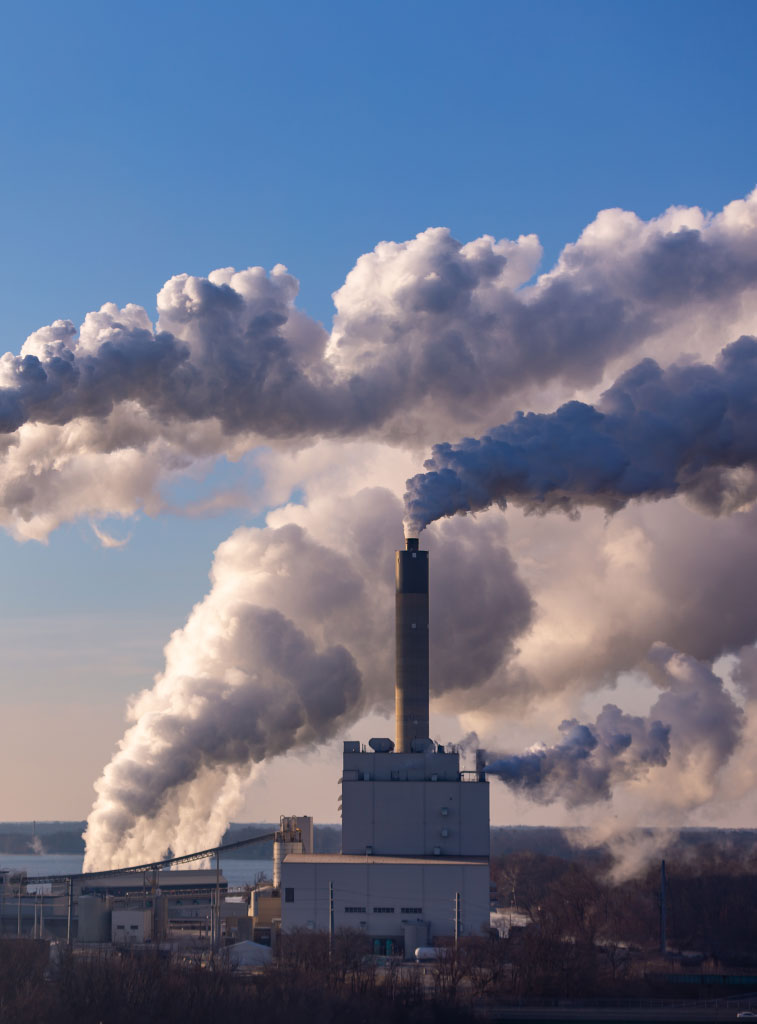
In the Western Balkans, coal provides around 70% of the region’s electricity. Albania, with strongly developed hydropower, is a notable exception. As coal emits significant levels of pollutants, air quality across the region is some of the worst in Europe.
- This has a direct impact on the environment and people’s health, causing many premature deaths and other chronic illnesses.
- Limited domestic resources also increase the dependence of the region for gas supply from countries such as Russia.
- Much of the region’s energy infrastructure is outdated and cross-border energy trade limited. Despite commitments to facilitate energy trade and improve interconnections, the market remains highly fragmented.
Aggregating generation and demand over larger trading regions will make it easier to tap into large-scale renewable energy potential. This will also help to ensure a secure energy supply region-wide.
How is EU responding?
The EU has been supporting a more connected and cleaner energy market in the Western Balkans for many years. Between 2015 and 2020, the EU provided €1 billion in grants to energy and transport projects channelled through the Western Balkans Investment Framework (WBIF).
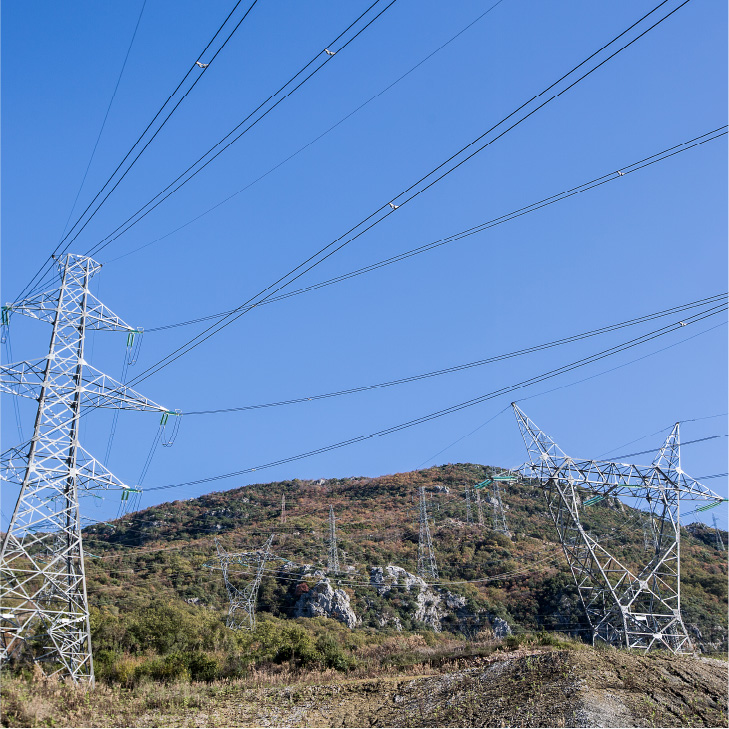
This brought tangible results – over 650 km of gas pipelines connecting the region with neighbouring EU countries, modernised district heating networks, upgraded electricity transmission lines, and much more.
As part of WBIF, the Regional Energy Efficiency Programme supports SMEs, municipalities, households and citizens in reducing energy consumption, while contributing to regional economic growth. The Green for Growth Fund helps businesses and households mitigate climate change by reducing energy consumption, resource use and CO2 emissions.
The EU also supports regulatory and policy reforms to bring the region closer to the EU internal energy market.
Electricity from renewables for over 200,000 households
+ 300,000 CO₂ equivalent tonnes per year avoided
Ongoing support
But there is still some way to go. That’s why reinforced support to clean energy and energy efficiency, while ensuring security of supply, is at the heart of the EU’s Economic and Investment Plan for the Western Balkans (EIP) and the flanking Green Agenda for the Western Balkans.
This foresees extensive investment for flagship projects in areas such as transport, energy, and the green and digital transitions, in line with the ambitions of the EU Green Deal.
Renewal energy
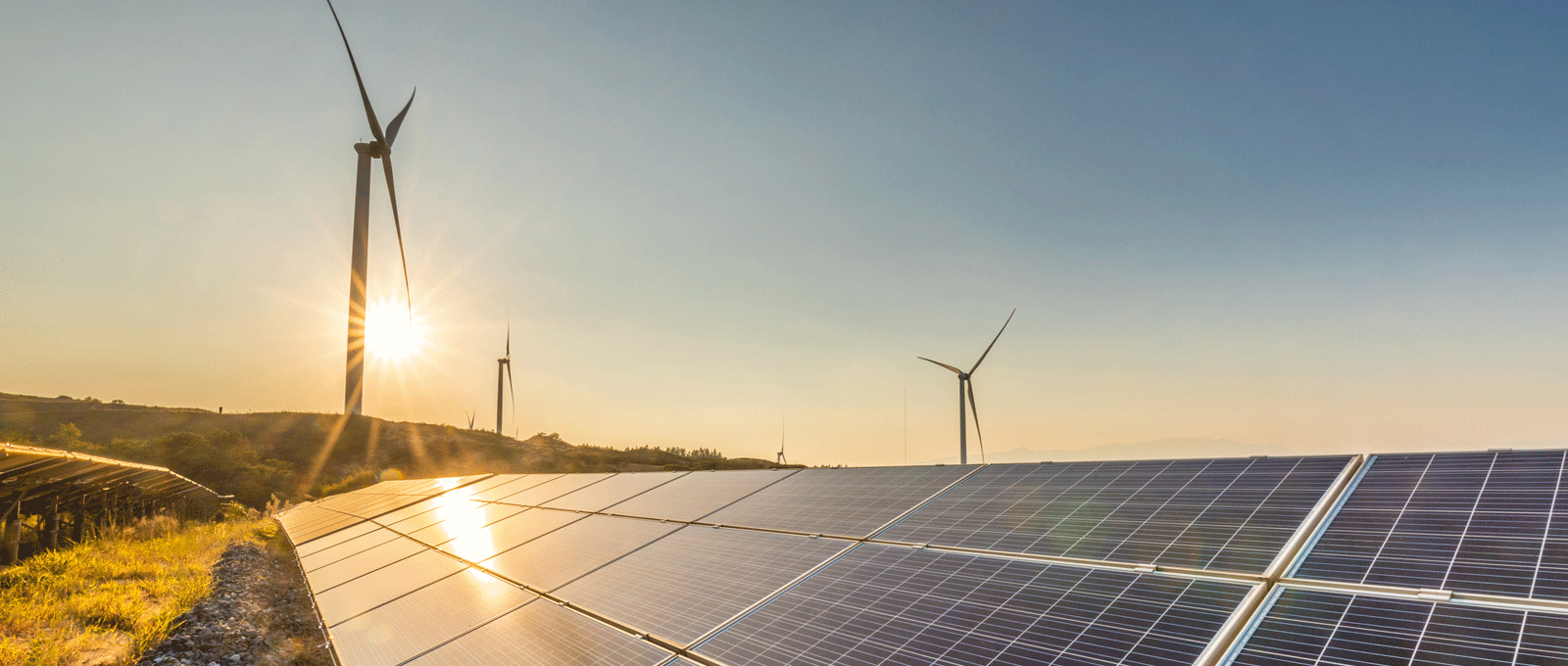
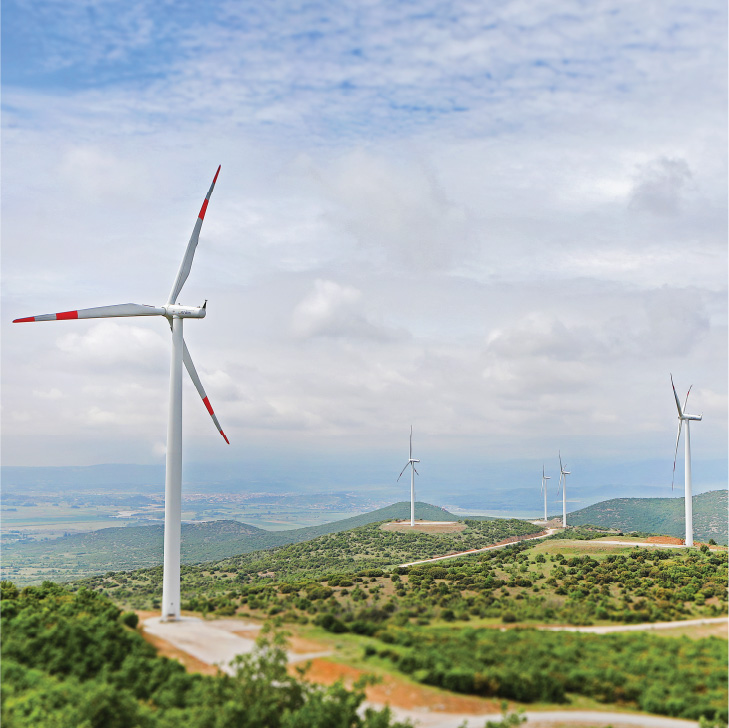
– Increasing the share of renewables such as hydro, solar and wind power in the energy mix. This will bring many benefits, not least in providing alternative sources to traditional coal, lowering emissions and reducing air pollution.