
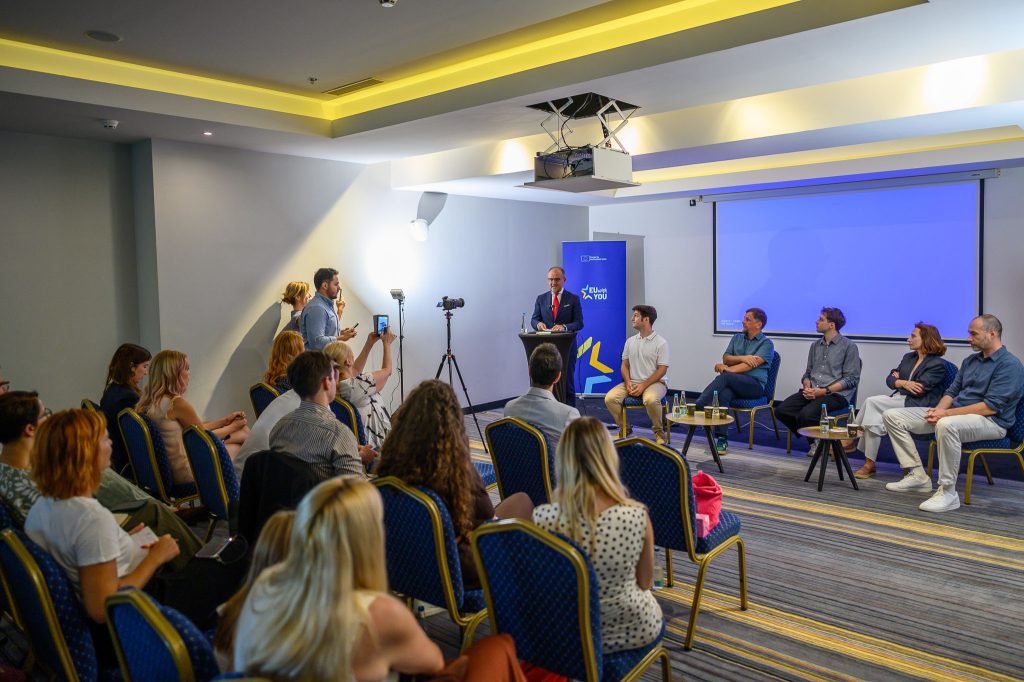
During the Sarajevo Film Festival, as part of the EU With YOU campaign, a panel titled “Culture that Connects – European Opportunities for the Creative Industries” was held in Sarajevo, focusing on how the EU and the Creative Europe programme can support the career development of young creatives. In Bosnia and Herzegovina alone, over the past four years, the programme has provided over EUR 7 million in support to more than 100 projects, including the Sarajevo Film Festival, the Bosnian National Theatre in Zenica, the Museum of Contemporary Art in Banja Luka, the Cultural Centre in Trebinje, and many others.
Culture knows no prejudice and no borders. That is why our programmes, such as Creative Europe, Erasmus+ and other support initiatives, are excellent tools that help with the integration process. Film and culture have a unique power to challenge assumptions, offer different perspectives and build real bridges across borders. There are exceptional filmmakers, musicians, artists and writers in this region, and I would say that creativity is its best ambassador,” said Luigi Soreca, Ambassador of the European Union to Bosnia and Herzegovina, at the opening of the panel. He stressed that he himself has always placed culture at the centre of his work, because culture is precisely the starting point for conveying the values of the European Union.
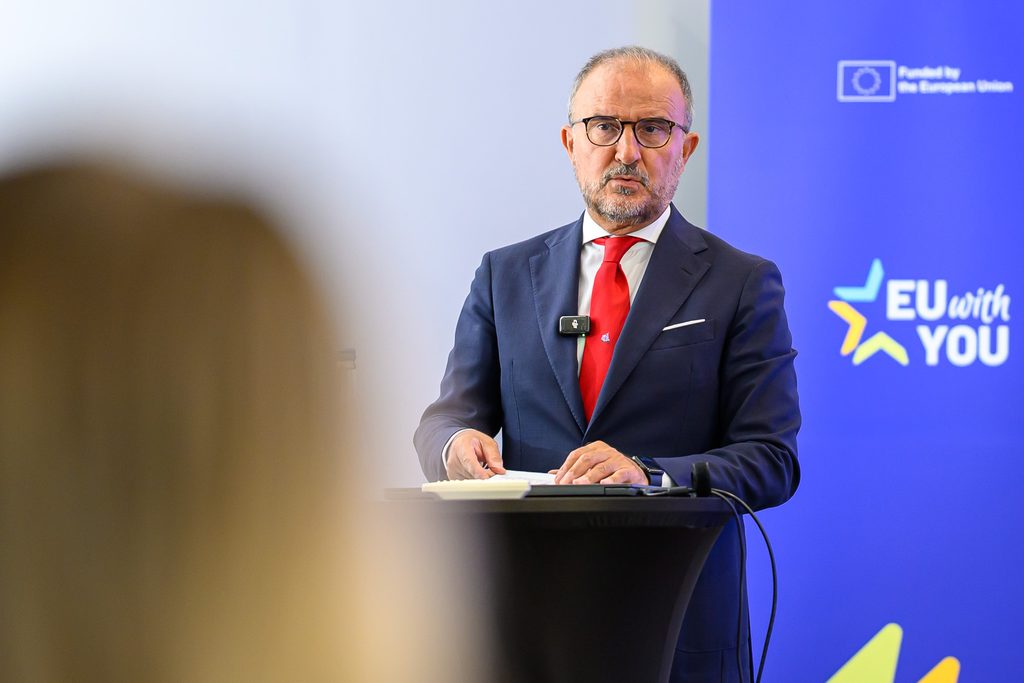
“The creative sector is extremely important for the whole region. It is a driver of economic development, creates skilled jobs and boosts the local economy. Therefore, by supporting culture, we are supporting a more connected Europe,” Soreca said.
The Sarajevo Film Festival (SFF) is one of the best examples of how Creative Europe supports the strengthening and growth of the industry, the development of talent and creativity, and the strengthening of European identity, culture and values. Creative Europe funding has been available to the cultural and creative sector in Bosnia and Herzegovina since 2014, and the EU supports the Sarajevo Film Festival through initiatives including Talents Sarajevo, CineLink Industry Days and Youth and Peacebuilding.
The panel, which brought together journalists, Young European Ambassadors and content creators from across the Western Balkans, participants could hear that, alongside major festivals such as those in Sarajevo and Pula, Creative Europe offers support programmes for writers, designers and actors, supports co-productions and the organisation of festivals, as well as young people at the beginning of their careers.
Moderated by Milan Inić, known as Yasserstain, one of the most influential digital creators in the Western Balkans, the panel featured Montenegrin director, screenwriter and producer Ivan Marinović; Serbian producer and founder of This and That Productions Snežana van Houwelingen; producer, founder of Realstage Productions and Head of CineLink Industry Days at the Sarajevo Film Festival Ishak Jalimam; and producer, founder of Vizart Film and former Head of the Creative Europe MEDIA Desk Bosnia and Herzegovina Zoran Galić.
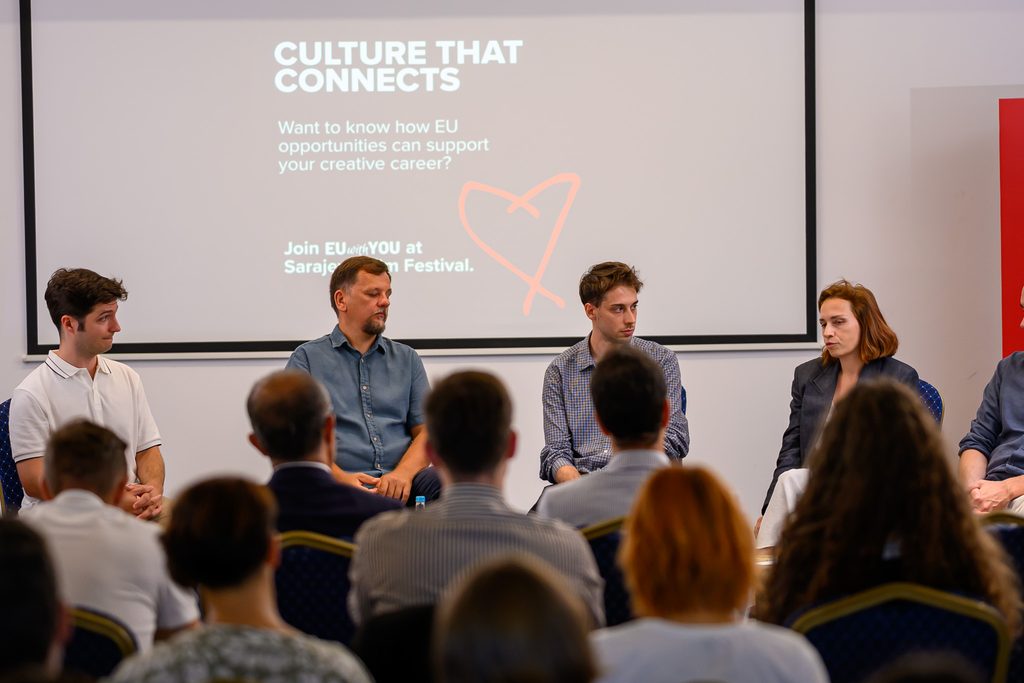
Speaking about his experiences both without and with support from the Creative Europe programme, Marinović explained that the difference is significant, something he knows from experience because he made films before Montenegro became a member of the Creative Europe programme.
“The development cycle for a film project takes a long time, years, and quality depends on having that time, because you can tell when something has been done in a hurry. This programme gives you the oxygen you need to survive that period. Without support, the risk is greater and everything is much more difficult. I made my first films when I was young and did not have a family or responsibilities, but that is how all debut filmmakers work – relying on youth and strength. After all, look at how much time passes between two films. For some, it is 14 years, which means that people do not work during the years when they are the most productive because they are raising the money,” Marinović said, stressing that films in the region are made out of tremendous love and that things are much easier with Creative Europe.
Houwelingen stressed that networking, the exchange of knowledge and experience, scholarships and participation in workshops are extremely important for the work of every creative professional.
“The EU is doing everything it can, but the problem lies with national funds. No one in the region has a healthy national system for supporting young creatives,” she said.
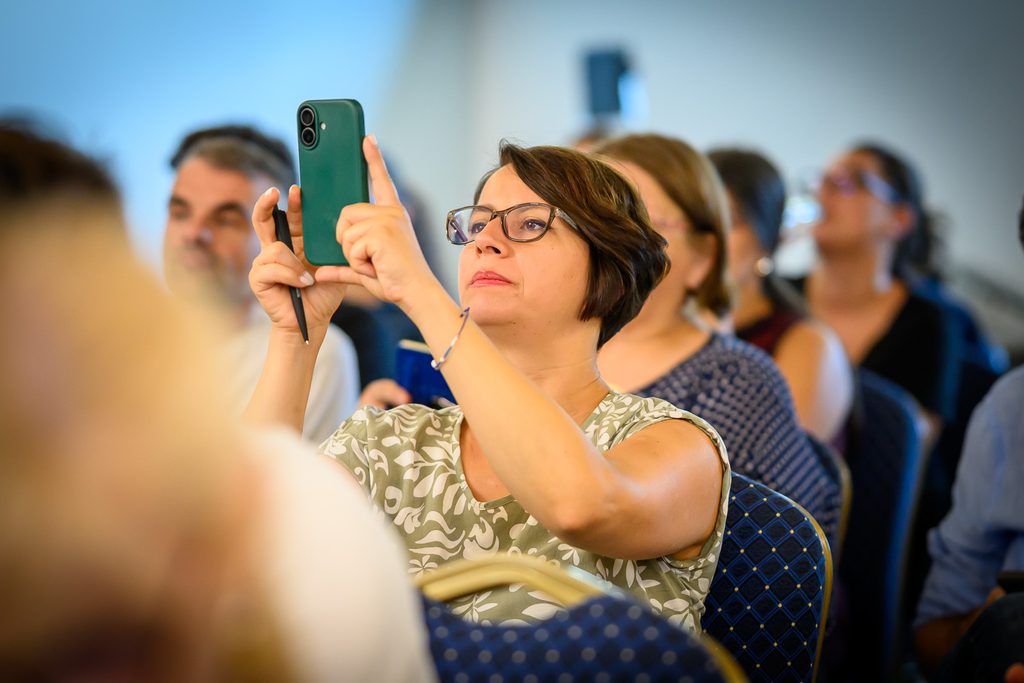
As the Young European Ambassadors were also interested in whether, and to what extent, artificial intelligence is being used in the film industry, they were told that it is a tool and that “no one and nothing can replace Steven Spielberg’s knowledge and his camera”, but that there are parts of the filmmaking process where AI has become indispensable.
“AI is a tool, but a great deal needs to be regulated from the perspective of copyright, and for creatives this is now the most important issue,” Houwelingen said.
Since 2014, Creative Europe has supported projects aimed at promoting cultural diversity, artistic expression, and the economic potential of the creative industries. Structured around three strands – Culture, MEDIA and Cross-sectoral – for the 2021–2027 period, the Creative Programme has a budget of €2.44 billion to support and promote European cultural and linguistic diversity, strengthen cultural cooperation and respond to the needs and challenges of the cultural and creative sectors. It also supports cooperation between cultural and creative sectors, innovative digital solutions, media literacy and actions that promote a pluralistic and resilient media environment.


