
Albania, Bosnia and Herzegovina, Kosovo, Montenegro, North Macedonia, Serbia
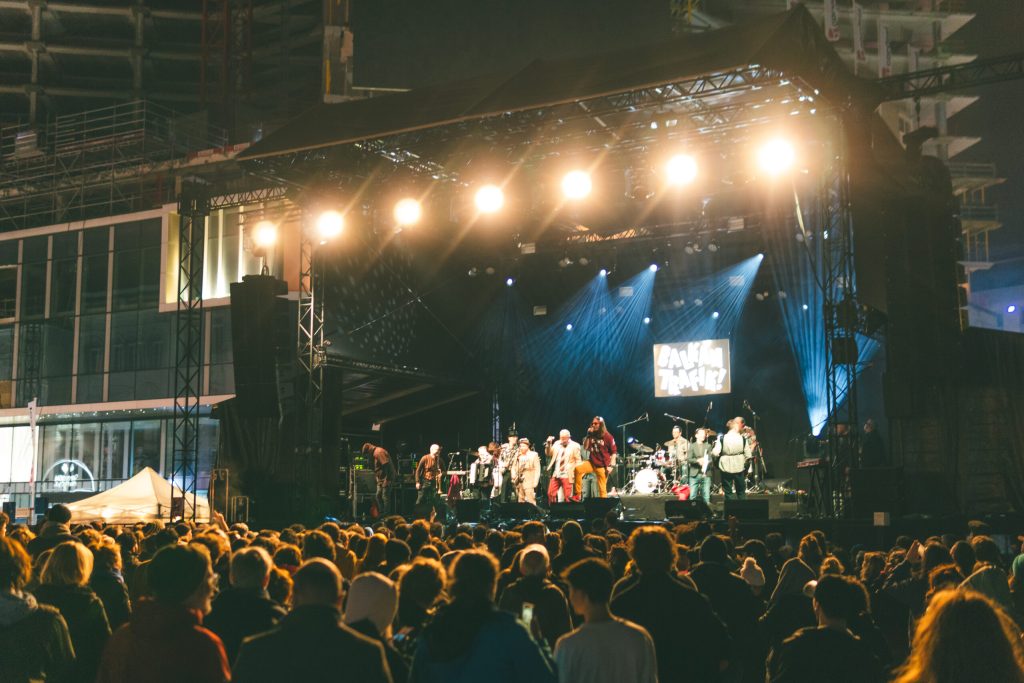
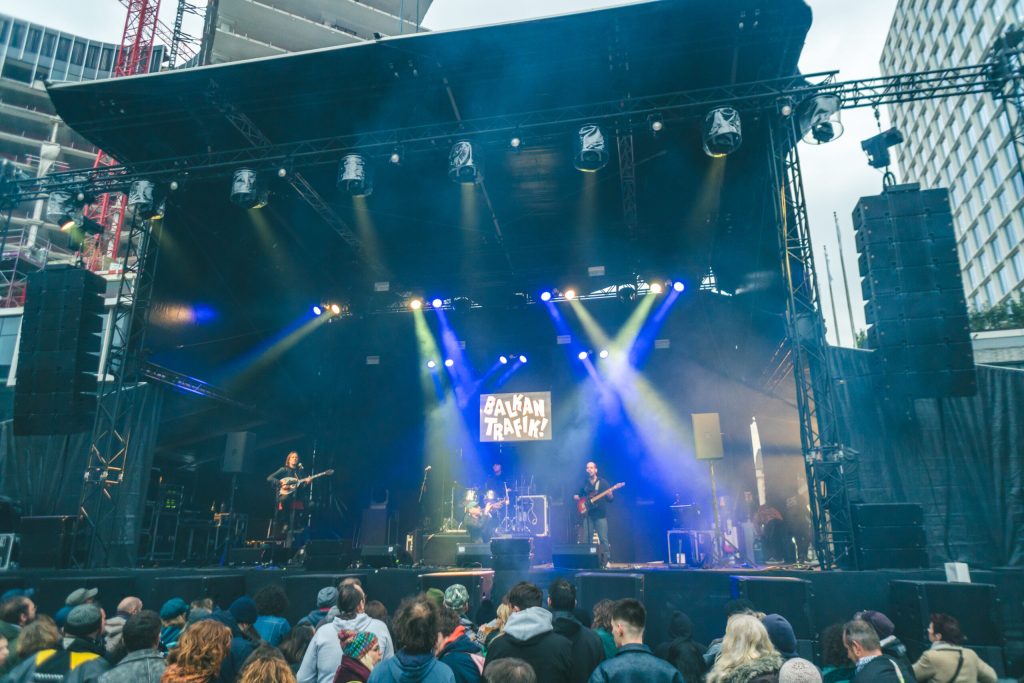
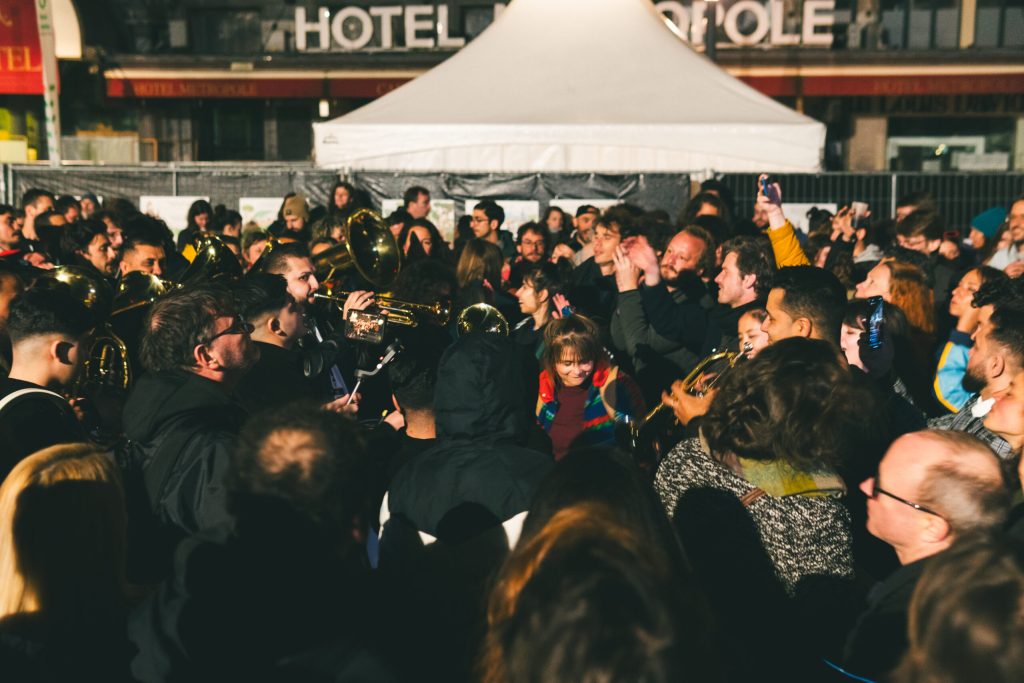
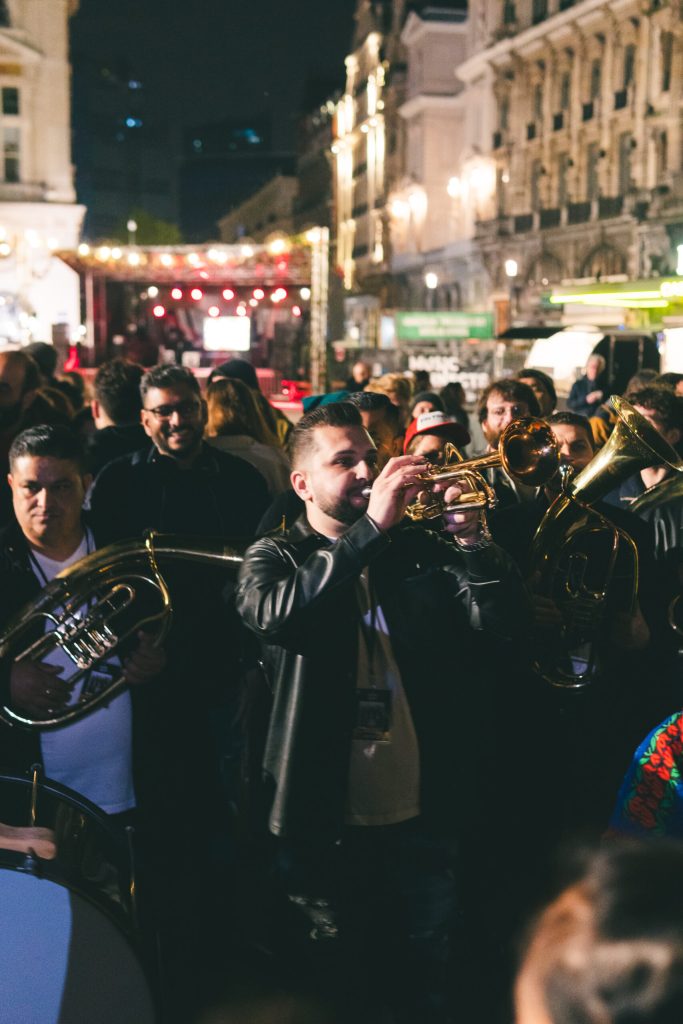
In the heart of Europe, Brussels has again played host to the vibrant Balkan Trafik Festival. This gathering is a celebration of Eastern European culture, supported by the European Union, which emphasises the importance of unity and diversity across the continent.
Now in its fourth year, the festival is a melting pot of musical talents. Balkan Trafik has become a cultural meeting point where the diverse threads of Balkan arts are woven into a rich tapestry. The festival is more than a celebration; it’s a significant expression of the European Union’s dedication to cultural diversity and unity. Supported by the EU, the festival highlights the role of Balkan heritage in the European cultural mosaic.
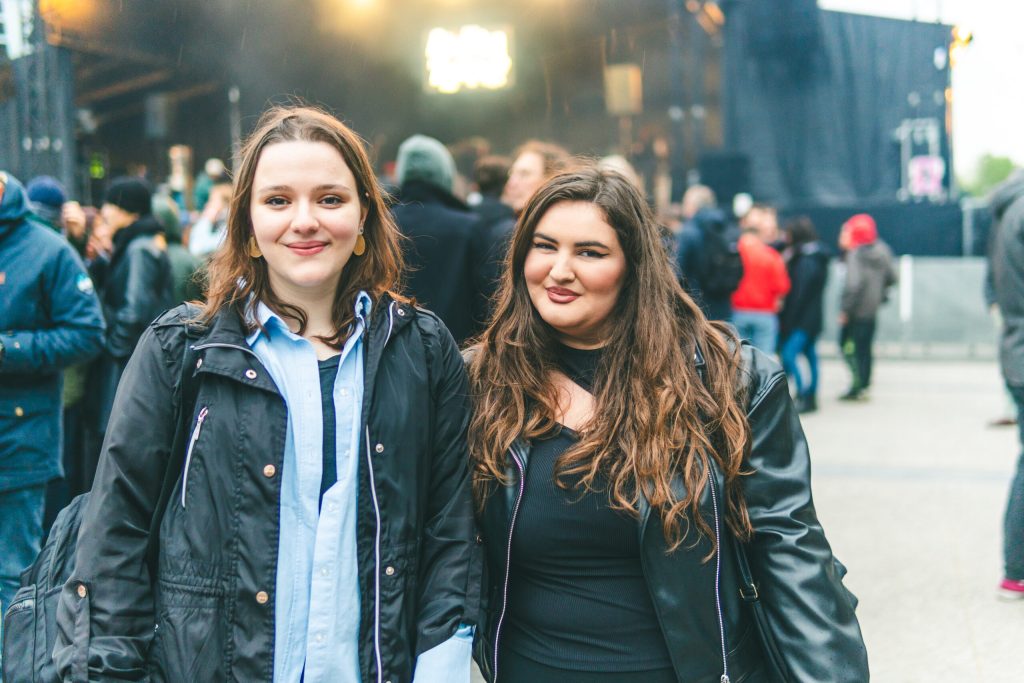
The festival was attended by Young European Ambassadors (YEAs) from the Western Balkans. This year they were also joined by YEAs from the East, namely Georgia, Moldova and Ukraine. Together they spoke with artists, reflecting questions important to audiences back home and in the EU. Their mission is not only to build bridges with the West, but also to raise awareness amongst their communities back home of what the EU values mean in practice.
“Balkan Trafik is more than a festival; it’s a bridge between the East and the heart of the European Union, celebrating the diversity and creative energy of the Balkans.”
As Europe’s political landscape evolves, Wieërs sees the festival as a key platform for integration and understanding, a celebration that enriches Brussels and spotlights the cultural dynamism of the Balkan region. He first became aware of the Western Balkans’ situation in 2002, just after the war had ended when he dined at a small restaurant in his neighbourhood established by an Albanian Kosovar who had fled the war in his country. Through this émigré’s eyes, he learned much about what was happening in a part of Europe that previously had been hidden behind an iron wall. This man was a sort of ambassador, Wieërs realised. “I recognised that we need to get to know our neighbours better, now that the old Cold War walls are down,” he reflected. The basic idea was to expand the knowledge of our people about what is happening beyond our borders. It’s a traffic of culture, not of something negative.


