


Albania, Serbia
New model of digital training is addressing the skills mismatch and youth unemployment
In the Western Balkans, unemployment rates among young people are some of the highest in Europe – varying from 28.3% in Albania to 55.4% in Kosovo (Eurostat 2018). Yet, on the other side of the equation, there remain many unfilled jobs. One solution lies in upskilling young people through training courses that focus on specific, in-demand skills required. This was the approach taken by Serbian youth organisation, ‘RES POLIS’ (Center for Youth and Social Development), specialised in developing non-formal education paths to empower young people.
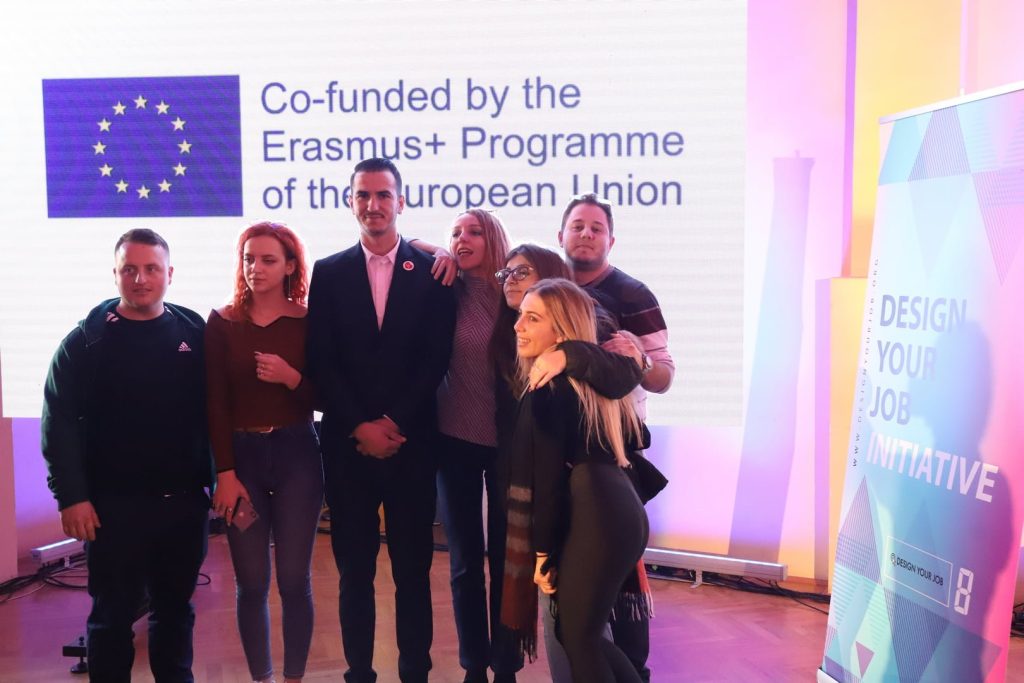
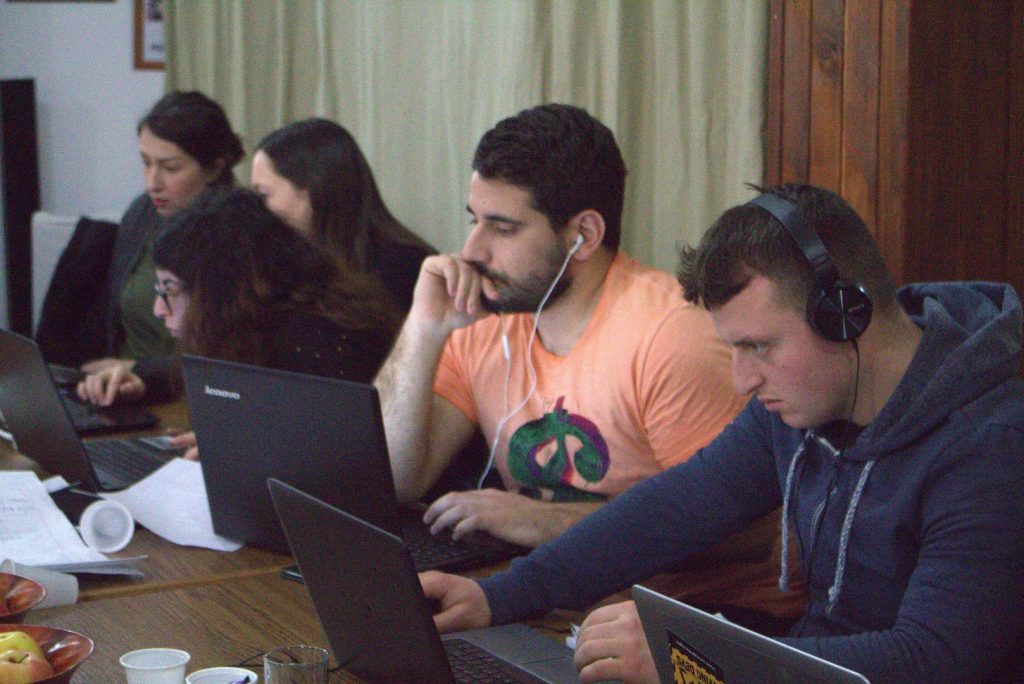
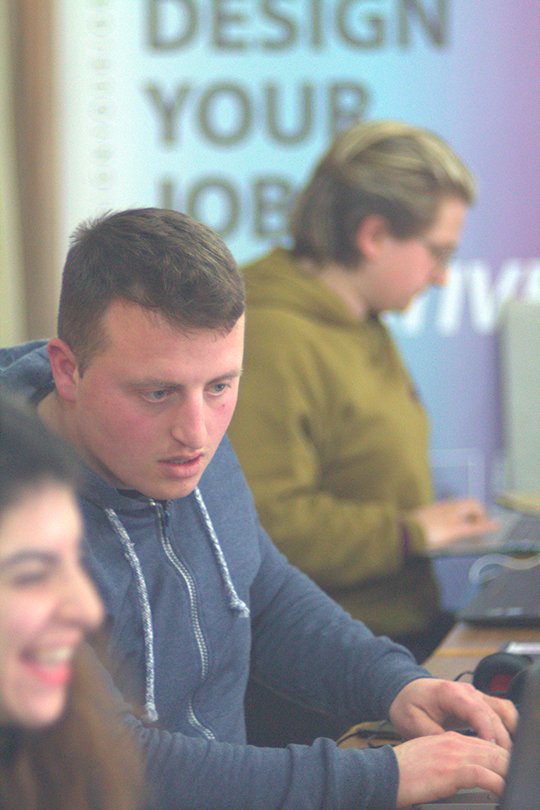
“We were witnessing a paradox in Serbia,” explains Boris Negeli of RES POLIS. “On the one hand, we had a high unemployment rate, but on the other, the IT sector had a critical deficit of skilled workers. For us, the solution was simple: the National Employment Service, responsible for the training of unemployed individuals, should also include ICT training within their education programmes.” This was the inspiration behind the ‘Design Your Job’, initiated by RES POLIS back in 2009. The goal was to develop and test ICT educational programmes in areas where there are talent shortages. Since then, ‘Design Your Job’ has grown from strength to strength. It is supported by the European Union’s ERASMUS+ programme, which promotes cooperation in education, training and youth work, including in the Western Balkans. The project includes partner organisations from France, Italy, Albania and Cyprus who all bring different expertise. As many countries across the Western Balkan region and beyond face similar challenges, this sharing of experience is vital. Training courses have been developed in fields as diverse as graphic design, web design, programming to 3-D modelling and basic game animation. Anyone between 18 and 30 years old is eligible, with young people from disadvantaged groups particularly encouraged to apply. To gain international experience, successful candidates carry out their training in one of the partner countries.


