Healthcare
Pandemics, climate change, and growing inequalities pose increasing threats to our health. As these challenges know no borders, transnational collaboration is needed to address them effectively.

Public spending on health relative to GDP in the Western Balkans is lower than the EU average. There are also challenges relating to health inequalities and access to healthcare.
To tackle these challenges and help the region align with EU standards in the field of healthcare, the EU is behind many policies and initiatives that aim to protect and improve people’s health.
What are the challenges?
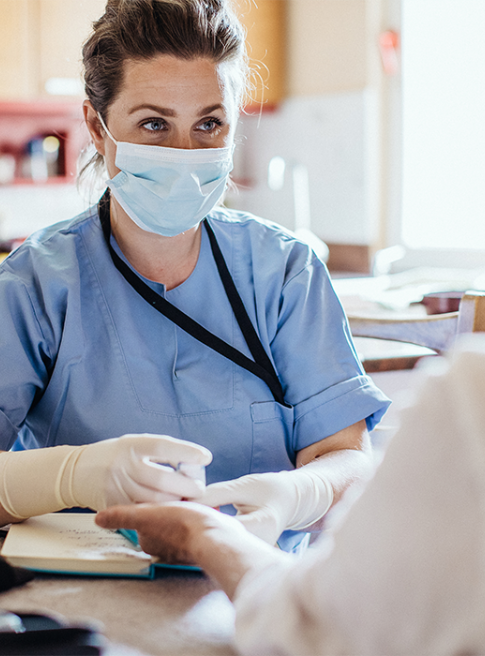
Despite progress in recent years, strong gaps in health care and outcomes between the EU and the Western Balkans persist. The COVID-19 pandemic has exacerbated pre-existing health, social and economic vulnerabilities and longstanding deficits in access and coverage. Challenges include:
- Public spending on health is low in several of the Western Balkans, including, in some cases, allocations to primary health care.
- Infant mortality, under-five mortality, and maternal mortality rates are generally considerably higher than those of the EU average, according to the World Health Organization.
- Pollution is a significant issue across the region which has some of the worst air quality in Europe. This has a direct impact on people’s health causing many premature deaths and chronic illnesses.
- In some parts of the region there are obstacles to the exercise of the right to health and to sexual and reproductive health services. And some forms of healthcare, while often guaranteed by law, are in practice less available for vulnerable groups, such as Roma.
- The region generally has a high level of alcohol and tobacco use, and alignment to EU legal obligations on tobacco use, including smoking in public, has been slow.
- Cancer screening and registries are often not systematic and/or comprehensive.
How is the EU responding?
The EU’s policies and actions on health aim to protect and improve the health of citizens, and modernise health infrastructure and health systems. Disease prevention and response are a major focus. EU health actions and legislation covers a myriad of issues from patients’ rights in cross-border healthcare to pharmaceuticals, cancer prevention to promoting healthy lifestyles, and much more.
As candidate countries and potential candidates for EU membership, the EU advises the Western Balkan partners on EU health policy and evaluates their progress towards EU standards and policies. Over many years, the EU has also provided substantial funding and investment to strengthen public health systems and to protect against health threats.
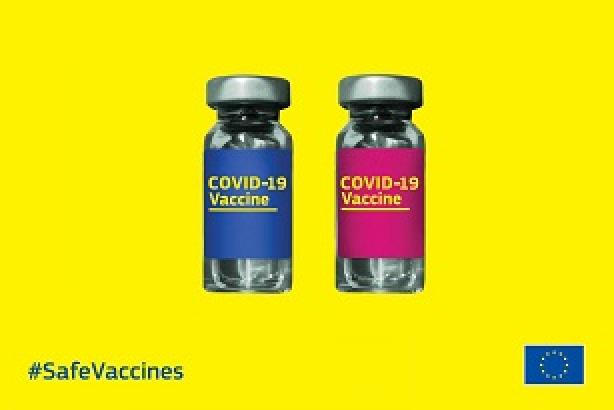
This has helped to equip hospitals, laboratories, ambulances as well as build and reconstruct hospitals, and establish cancer screening programmes. The EU has been instrumental in providing emergency assistance in the fight against COVID-19. The bloc mobilised over €3.3 billion with the European Investment Bank to help the region to tackle the pandemic and support recovery.
€3.3 billion in EU support to tackle the pandemic and support recovery
Healthcare and treatment facilities for 1.8 million people through the WBIF 2009-2021
Ongoing support
Modernising health systems
Regional cooperation
Implementing the EU ‘acquis’
FEATURED PROJECTS
Mitigating impact of COVID-19 on children and families
Strengthening resilient health systems in the Western Balkans