Art and culture
The EU and the Western Balkans share deep cultural ties. The EU provides many opportunities for artists and creative industries to collaborate and reach new audiences.
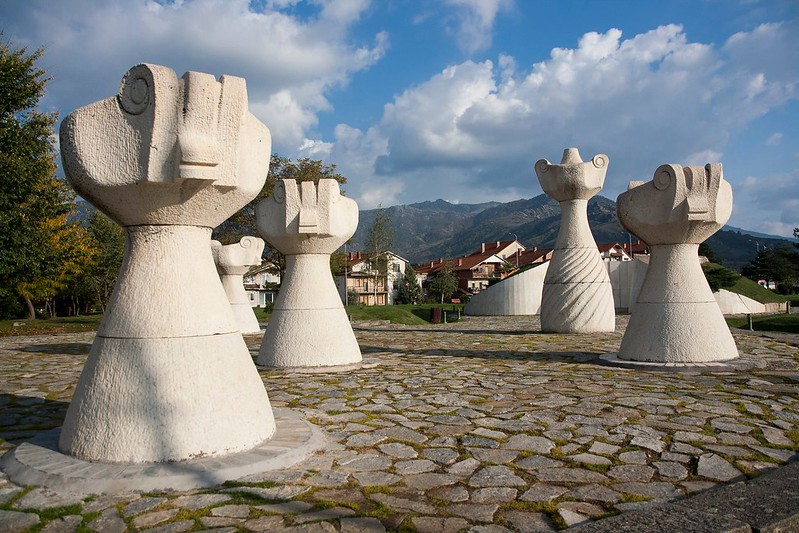
Culture brings people together and has the power to improve lives, transform communities and generate growth and jobs. The EU and the Western Balkans share a common history and deep cultural ties.
The region has wealth of cultural heritage sites and cultural talent. In post-conflict societies such as the Western Balkans, culture also has a key role to play as a vector of reconcilation and mutual understanding. Preserving this rich heritage, and promoting intercultural dialogue, is core to EU support in the region.
The EU also provides many opportunities for artists, film-makers and creative industries to collaborate and reach new audiences.
What are the challenges?
The cultural landscape is changing rapidly not just in the Western Balkans, but across Europe and globally. New technologies are changing lifestyles and transforming how culture is accessed and produced. While this brings opportunities, the sector continues to face many challenges.
- Across the Western Balkans, limited professional perspectives, skills gaps and a lack of training opportunities hinder the development of the sector.
- The COVID-19 pandemic has had a drastic impact on the cultural and creative industries. Yet, at the same time, the pandemic has shown the importance of culture for people’s wellbeing and the economy.
- Cultural operators in the region, particularly non-governmental organisations, need more dedicated support, to face these challenges. Many are dependent on external funding for their work.
- In post-conflict societies such as the Western Balkans, culture has an important role to play for reconciliation and bridging differences.
New challenges have also emerged, including the integration of newly arrived migrants in the region. In this context, culture has great potential to overcome divisions, counter radicalism, as well as generate growth and jobs.
How is the EU responding?
The EU has long supported cultural projects in the Western Balkans to promote dialogue, reconciliation and growth. The EU recognises the value of the region’s cultural heritage for Europe and beyond. Substantial funding for the sector comes from the Instrument for Pre-Accession (funding available for EU candidate countries or potential candidates).
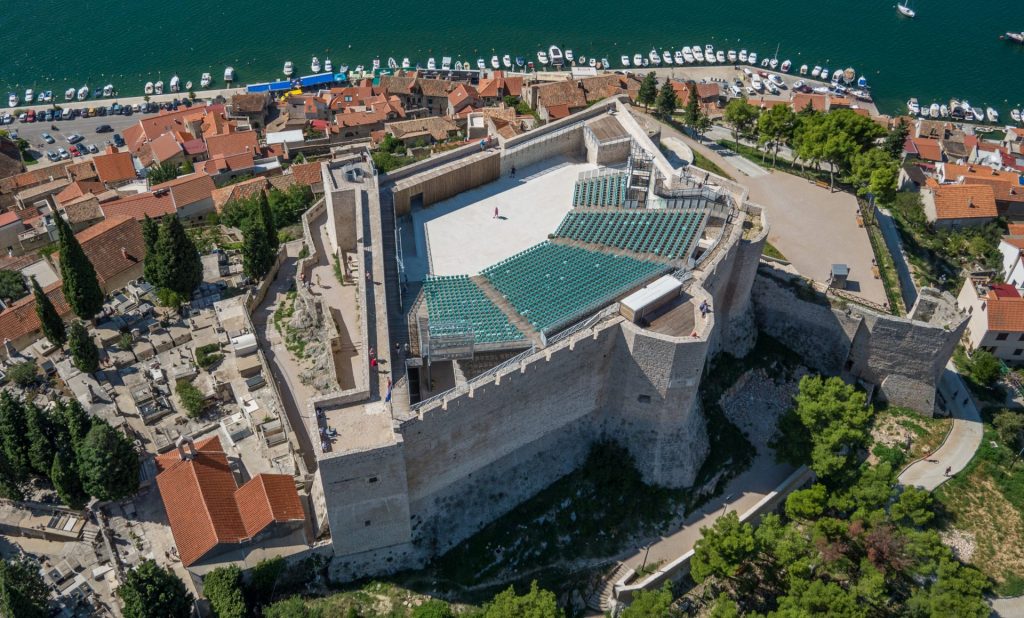
Numerous important cultural heritage sites have been restored or protected thanks to this. EU programmes such as Creative Europe have opened up avenues for artists and cultural organisations to operate internationally, share artistic works and tap into new audiences. The EU also supports and collaborates with film festivals, European Capitals of Culture , cultural awards and more across the region.
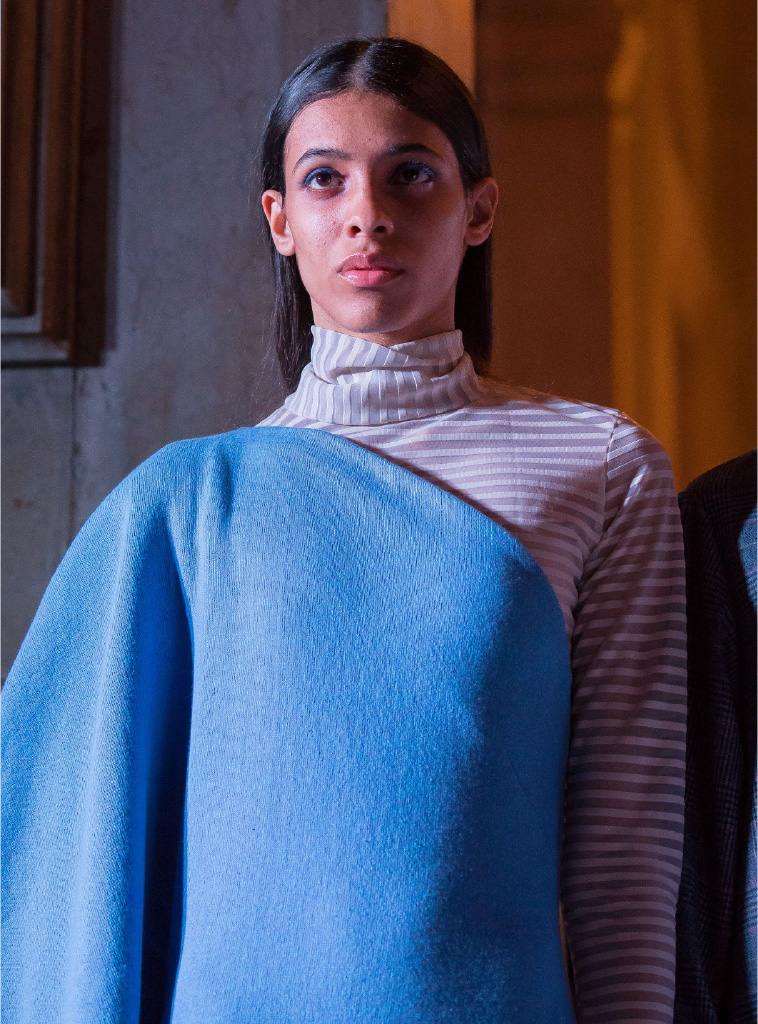
From performing arts and music organisations, artists and fashion collectives to cultural tourism operators, thousands of organisations and creatives have received support or taken part in exchanges and joint projects with counterparts across the EU. This has made the cultural and creative industries more competitive, and better integrated into the European cultural and artistic ecosystem.