
From Fragmented Plots to Larger Fields: How Land Consolidation Helped Dimche Grow
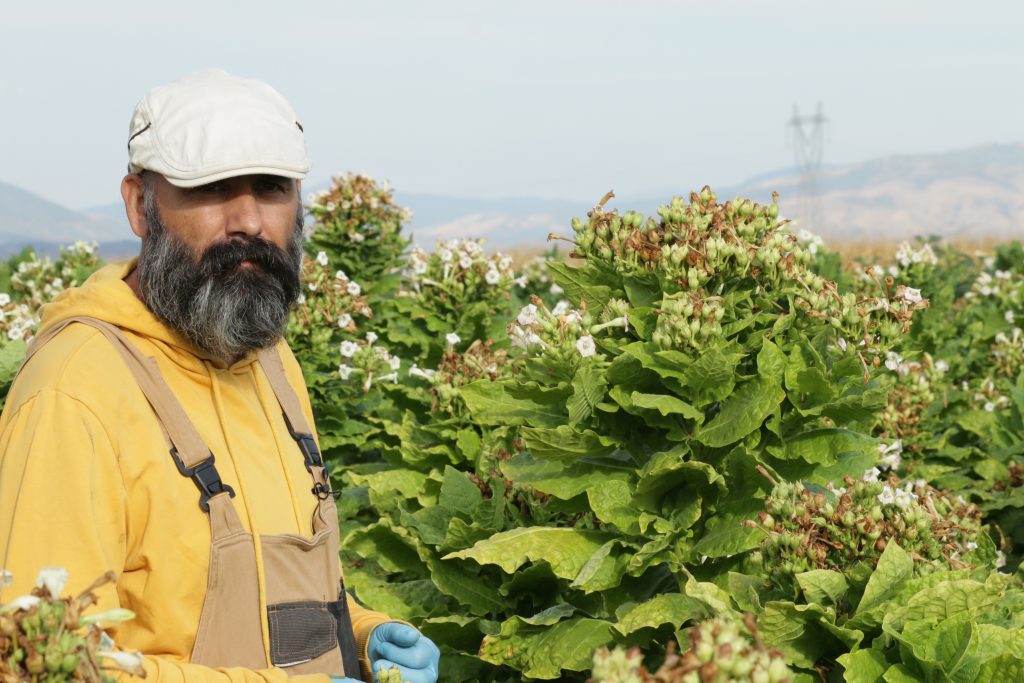
Before dawn breaks, Dimche Kotevski is already at work. His day begins around four in the morning and can stretch until ten at night. Even then, there is always more to do: fields to tend, crops to harvest and decisions to make. It is demanding work, but it is also how he supports his family and carries forward a tradition handed down through four generations.
“I inherited this land from my great-grandfather,” he says. “It was passed down to my grandfather, then my father, and now to me.”
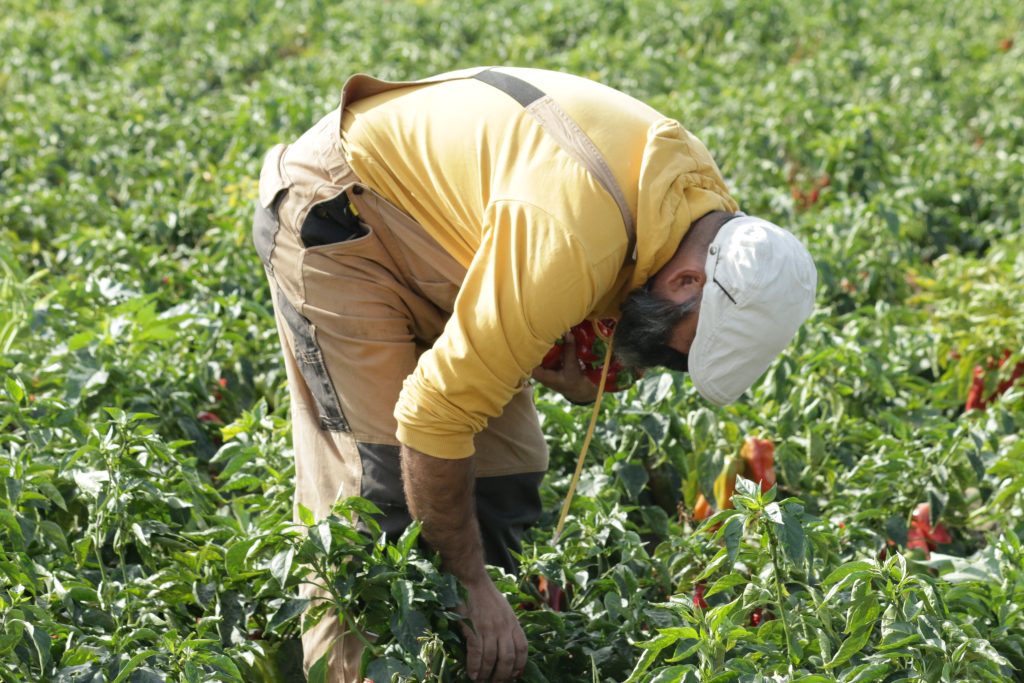
Dimche grew up on this land. Today, farming is his profession, and he cultivates around ten hectares of land. Depending on the season, he grows tobacco, corn, peppers, alfalfa, melons and other crops. He chooses carefully, looking for crops he can sell under contract. Even then, he cannot always know what price his harvest will bring.
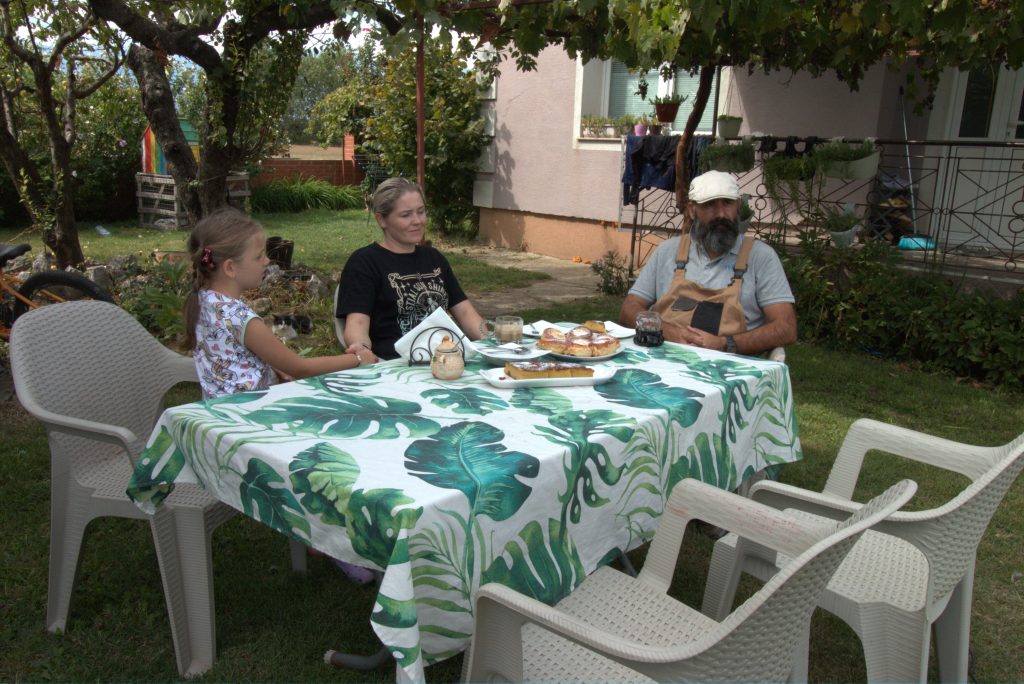
Together with his wife, he devotes much of his time to tobacco. It takes at least nine months of attention, from a tiny seed through cultivation and drying to delivery. The hours are long, and much of the work he does is with his own two hands. Dimche admits that he sometimes asks himself why he keeps going.
Part of the answer is tradition. Another part is the satisfaction of producing something. But the reason closest to his heart is family.
“They are all here, around me,” he says of his wife and children. “At any moment I can stop what I’m doing, go over and see them or say something to them. I’m never more than a kilometre away.”
For years, the way the land was divided made Dimche’s work harder than it needed to be. His fields were scattered across approximately eighteen separate plots. Getting to them, bringing in machinery and irrigating crops often meant coordinating with neighbours. The decision on what he could grow partly depended on how easily he could reach each field. That changed through the European Union-funded project “Mainstreaming the National Land Consolidation Programme in North Macedonia,’ implemented and co-funded by FAO. Across the project area in the village of Egri, in total 874 small, fragmented agricultural plots were restructured into 260 larger parcels. EU support also provided for basic infrastructure in the consolidated area: access roads, irrigation hydrants and improved drainage.
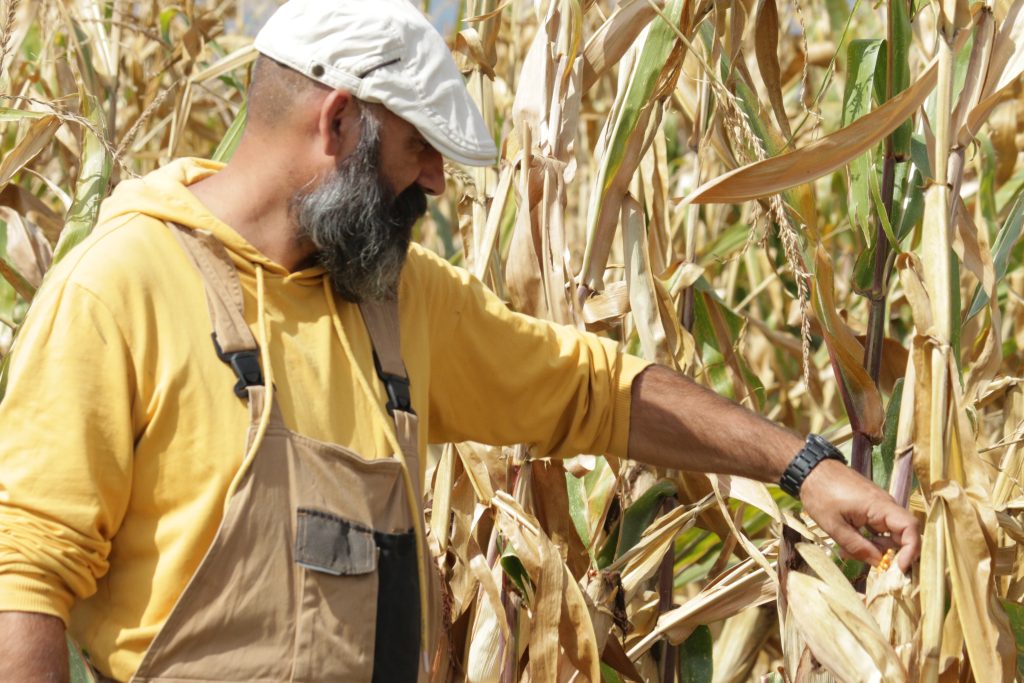
Dimche was among the farmers who benefited from this project. “At first, we younger farmers were sceptical,” he recalls. “We never thought they would complete it. Now that the project has been completed, I can clearly explain what I gained.”
The land Dimche inherited was spread across eighteen separate plots. Today, following his participation in the land consolidation project, those plots have become three larger parcels. Each has direct road access and an irrigation hydrant, while improved drainage and access roads make it easier to reach and work the fields, even during irrigation. He can reach every field without arranging passage through a neighbour’s land.
The difference he has experienced is practical and immediate. Dimche can plan crop rotation more freely, use his time more effectively and consider expanding production. EU support for land consolidation has given him something every farmer needs: a stronger foundation on which to plan. He now cultivates all ten hectares but sees the possibility of eventually farming twice that area.
He also points to other EU support through IPARD funds and the national support programmes as opportunities for farmers to invest in new machinery. In his experience, those support programmes have been accessible and have made buying new equipment a realistic option when before farmers could only afford second-hand machines.
His days still begin early, his work still depends on the weather, the crops and the market. But Dimche can now spend less energy working around fragmented fields and more on growing his farm.
For him, the long hours come with a freedom he values. “What I like most about my work is that I manage my own time. No two days are the same, and there is no fixed routine that I follow. It’s not that I have more free time. If I think about it, I probably work more than thirteen hours a day. The difference is that I don’t have to ask in advance for a day off and when it comes to holidays, I decide myself when I can take time off”, says Dimche. By evening, there may still be a work to finish. The land passed down through generations is now his legacy. But with better access to his fields and more room to plan, Dimche can look towards what he hopes to build here—for himself and for the family close by.


