
Making the most of opportunities — helping ideas and people go further
Professor Amila Pilav-Velić’s day begins the way many days in Sarajevo do: with a strong Bosnian coffee.
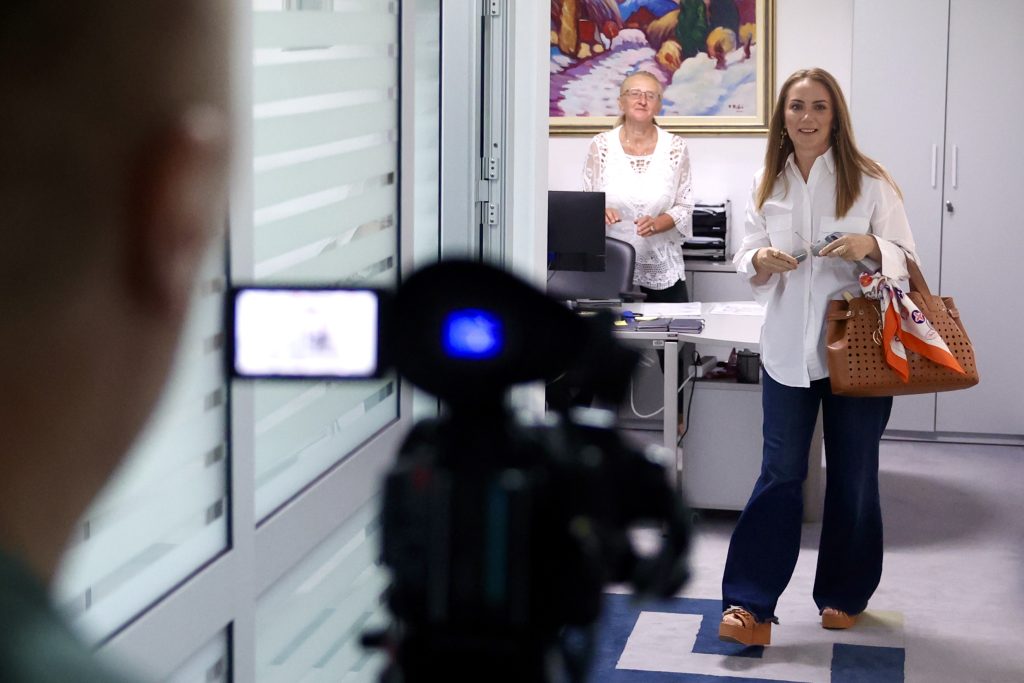
Before leaving for the School of Economics and Business at the University of Sarajevo, where she teaches and serves as Vice-Dean for Research and Projects, she checks her emails and decides what cannot wait. There are usually classes, meetings, deadlines and project applications competing for attention. And quite often, EU is somewhere in that morning inbox.
So that is how her “morning connection” with EU starts: a conversation with colleagues about a new Erasmus+ or Horizon call. Or about an application that needs to be completed by the end of the week. Between emails, meetings and coffee with colleagues, new ideas slowly become projects.
For Amila, however, EU programmes are much more than applications and deadlines. They are about people meeting, exchanging knowledge and discovering that Sarajevo, Vienna or Ljubljana are not as far apart as they may sometimes seem.
When students cross borders, ideas travel with them
A large number of students from the School of Economics and Business spend part of their studies abroad, while international students come to Sarajevo through Erasmus+. Amila sees the difference when they return. They come back with new experiences, new friendships and often a different way of looking at their own city and university. For Amila, watching them work was one of the most rewarding parts of the project:” Young people are often much more aware of the challenges ahead than adults assume. They understand questions such as the green transition, sustainability and economic change, but they also want the opportunity to do something about them. Programmes such as Erasmus+ give them that space”, said Amila
Sarajevo has something to contribute too
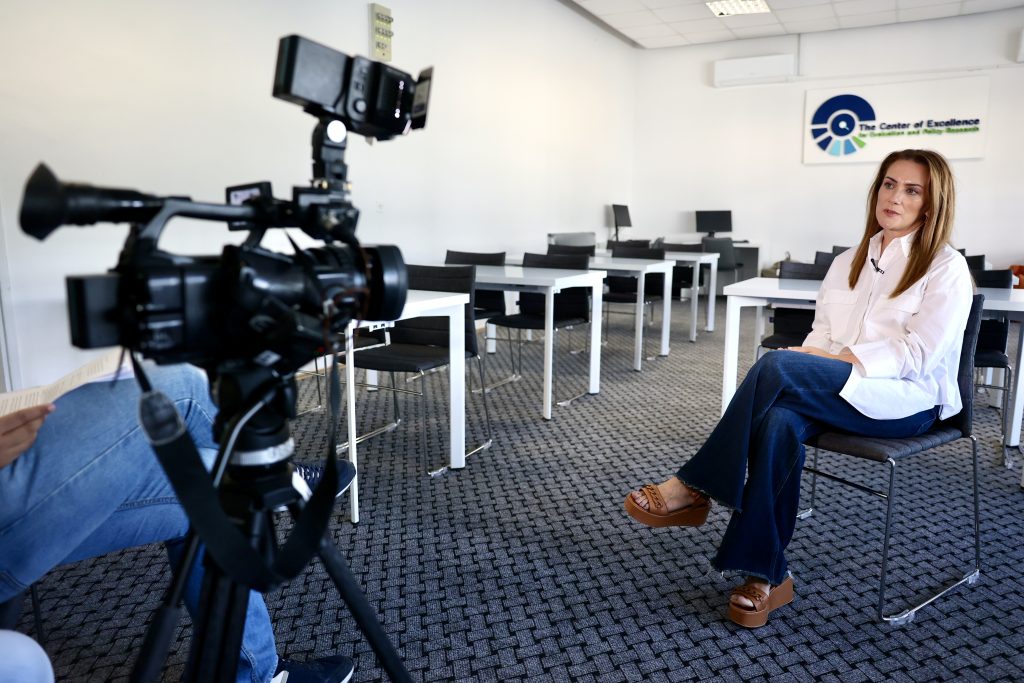
The university is also involved in Horizon and Danube projects with partners across Europe. Amila points out that this cooperation is not a one-way street. It is not simply about Bosnia and Herzegovina receiving knowledge or experience from elsewhere. Researchers from Sarajevo also bring their own expertise, ideas and solutions to European partnerships. That matters to her.
“It means that people working and studying in Bosnia and Herzegovina can see themselves as part of the same European community of research, knowledge and innovation – not somewhere on its margins”, stated Amila.
This idea also shapes the way Amila and her colleagues understand their role as professors. They do not want university life to remain behind classroom doors. Through the Centre for Policy Research and Evaluation, established with US support and later supported through cooperation with the European Union, they have worked on research and strategic initiatives linked to real challenges facing Bosnia and Herzegovina.
For Amila, being a professor at a public university also means having a responsibility towards the society around you.
Getting academia out of the room
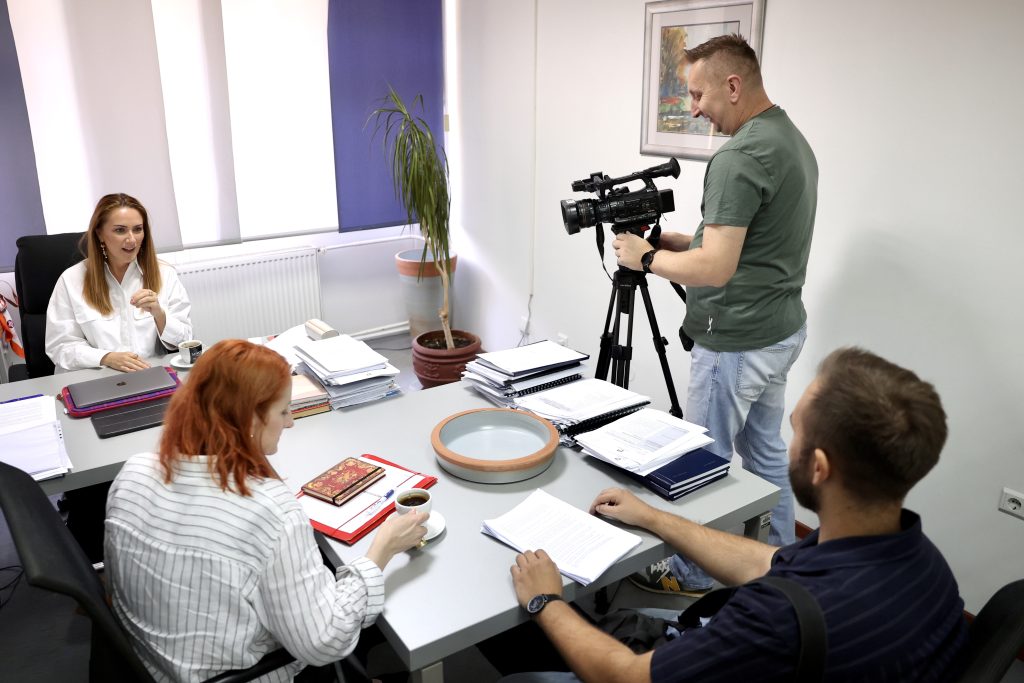
There is rarely just one meeting in Amila’s working day. On some days, she is organising conferences that bring academics together with businesses, professionals and policymakers. The purpose is simple: people who rarely sit at the same table should do so more often. Universities have knowledge that can help businesses and institutions. Businesses understand problems and opportunities from another perspective. Policymakers make decisions that affect both. Amila believes that none of them benefits from working in isolation. Academia, she says, should be open enough to share what it knows – and equally ready to listen.
Coffee, a book and a little Sarajevo history
After students, projects, meetings and events, the pace finally slows. A good coffee and a book are among Amila’s favourite ways to reset in the afternoon. But even then, there is something else. This working day ended with colleagues visiting Sarajevo’s Olympic Museum, where they explored the story of the 1984 Winter Olympics and the ambition of the people who made them possible. For Amila, the story still carries a message: Sarajevo has shown before that it can think boldly, organise internationally and create something recognised far beyond Bosnia and Herzegovina.
Helping ideas and people go further
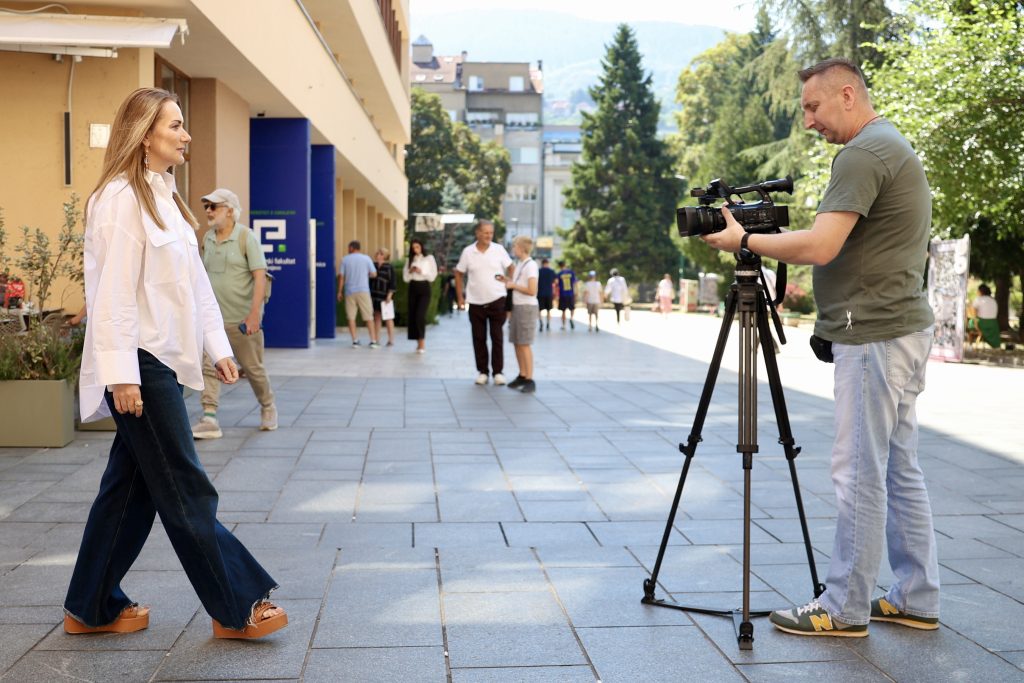
Finally comes the quieter part of the day. When emails stop arriving and meetings are over, she writes.
For the past six months, Amila has been working on a book. Evenings are also when she finds time for academic articles and research – the work that requires concentration that is difficult to find during a busy university day.
She does not want to look back and wonder what might have happened if she had tried a little harder.
“I genuinely try to give my maximum to every task and make the greatest contribution I can,” she says. “I do not hold back.” Perhaps that is also what connects the many different parts of her working day: making the most of opportunities – and making sure that students, colleagues and ideas from Sarajevo have the chance to travel further.


