
From Desimirovac to Europe: The hazelnut farm built on patience and courage
The European Union supports rural development in Serbia by helping farmers upgrade their farms, improve production and processing, to become more competitive and prepare for the EU market.
Predrag Rmuš never expected that his life would lead him to farming. A trained graphic designer, he could have built his life behind a computer screen. After completing his studies in Italy, he did have a chance to stay abroad, as many young people from the region do. But Predrag made a different choice. He returned to Serbia, to his family land, with a decision that was both, brave and deeply personal- to build his future at home, with his wife and children, from the soil he inherited, as he explained:
“I decided to live in my own country and raise my children here. In Italy, I saw that people can make a good living from agriculture, and I wanted to show that we can do the same here.”
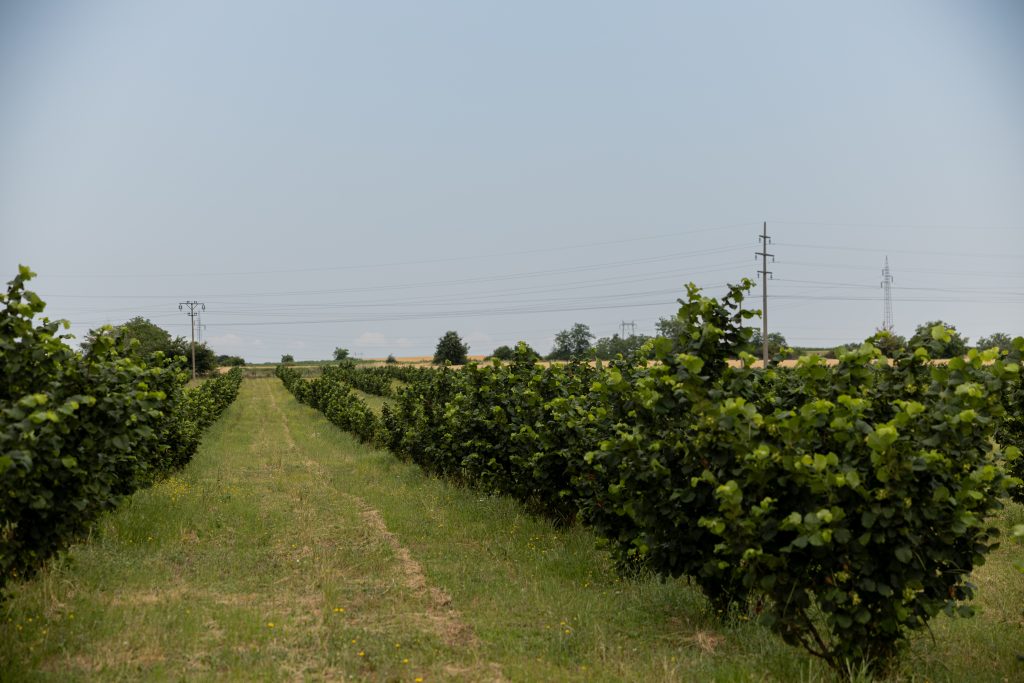
Today, his hazelnut orchard spreads across more than six hectares of land. But what now looks like a serious agricultural investment once began with uncertainty, empty winter fields and small seedlings that required strong faith long before they promised any harvest.
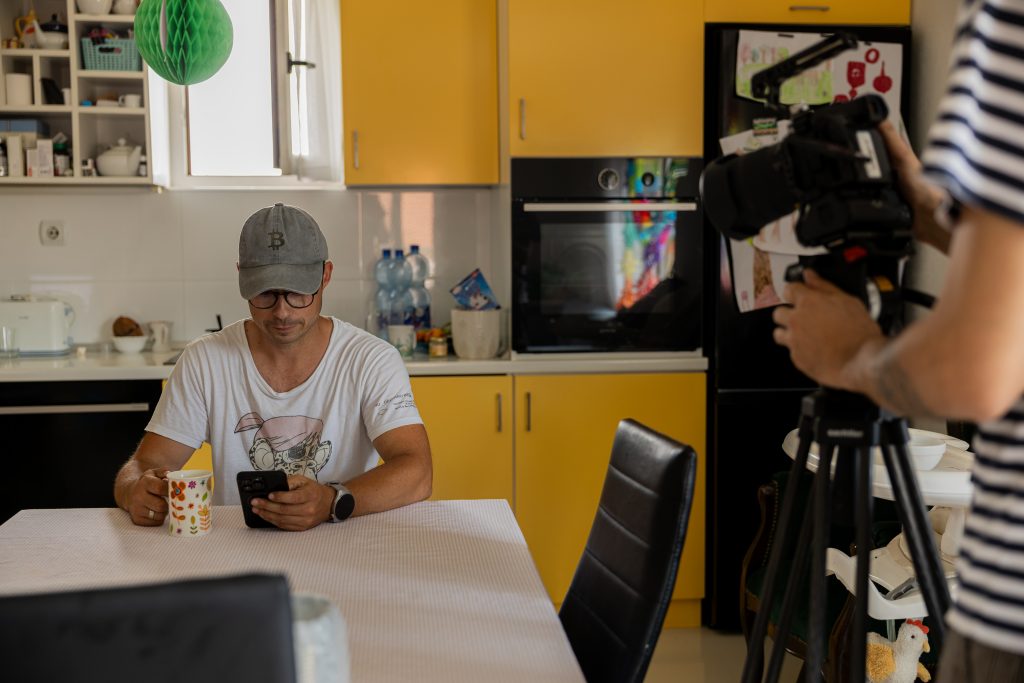
“Imagine walking into the orchard in winter and seeing almost nothing, wondering, ‘What am I doing here?’ But patience is the most important thing.” said Rmuš Inside the family home, coffee is prepared while the day’s work is discussed.
What may look like a quiet rural life is, in reality, a demanding daily responsibility — one that requires discipline, patience and planning years ahead. Predrag checks the weather forecast on his phone: rain, wind, hail, temperature changes. For a hazelnut farmer, nature sets the schedule, and there is no room for improvisation, said Rmuš and added:
“The first thing I check is the weather forecast — to see if there will be rain, wind or hail. After that, I inspect the irrigation system, the sensors and the soil moisture. You have to follow nature; there is no compromise.”
Farming today is not only physical labour. It is technology, planning, market information, agronomy, machinery and constant adaptation. Throughout the day, Predrag stays in contact with agronomists, suppliers, cooperatives, buyers and other farmers.
He follows crop protection schedules, market prices and the progress of his trees. Every leaf, every branch and every small change in the orchard can affect the harvest:
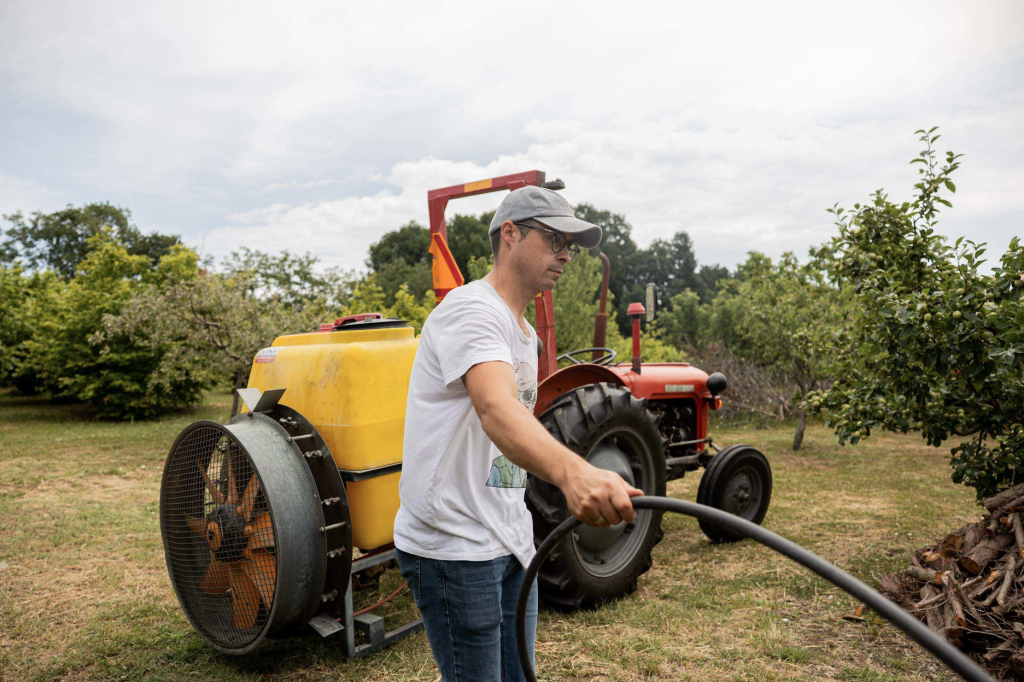
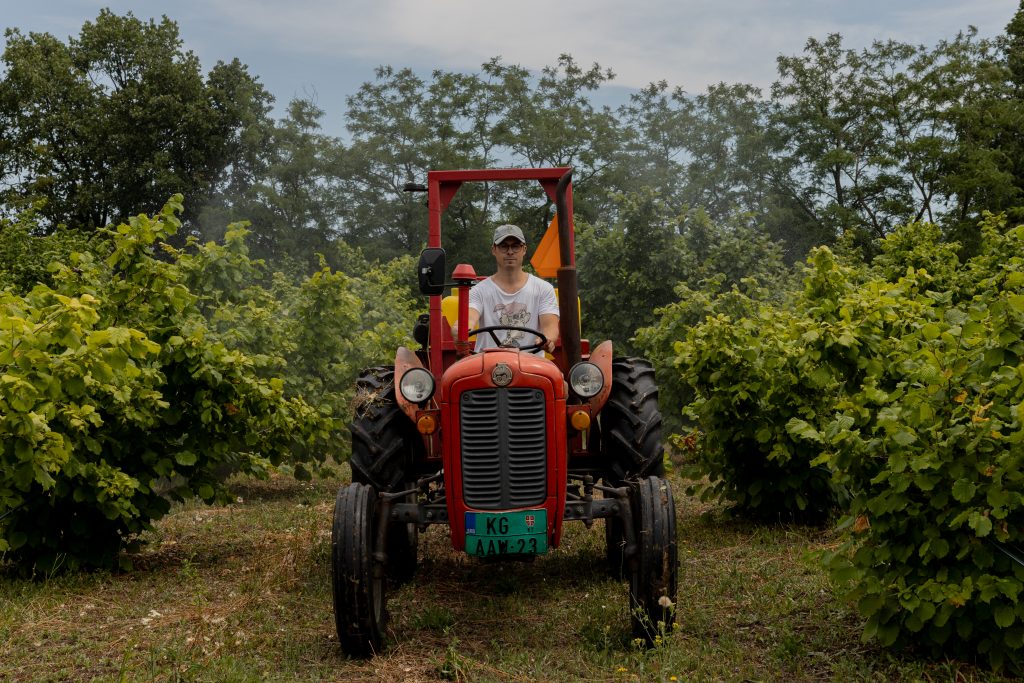
“After that, I check what is happening with the trees, whether there is any damage, when the next spraying should be done. I follow the spraying schedule and stay in touch with my agronomist. When it is time for spraying, cultivation or collecting, I spend seven or eight hours working in the orchard.” said Rmuš At first glance, it seems impossible for one person to manage an orchard of this size. But modern agriculture is changing what is possible. With machinery, irrigation systems and better planning,
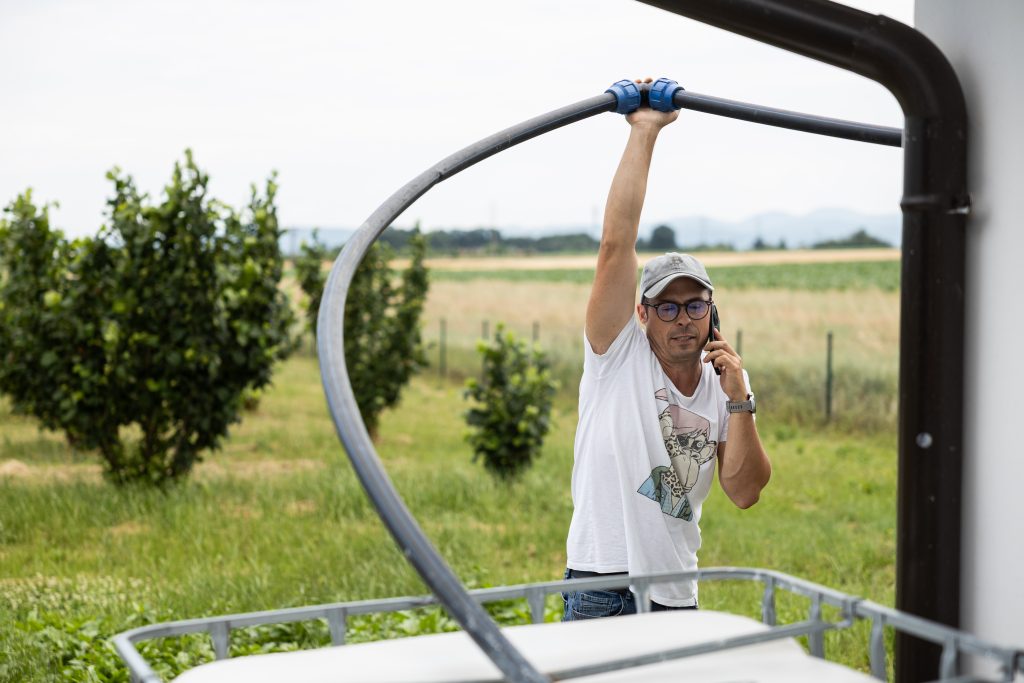
Predrag can do much of the work himself:
“With the help of machinery, I can now, spray and do almost everything. The irrigation system runs on its own — I am the one who monitors and controls it” explained Rmuš
A major part of this transformation was supported through the European Union-funded IPARD Programme. Through Measure 1, Predrag invested in the establishment and regeneration of his hazelnut orchard, including land preparation, new hazelnut seedlings, drilled well, a pump station, modern drip-irrigation systems, fencing, and machinery needed for more efficient and sustainable production.
For Predrag, EU support was not an abstract policy. It became visible in the orchard: in the water reaching the roots, in the protected rows of trees, in the machinery that saves time and strength, and in the confidence to think beyond survival — towards growth.
“I managed to receive support through IPARD, and it meant a lot because it helped me develop the farm properly. I got around fifty percent of my investment reimbursed, and I immediately reinvested that money back into the farm,” said Rmuš
He used the EU support to strengthen production and continue building the farm step by step highlighting that: “My next plan is to buy a hazelnut harvesting machine so I can complete the entire production process.
The European Union supports rural development in Serbia by helping farmers upgrade their farms, improve production and processing, become more competitive and prepare for the EU market.

In Predrag’s case, that support helped turn a personal decision to stay into a realistic plan for the future. But his dream does not end with growing hazelnuts. He wants to add value, to process them, package them and eventually create finished products that can compete on European markets.
“My plan is to crack the hazelnuts, roast them and vacuum-pack them. At first, it will be packaged hazelnuts, and later we will produce hazelnut spreads and other confectionery products.”
By late afternoon, the pace slows. Golden light settles over the orchard. Predrag walks between the rows one last time, checking what needs to be done tomorrow. Farming, he says, is not easier than it was before — but it can be smarter, more sustainable and more connected to opportunity.
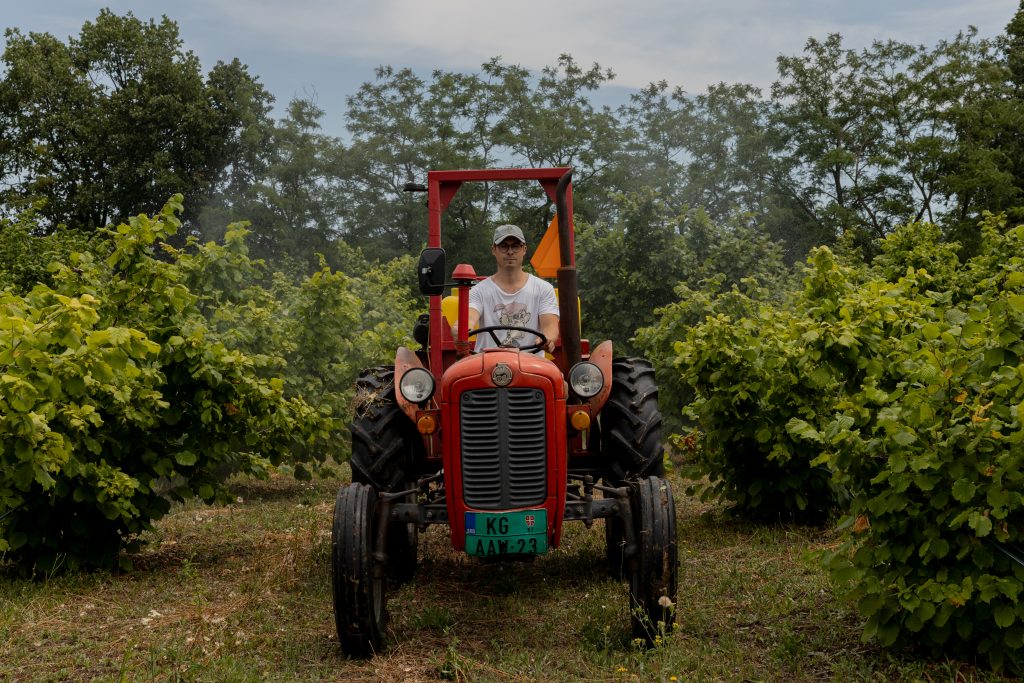
After six years of work, he expects his first significant harvest this August. He hopes that hazelnuts from Desimirovac will one day reach European markets.
For Predrag, success is not measured only in hectares, machinery or kilograms of harvest. His greatest achievement is something deeper: the choice to return, to stay, to raise his children in Serbia, and to build something they may one day continue. In every tree he planted, there is patience. In every row, there is work. And in every harvest to come, there is the story of a man who makes changes.
EU With YOU together with N1 Serbia crew visited Predrag Rmuš on his hazelnut farm in Desimirovacnear Kragujevac to make a first in a serial of a Day in the Life stories- devoted to people who make changes


