
Montenegro, Serbia
A woman from Rožaje in Montenegro blends tradition, fashion and art to start a new business.
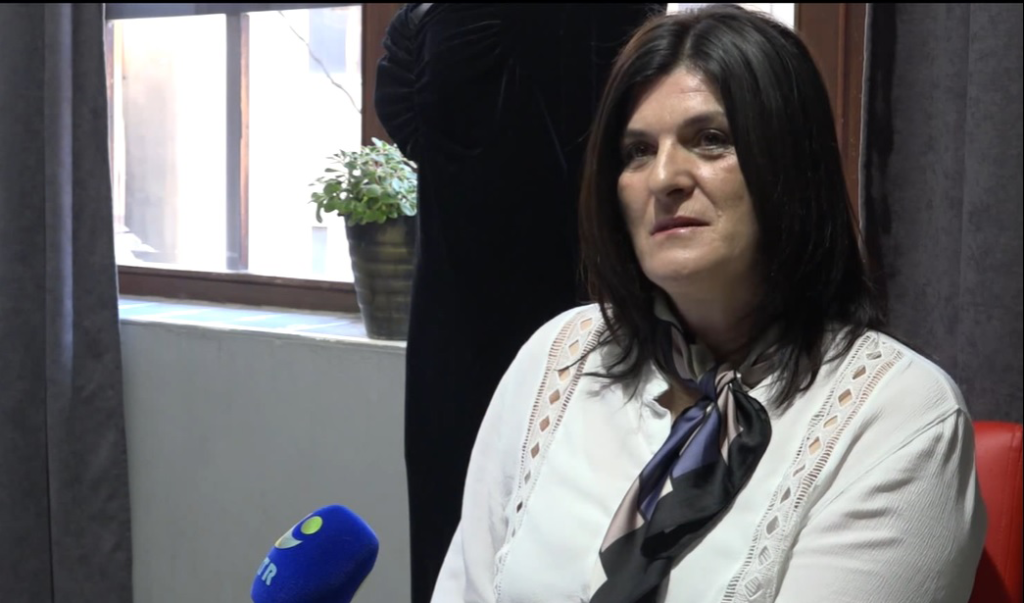
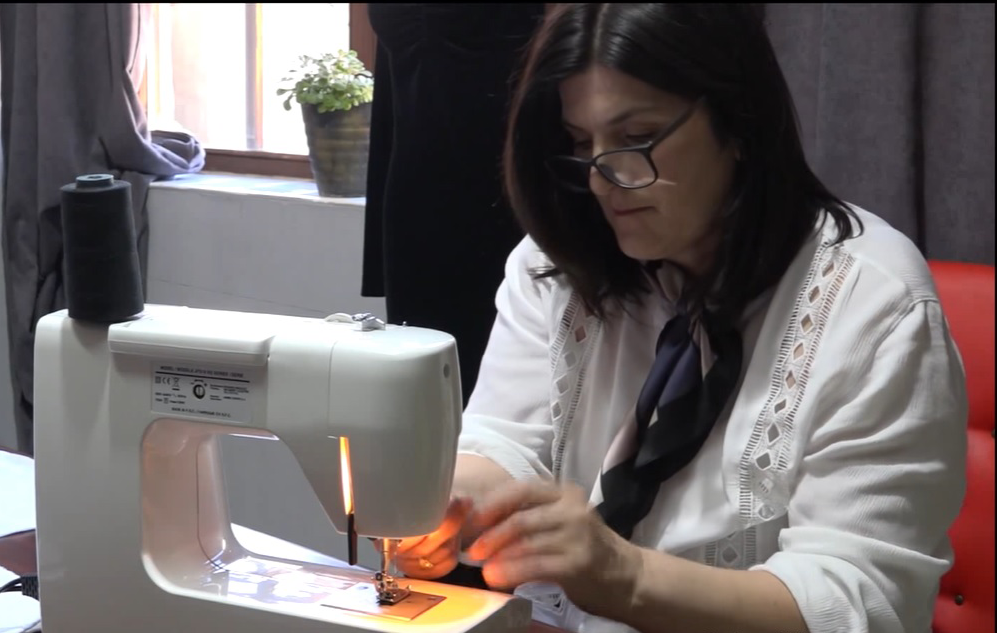
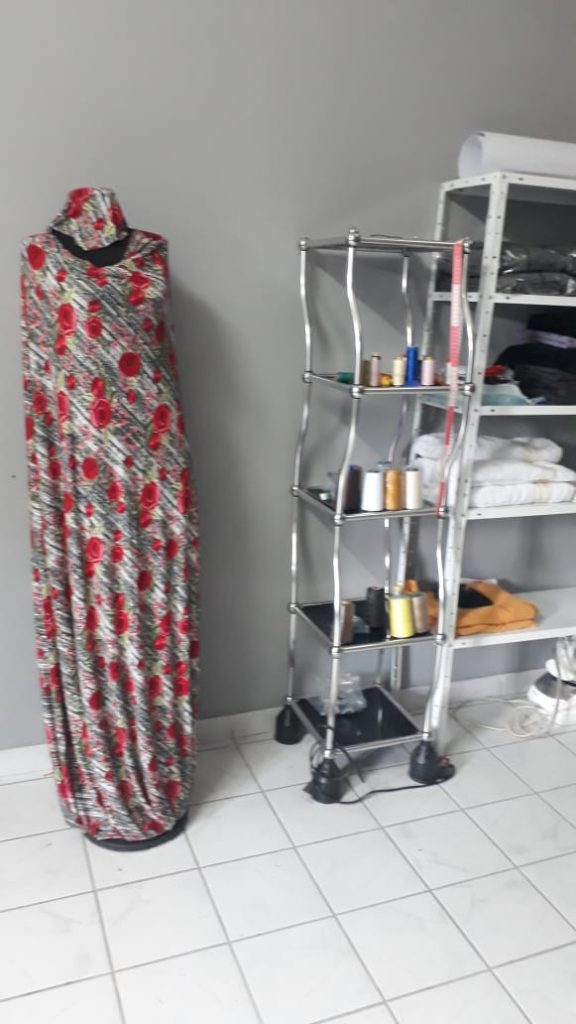
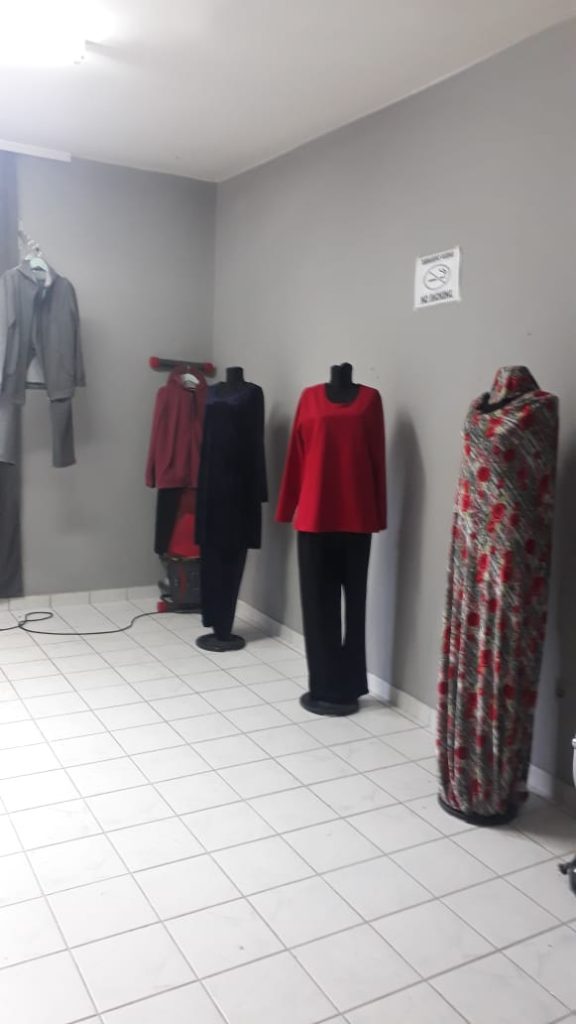
Igbala Murić, 49, lives in the small border town of Rožaje in Montenegro. From a young age she enjoyed sewing traditional textiles like bedding, clothes, and napkins. As a high school student she had already decided that she would build a professional life based on these skills. In agreement with her parents, she registered at a professional high school for textile production.
Later in life she worked as a tailor in companies in Montenegro and Turkey, but this work did not include traditional crafts. “I missed working on our traditional clothes and other textiles. Our traditional clothing is unique and beautiful, and it is also our cultural heritage,” she says.
All along, Igbala wanted to do something about the preservation of this traditional heritage in textiles. Her idea was to start her own business that would specialise in the production of her culture’s traditional clothing. But for this, she needed financial support and to know how to start and manage a business. Years passed, but she was not able to initiate anything sustainable.
“Our traditional clothing is unique and beautiful, and our cultural heritage”
Finding the right support
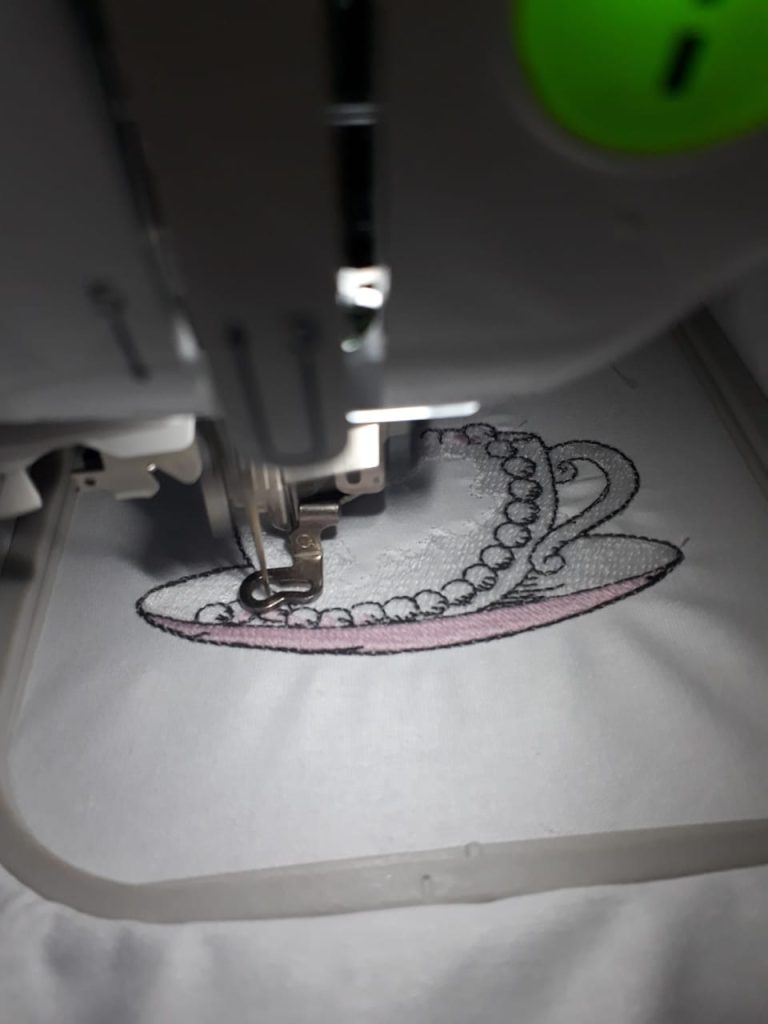
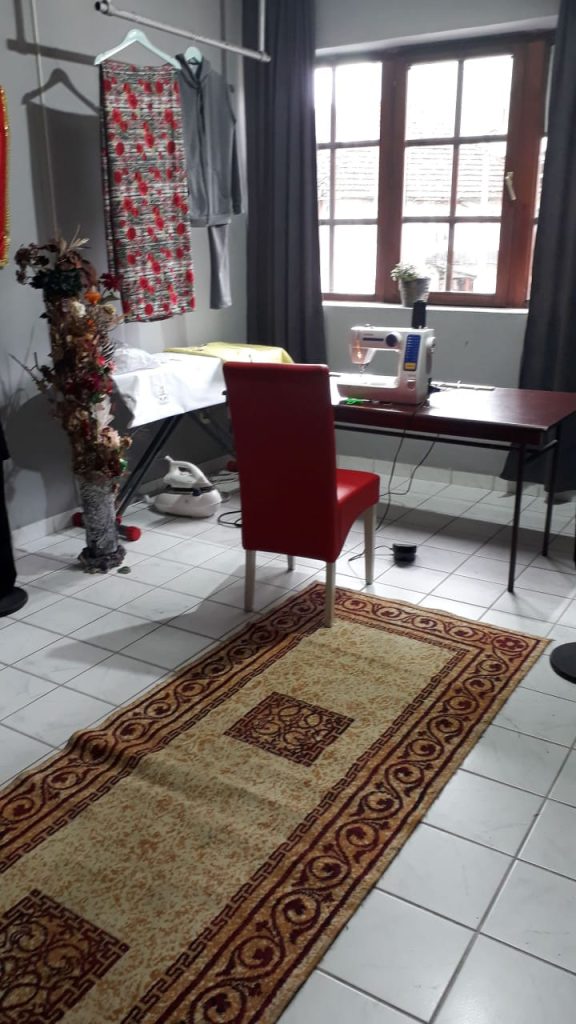
In 2019 Igbala heard about the ‘Craftsman’ project funded as part of the IPA CBC Programme Serbia – Montenegro 2014 – 2020, financed by the European Union. The project that provided support for women and young people in the Rožaje region in Montenegro and Sjenica region in Seribia. She registered a company and applied for support. She participated in a training programme for business management, received a new sewing machine from the project, and entered the world of entrepreneurship. The project provided support to more than 90 individuals like Igbala by involving them in this training and a mentoring programme.
As a result of the support, she has increased production since the beginning of this year and had been planning to employ other women until plans got interrupted by the pandemic. “I was working mainly on handicrafts. The support from the project provided me with an opportunity to expand my business, increase production, and also sell in other parts of Montenegro,” she says.


