

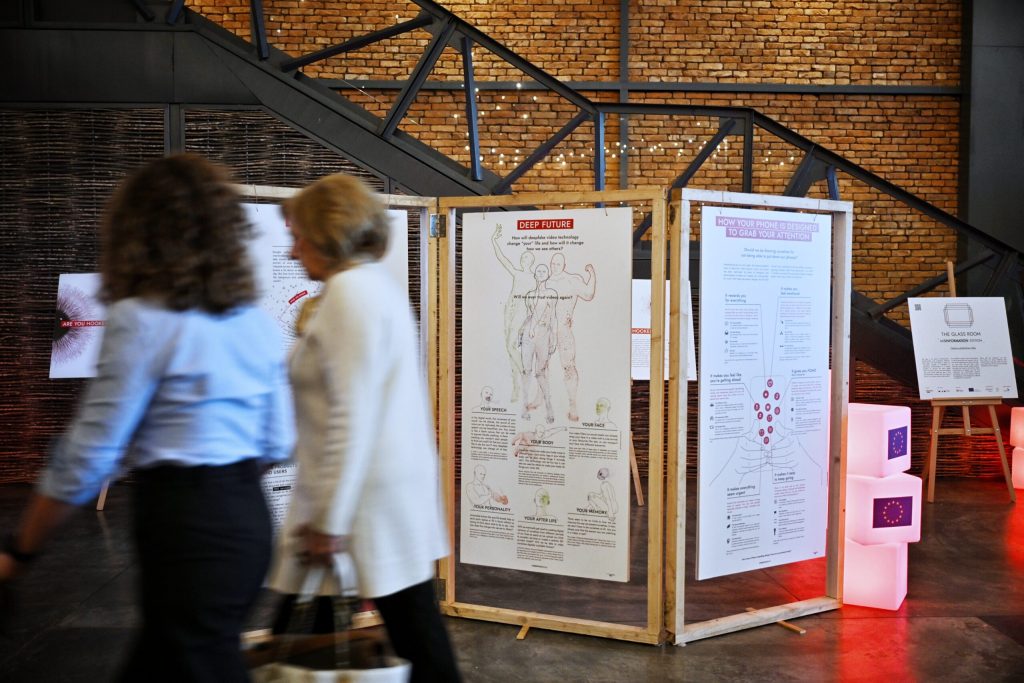
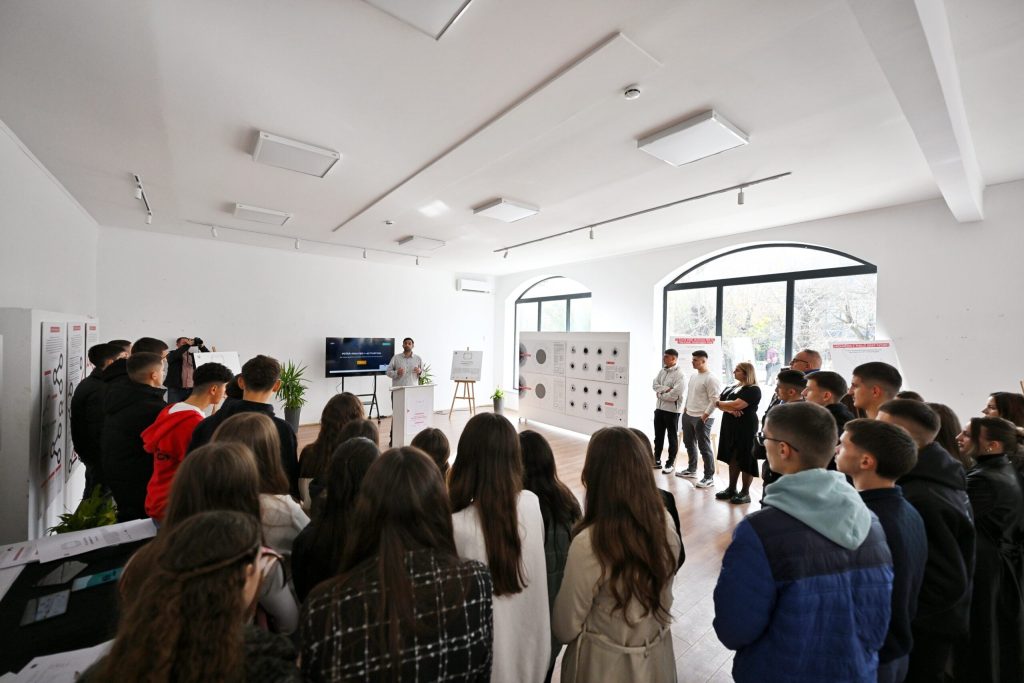
Nearly 25,000 people across Kosovo took part in a range of media literacy events held between October 2025 and February 2026 in Pristina, North Mitrovica, Podujevo, Gračanica and Gjakova, with the support of the European Union and organised by the European Union Office in Kosovo in cooperation with Purple Consulting.
“The European Union’s engagement in media literacy in Kosovo is part of a broader commitment to supporting informed, resilient and democratic societies. In today’s complex information environment, the ability to engage critically with information is essential for meaningful participation in public life,” explains Enisa Rashlanin Kasemi, Communications Officer at the European Union Office in Kosovo. She emphasises that, from the EU’s perspective, media literacy empowers citizens by fostering critical thinking and contributing to trust in democratic processes.
“In Kosovo, media literacy and online safety are not part of formal education, although there are initiatives in this area. At the same time, awareness is growing of the risks posed by disinformation and digital manipulation, as well as the need to better equip young people with critical thinking skills. As a result, these topics are most often addressed through external projects, workshops and civil society activities,” says Rashlanin Kasemi.
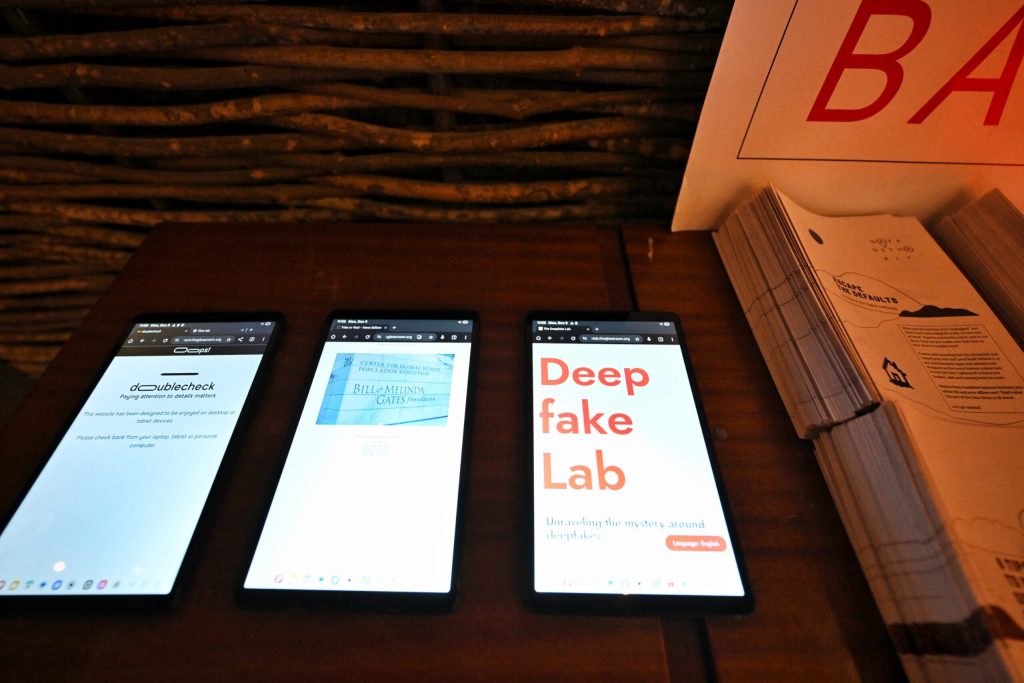
The Glass Room is an internationally recognised exhibition concept focused on making complex digital issues accessible to the public. Developed by Tactical Tech in Berlin, it helped organisers in Kosovo avoid building the project “from scratch” and instead adapt proven models to the local context. They explain that the concept offers an innovative and engaging way to address topics such as disinformation, online behaviour and the protection of personal data through interactive and visual formats that encourage reflection and critical thinking. Organisers believe this approach enabled visitors to better understand how the digital environment influences their choices and how to navigate it more responsibly.

In addition to multimedia exhibitions, the project included a series of interactive workshops, discussions and digital engagement activities delivered by a team of experienced journalists and media literacy experts, including Kreshnik Gashi, Darko Dimitrijević and Visar Prebreza, who provided practical and locally relevant guidance on recognising disinformation and protecting personal data.
The workshops lasted around two hours and used interactive modules such as “Facts vs Feelings” and “Spot the Design Tricks”. They included hands-on exercises, group discussions, games and real-life case analysis, while tablets, video content, quizzes and digital installations were used to actively engage participants.
“Visitors included pupils, teachers and educators who play a key role in developing critical thinking, as well as journalists, media professionals, representatives of civil society organisations and NGOs, along with institutional representatives and members of the wider public. The audience was truly diverse, which enabled meaningful discussions and an exchange of perspectives,” say Florina Bajraj Salihu and Ardian Jashari from Purple Consulting.
They highlight that the exhibition opening alone attracted 1,200 visitors, while more than 300 people attended the DISICON conference dedicated to media literacy, nearly 200 participated in workshops, and over 10,000 people saw content produced within the project on social media. Visitor reactions were engaged and participatory, demonstrating a high level of reflection and involvement.
“Above all, participants were introduced to practical tools for fact-checking and verifying sources, equipping them with skills applicable in everyday life. They learned how to recognise disinformation and common manipulation techniques, as well as how emotions can shape the way information is perceived and shared. The exhibitions and workshops helped them identify phenomena such as deepfakes, clickbait and misleading content, while also raising awareness about how personal data is collected, used and often misused online,” says Bajraj Salihu, while Jashari adds that visitors asked numerous questions and shared their own online experiences and habits, turning sessions into open discussions rather than one-way presentations.

“Many expressed a willingness to pass on what they had learned to colleagues, friends and family members. There was particular curiosity about why people believe misinformation, how algorithms and digital design influence behaviour, and what concrete steps individuals can take to better protect their personal data,” says Jashari.
Both Bajraj Salihu and Jashari note that they, too, learned from these encounters.

“Gaps in media literacy are widespread across all age groups, even when it comes to basic concepts such as verifying sources. This highlights the need for foundational education in this area, as disinformation has the power to distort facts, undermine public trust and ultimately harm democratic processes. At the same time, many citizens do not understand how their personal data is used or how to protect it,” they explain, adding that the project showed strong public interest when topics are presented in a visual and interactive way. They also stress that local context is crucial for ensuring understanding and engagement, and that interactive formats are far more effective than traditional lectures.
The activities were implemented in close coordination with the European Union Office in Kosovo, ensuring quality, reach and consistency. Organisers emphasise that it would have been difficult to achieve the same scale and quality without EU support, as the EU provided funding, facilitated cooperation with Tactical Tech and supported the overall implementation of events across Kosovo.
The EU is Kosovo’s strongest and most reliable partner and its largest provider of financial assistance – €3.7 billion since 1999.


