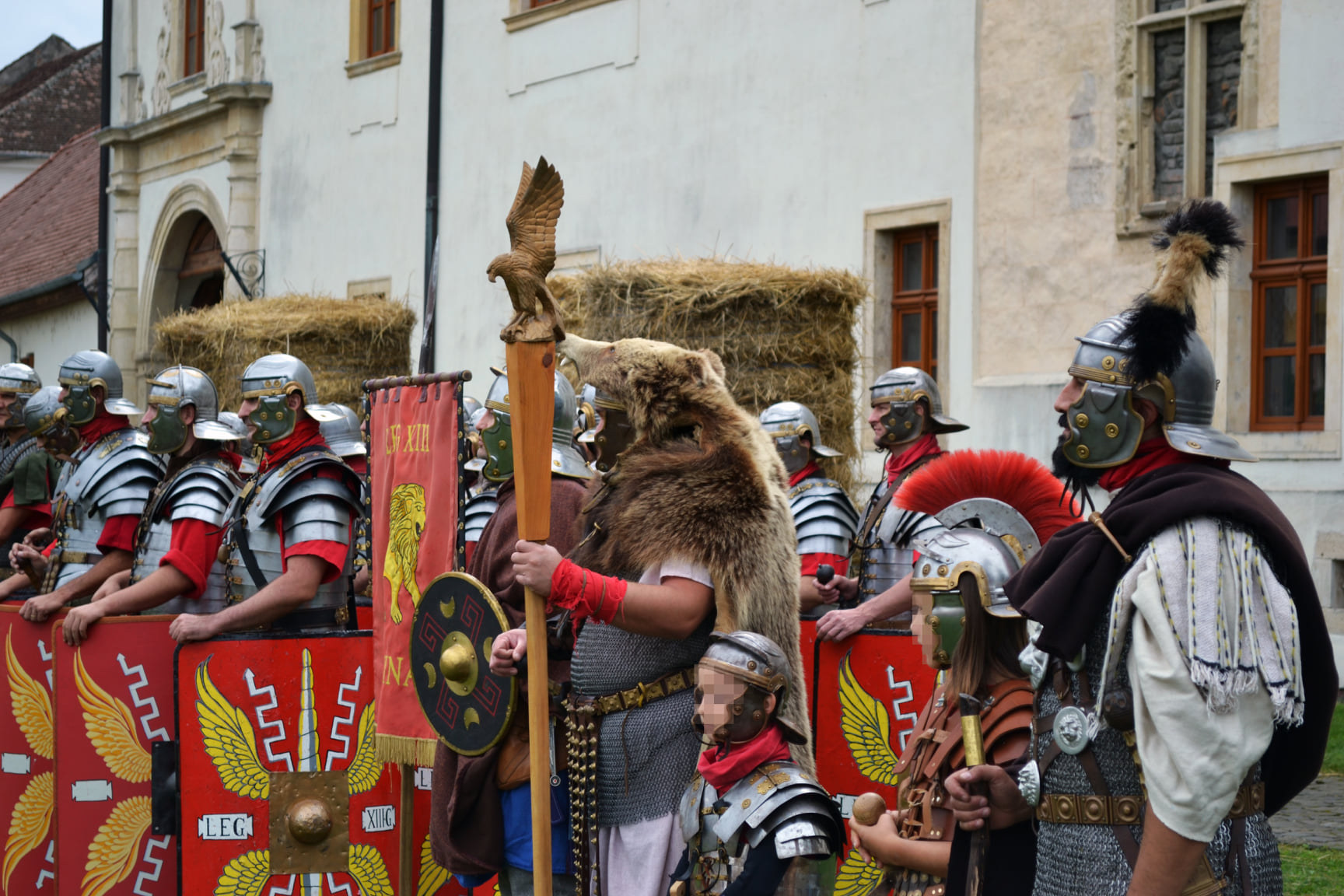
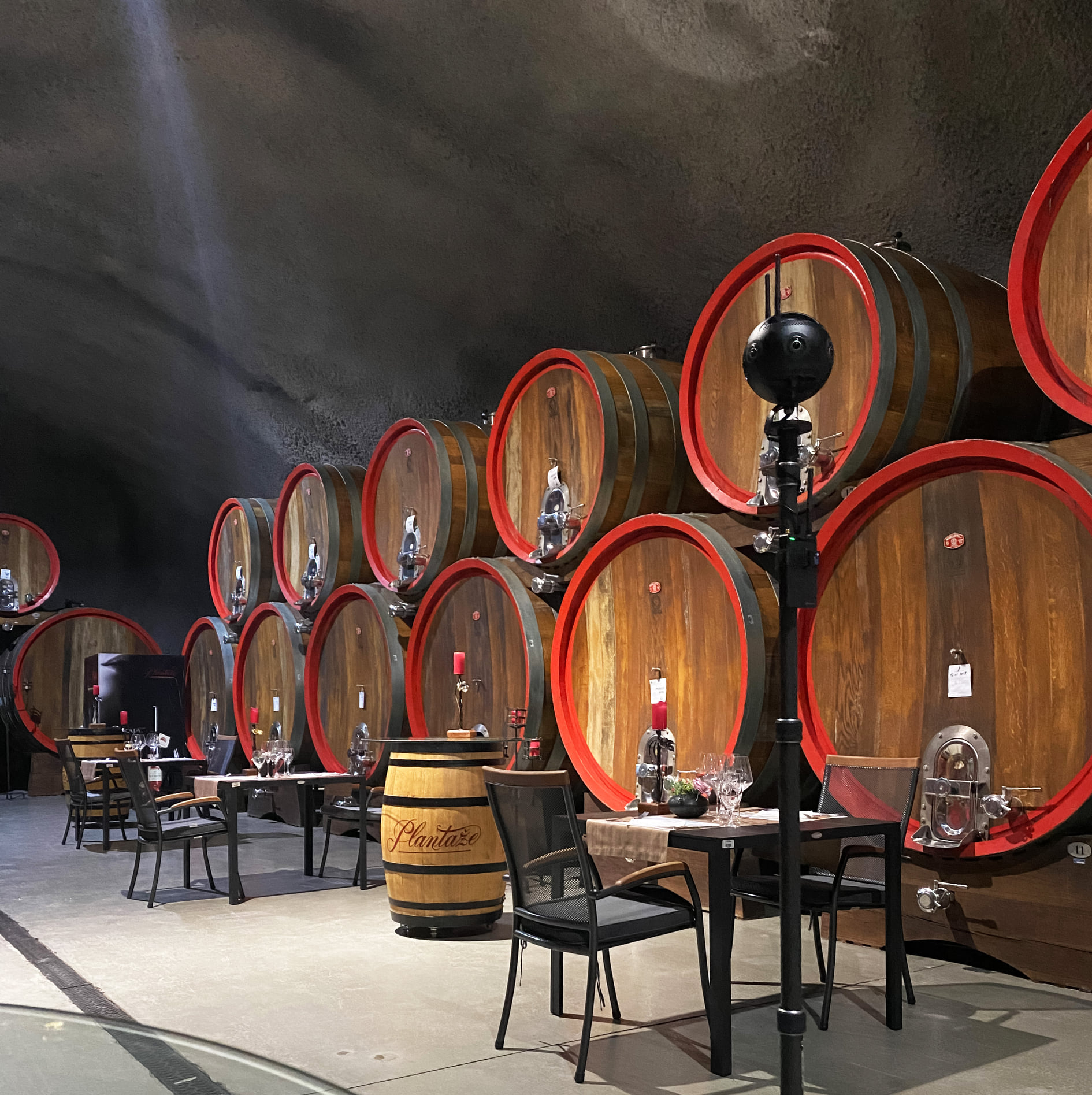
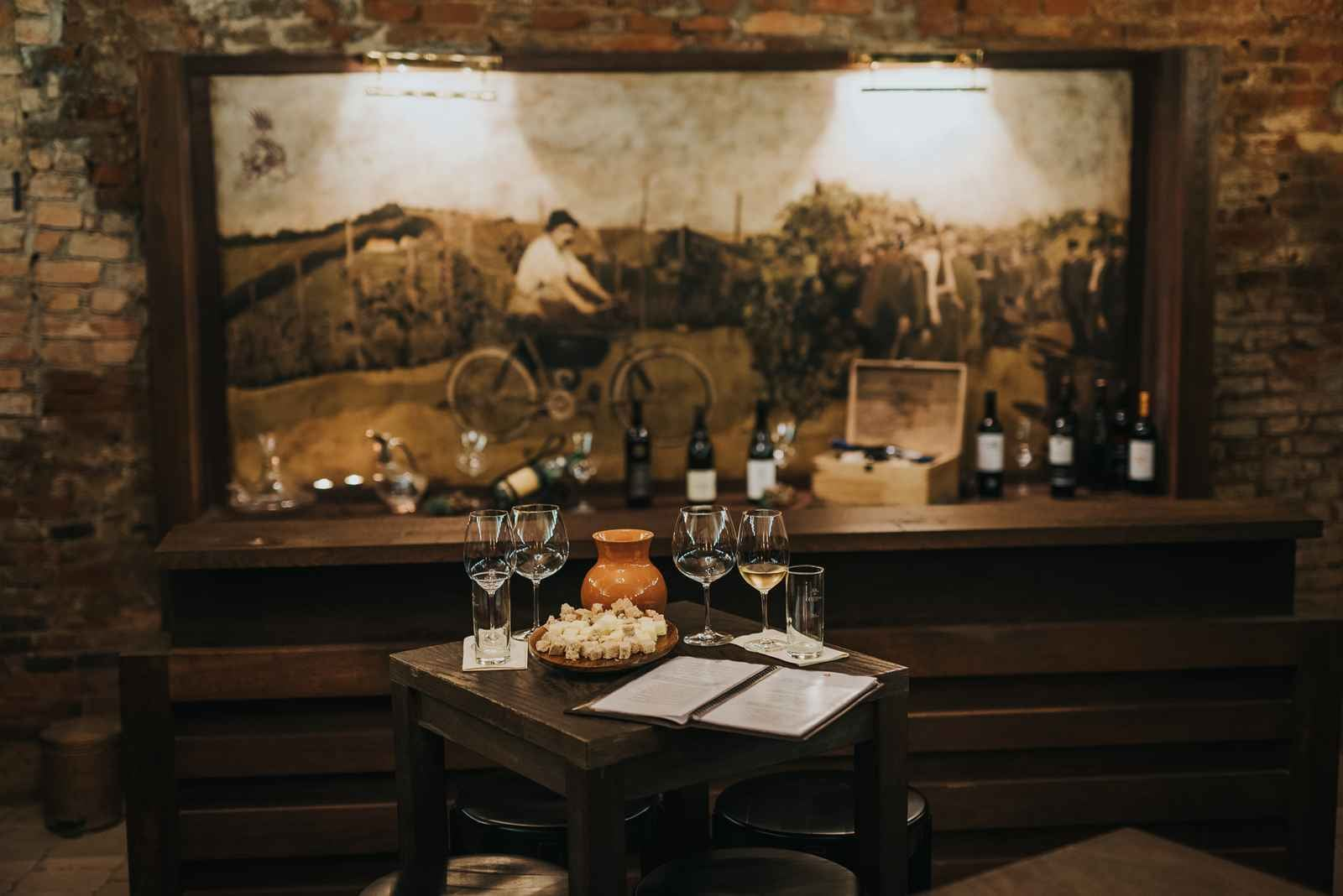
With almost €2 million in support from the European Union, the Romans Wine Danube project has brought together Roman archaeological heritage and long-standing wine-making traditions, transforming them into a sustainable, internationally recognisable tourism product. As a result, the Festival of Roman Emperors and the Wine Festival will become part of the European Cultural Route of Roman Emperors, while the partnerships established through the project have evolved into a platform for developing new products and testing innovative solutions for enhancing the region’s tourism offer.
The project connects 12 partners from 11 countries, including both EU Member States and non-EU countries. These include governmental and non-governmental organisations, small and medium-sized enterprises, as well as tourism and cultural institutions from Bosnia and Herzegovina, Bulgaria, Montenegro, Croatia, Hungary, Germany, Romania, Slovakia, Slovenia, Serbia and Ukraine.
Project activities encompass historical research, the identification of sites linked to Roman wine production, the development of interpretative presentations and innovative tourism products aligned with green policies (such as walking and cycling routes), and the strengthening of cooperation between heritage institutions, wine producers and tourism organisations. All activities actively involve marginalised population groups in regions affected by depopulation and uneven development.
The project newsletter notes that this vibrant cooperation has helped build a shared storytelling concept while preserving the unique spirit of each destination along the Danube.
“From Ptuj to Sremska Mitrovica, from Alba Iulia to Pécs, our partners have breathed life into Roman heritage, local wine traditions and authentic experiences that resonate with both residents and visitors alike. Alongside these festivals, a great deal of significant professional work has been taking place behind the scenes”, the newsletter states, adding that ideas developed during meetings and walks were gradually transformed into tangible expressions of the #RWD brand.
The project runs from January 2024 to June 2026, with a total value of nearly €2.2 million, 80 per cent of which is provided through the EU’s Interreg cooperation programme aims to promote balanced economic, social and territorial development across the Union, focuses on strengthening cross-border cooperation as a framework for joint action and policy exchange among stakeholders.
“Tourism can serve as a tool for the sustainable preservation of cultural and historical heritage — enabling visitors to discover that heritage, while also generating higher income for the sites involved. This, in turn, helps local communities recognise the heritage as their own and invest revenues back into its protection. Communication and cooperation are challenging, but our diversity has proved to be an advantage in defining activities and filtering ideas”, explains Siniša Čamernik from the Centre for Competence for the Danube (DCC), an association of tourism stakeholders based in Belgrade and the project’s lead partner.
From Ptuj in Slovenia, partners note that transnational cooperation is always demanding, but ultimately delivers results.
“The main challenges related to harmonising methodologies, aligning timelines and ensuring that all partners had access to the same information. So far, we have learned — among other things — that through strengthened transnational cooperation and joint learning, Roman heritage and wine culture can be transformed into sustainable, high-quality tourism products”, explains Nataša Mršek, Project Officer at the Bistra Research and Development Centre.
From Široki Brijeg in Bosnia and Herzegovina, partners emphasise that regular communication, a clear division of roles and shared objectives helped transform differences among partners into complementarity, enabling higher-quality and more applicable solutions, as well as visible and tangible results on the ground.
“One of the key lessons is that sustainable tourism is not possible without the genuine involvement of the local community. Cultural heritage has proven to have far greater development potential when interpreted in a contemporary, interdisciplinary way and in partnership with the business sector. The project has also confirmed the importance of institutional coordination, and our local Office — acting as a bridge between the local level and European policies — proved crucial for the long-term sustainability of the results”, says Ivana Pešorda from the Office for European Integration of the West Herzegovina Canton.
Čamernik underlines that the EU provides both the financial and institutional framework and initiates cooperation, while Mršek notes that the EU ensures local actions are aligned with broader European priorities for sustainable and inclusive cultural tourism.
Ivana Jurić from the Osijek-Baranja County Tourist Board in Croatia explains that, in all EU co-funded projects, it is essential that they form part of a broader vision on which individual partners work in the long term.
“The EU recognises existing engagement, initiatives and products with a strong regional dimension and development potential — potential that would be far more difficult to realise without EU territorial cooperation programmes”, Jurić adds.
Partners involved in Romans Wine Danube are already preparing new project proposals with the aim of continuing their joint work on developing sustainable cultural tourism.
“The networks, research findings and tourism concepts developed within the project provide a solid foundation for future initiatives in the field of cultural heritage, the preservation and promotion of Roman and wine heritage along the Danube region, and cross-border storytelling”, says Mršek.
While some people travel physically along the route, those driven by curiosity can follow the project through its social media channels.
The project newsletter notes that this vibrant cooperation has helped build a shared storytelling concept while preserving the unique spirit of each destination along the Danube.
“From Ptuj to Sremska Mitrovica, from Alba Iulia to Pécs, our partners have breathed life into Roman heritage, local wine traditions and authentic experiences that resonate with both residents and visitors alike. Alongside these festivals, a great deal of significant professional work has been taking place behind the scenes”, the newsletter states, adding that ideas developed during meetings and walks were gradually transformed into tangible expressions of the #RWD brand.
The project runs from January 2024 to June 2026, with a total value of nearly €2.2 million, 80 per cent of which is provided through the EU’s Interreg cooperation programme aims to promote balanced economic, social and territorial development across the Union, focuses on strengthening cross-border cooperation as a framework for joint action and policy exchange among stakeholders.
“Tourism can serve as a tool for the sustainable preservation of cultural and historical heritage — enabling visitors to discover that heritage, while also generating higher income for the sites involved. This, in turn, helps local communities recognise the heritage as their own and invest revenues back into its protection. Communication and cooperation are challenging, but our diversity has proved to be an advantage in defining activities and filtering ideas”, explains Siniša Čamernik from the Centre for Competence for the Danube (DCC), an association of tourism stakeholders based in Belgrade and the project’s lead partner.
From Ptuj in Slovenia, partners note that transnational cooperation is always demanding, but ultimately delivers results.
“The main challenges related to harmonising methodologies, aligning timelines and ensuring that all partners had access to the same information. So far, we have learned — among other things — that through strengthened transnational cooperation and joint learning, Roman heritage and wine culture can be transformed into sustainable, high-quality tourism products”, explains Nataša Mršek, Project Officer at the Bistra Research and Development Centre.
From Široki Brijeg in Bosnia and Herzegovina, partners emphasise that regular communication, a clear division of roles and shared objectives helped transform differences among partners into complementarity, enabling higher-quality and more applicable solutions, as well as visible and tangible results on the ground.
“One of the key lessons is that sustainable tourism is not possible without the genuine involvement of the local community. Cultural heritage has proven to have far greater development potential when interpreted in a contemporary, interdisciplinary way and in partnership with the business sector. The project has also confirmed the importance of institutional coordination, and our local Office — acting as a bridge between the local level and European policies — proved crucial for the long-term sustainability of the results”, says Ivana Pešorda from the Office for European Integration of the West Herzegovina Canton.
Čamernik underlines that the EU provides both the financial and institutional framework and initiates cooperation, while Mršek notes that the EU ensures local actions are aligned with broader European priorities for sustainable and inclusive cultural tourism.
Ivana Jurić from the Osijek-Baranja County Tourist Board in Croatia explains that, in all EU co-funded projects, it is essential that they form part of a broader vision on which individual partners work in the long term.
“The EU recognises existing engagement, initiatives and products with a strong regional dimension and development potential — potential that would be far more difficult to realise without EU territorial cooperation programmes”, Jurić adds.
Partners involved in Romans Wine Danube are already preparing new project proposals with the aim of continuing their joint work on developing sustainable cultural tourism.
“The networks, research findings and tourism concepts developed within the project provide a solid foundation for future initiatives in the field of cultural heritage, the preservation and promotion of Roman and wine heritage along the Danube region, and cross-border storytelling”, says Mršek.
While some people travel physically along the route, those driven by curiosity can follow the project through its social media channels.
Please wait while your video is being uploaded...
Don't close this window!