The European Union strongly supports environmental protection and the active participation of citizens in this field. In Montenegro, this support has been extended to the cuvaj.me platform, which enables the reporting and monitoring of activities harmful to the environment. Through the platform, anyone can anonymously report pollution by uploading the location on the website and describing the problem. In this way, more than 300 incidents have been identified in less than a year.
“The national environmental protection campaign ‘Protect to Be Protected’ was launched on 5 June 2025, World Environment Day, with the financial and technical support of the European Union. Its main objective is to improve the environmental protection system through a combination of preventive and operational measures, strengthening institutional capacities and involving citizens. The EU-funded Čuvaj.me platform is one of the key operational tools”, representatives of the Europe House Bar explain.
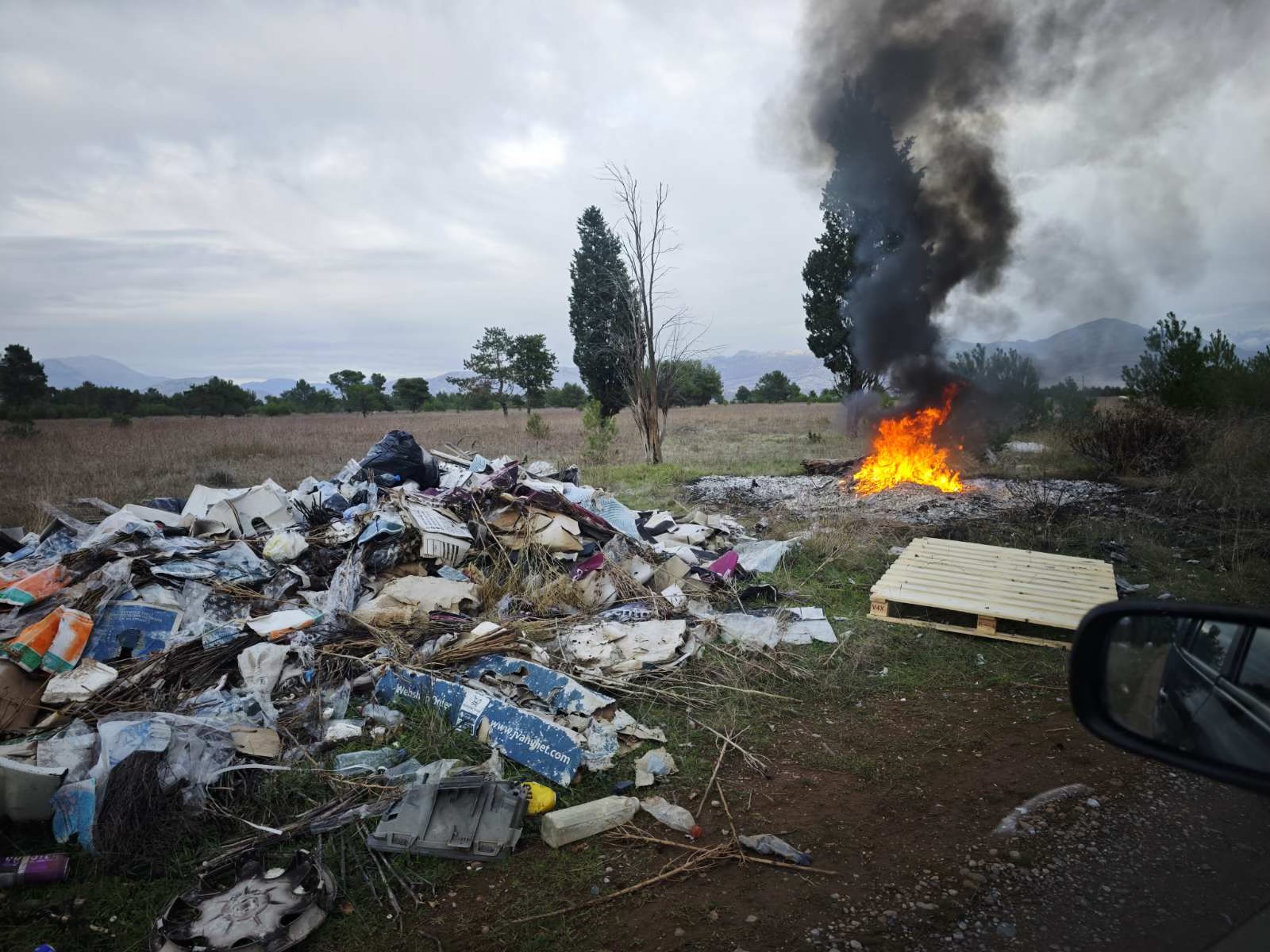
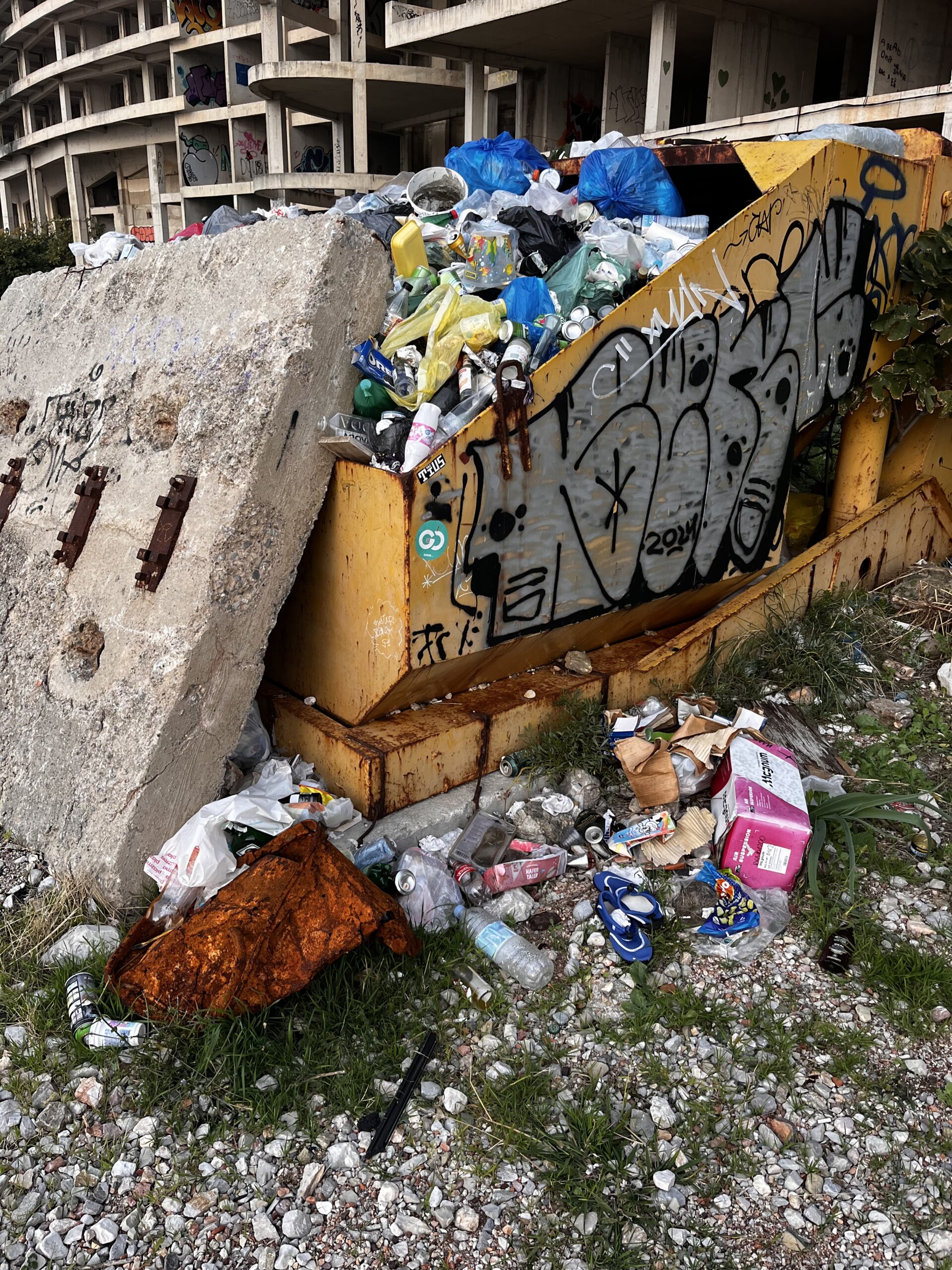
Representatives of the platform say that public interest has been high. Citizens most frequently report illegal dumping sites, facilities, gravel extraction, watercourse pollution, improper waste management and illegal activities in protected areas. The platform’s operational team, led by the Let’s Green Montenegro initiative, forwards reports to the competent institutions and monitors the implementation of measures in line with established procedures. In the first months of the campaign, actions were carried out in Podgorica, Ulcinj, Nikšić, Kotor and other towns.
“In less than a year, we have received more than 320 reports, and around 200 cases have been resolved so far. The platform’s administrators verify citizens’ reports, forward the information to the competent institutions, monitor developments and, where necessary, send reminders. Citizens and institutions often have different views of the situation on the ground: institutions may believe the matter has been resolved, but our aim is to prevent the reported situation from recurring. For example, in the case of an illegal facility, it is not enough for an inspection simply to seal it; it must also ensure that it cannot be put back into operation. We in the civil society sector then monitor the situation on the ground to make sure the job has truly been completed”, explains Vuk Vujisić from the cuvaj.me platform.
Six young people trained by the Environmental Protection Agency are engaged on the platform. They are trained to understand cases, carry out preliminary assessments, submit reports to institutions and follow up on what happens next.
“We make an effort to monitor locations with the highest number of cases and to work with local communities. For example, we dealt with two large, organised illegal dumping sites where individuals charged for waste disposal, resulting in the creation of major environmental black spots. In such cases, we seek to put pressure on institutions to seal the sites and install cameras so that we can monitor what is happening. Through the campaign, we also try to encourage institutions to respond more promptly to citizens’ reports”, Vujisić says, stressing that “the essence lies not in the number of inspections, but in solving problems and achieving real changes on the ground”.
“It is not the same if someone photographs a few bags next to a container, or if someone reports the organised dumping of hazardous waste, or a site where 800 tonnes of tyres have been discarded, as in the case of Orjen — which also poses a security risk if the tyres catch fire”, Vujišić adds. He believes it is important that “citizens can see what has been done and the history of each case, and this is also important because journalists can follow everything”.
“We want citizens to see that something is genuinely changing and that change is possible. Wherever we have managed to achieve results, we have subsequently received even more reports. Citizens have taken on part of the responsibility — they report, put pressure on institutions… This gives us renewed hope that things really can change”, Vujisić concludes.
This campaign in Montenegro brings together state institutions, local authorities, civil society organisations, companies and citizens, thereby creating conditions for long-term solutions in the field of environmental protection and contributing to Montenegro’s fulfilment of its obligations on the path towards EU membership.
“A particular step forward is the establishment of a specialised unit to combat environmental crime within the Police Directorate, as well as the procurement of the first shredder for processing car tyres for the company Deponije DOO”, representatives of Europe House say. They add that preventive mechanisms will continue to be strengthened, along with the further involvement of schools and citizens.
In the coming period, priority will be given to reports where individual responsibility can be established. Plans also include the introduction of regular bi-monthly reminders to institutions that fail to act on reports, as well as the publication of monthly reports on institutional efficiency. Activists envisage that the Čuvaj.me platform will remain with institutions as a permanent tool through which citizens can report pollution cases. There are also plans to establish the website crnetacke.com, linked to cuvaj.me, which will cover the entire region.
“In less than a year, we have received more than 320 reports, and around 200 cases have been resolved so far. The platform’s administrators verify citizens’ reports, forward the information to the competent institutions, monitor developments and, where necessary, send reminders. Citizens and institutions often have different views of the situation on the ground: institutions may believe the matter has been resolved, but our aim is to prevent the reported situation from recurring. For example, in the case of an illegal facility, it is not enough for an inspection simply to seal it; it must also ensure that it cannot be put back into operation. We in the civil society sector then monitor the situation on the ground to make sure the job has truly been completed”, explains Vuk Vujisić from the cuvaj.me platform.
Six young people trained by the Environmental Protection Agency are engaged on the platform. They are trained to understand cases, carry out preliminary assessments, submit reports to institutions and follow up on what happens next.
“We make an effort to monitor locations with the highest number of cases and to work with local communities. For example, we dealt with two large, organised illegal dumping sites where individuals charged for waste disposal, resulting in the creation of major environmental black spots. In such cases, we seek to put pressure on institutions to seal the sites and install cameras so that we can monitor what is happening. Through the campaign, we also try to encourage institutions to respond more promptly to citizens’ reports”, Vujisić says, stressing that “the essence lies not in the number of inspections, but in solving problems and achieving real changes on the ground”.
“It is not the same if someone photographs a few bags next to a container, or if someone reports the organised dumping of hazardous waste, or a site where 800 tonnes of tyres have been discarded, as in the case of Orjen — which also poses a security risk if the tyres catch fire”, Vujišić adds. He believes it is important that “citizens can see what has been done and the history of each case, and this is also important because journalists can follow everything”.
“We want citizens to see that something is genuinely changing and that change is possible. Wherever we have managed to achieve results, we have subsequently received even more reports. Citizens have taken on part of the responsibility — they report, put pressure on institutions… This gives us renewed hope that things really can change”, Vujisić concludes.
This campaign in Montenegro brings together state institutions, local authorities, civil society organisations, companies and citizens, thereby creating conditions for long-term solutions in the field of environmental protection and contributing to Montenegro’s fulfilment of its obligations on the path towards EU membership.
“A particular step forward is the establishment of a specialised unit to combat environmental crime within the Police Directorate, as well as the procurement of the first shredder for processing car tyres for the company Deponije DOO”, representatives of Europe House say. They add that preventive mechanisms will continue to be strengthened, along with the further involvement of schools and citizens.
In the coming period, priority will be given to reports where individual responsibility can be established. Plans also include the introduction of regular bi-monthly reminders to institutions that fail to act on reports, as well as the publication of monthly reports on institutional efficiency. Activists envisage that the Čuvaj.me platform will remain with institutions as a permanent tool through which citizens can report pollution cases. There are also plans to establish the website crnetacke.com, linked to cuvaj.me, which will cover the entire region.
Please wait while your video is being uploaded...
Don't close this window!