The Heritage Heroes Award for individual contributions to the protection and promotion of cultural heritage in Serbia was established in 2022 by the Delegation of the European Union to Serbia and Europa Nostra Serbia, within the framework of the European Heritage Days.
The recipients of the 2025 award are members of the Ansambl Generalštab initiative. Its representatives include conservation and restoration students Valentina Moravčević and Nikolina Đorđević, and architecture student Ognjen Marković, while the initiative itself brings together a broader circle of professionals, students and citizens. They received the Europa Nostra Serbia Award for their outstanding contribution to the promotion, protection and contemporary interpretation of Serbia’s modernist architectural heritage, with a particular focus on the General Staff building in central Belgrade, which holds the status of a cultural monument.
The General Staff building was constructed in the early 1960s and served as the headquarters of the Yugoslav Army command. Its architect, Nikola Dobrović, was awarded the status of academician for his work. The building was damaged during the NATO bombing in 1999, but part of it remains in use. The Serbian authorities subsequently adopted a law revoking its status as a cultural monument, thereby opening the way for its sale and demolition.
Members of The Initiative emphasise that, had the situation concerning the General Staff continued in the direction intended by the authorities, it would have endangered the entire legislative system designed to protect cultural and national monuments.
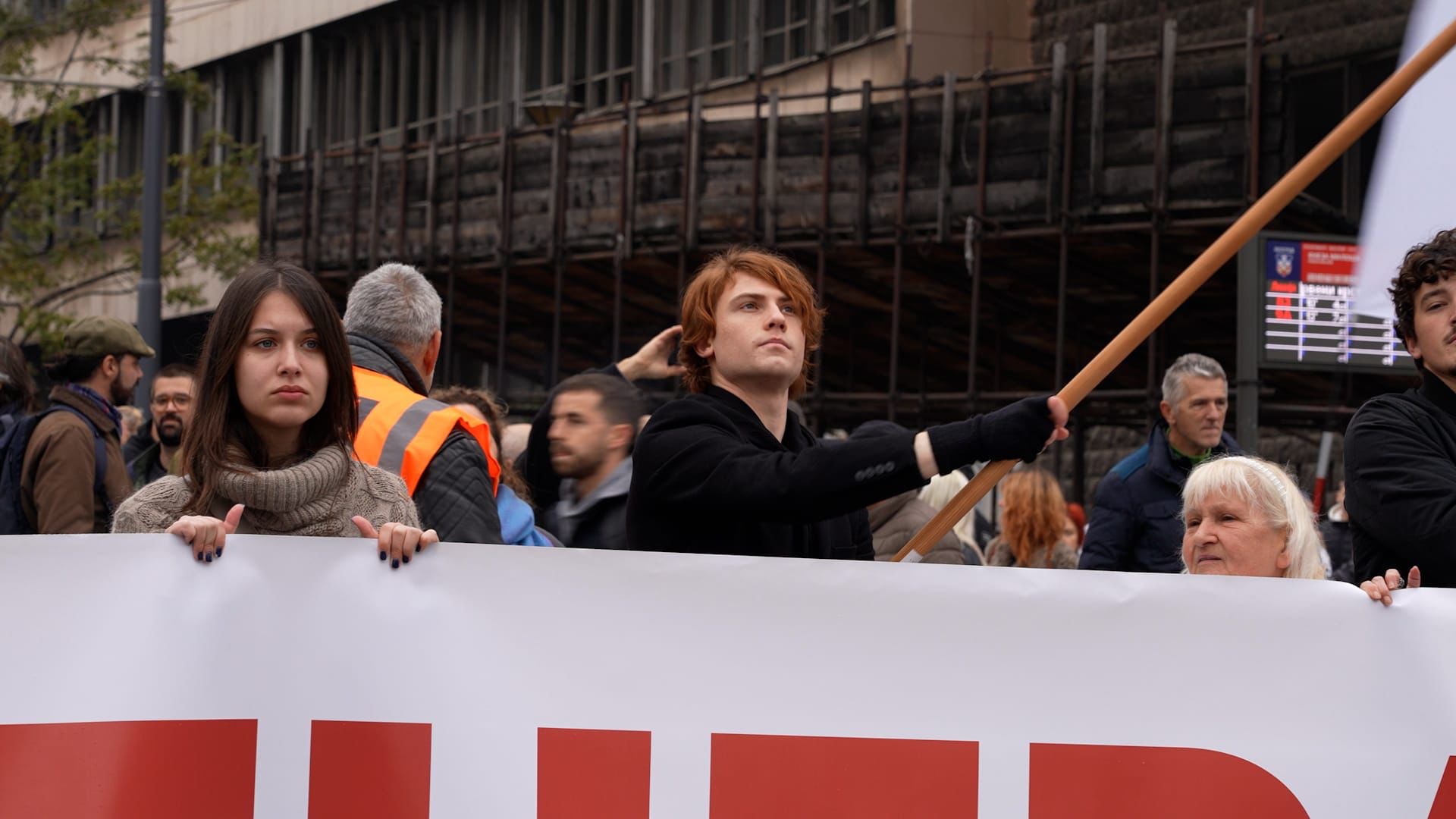

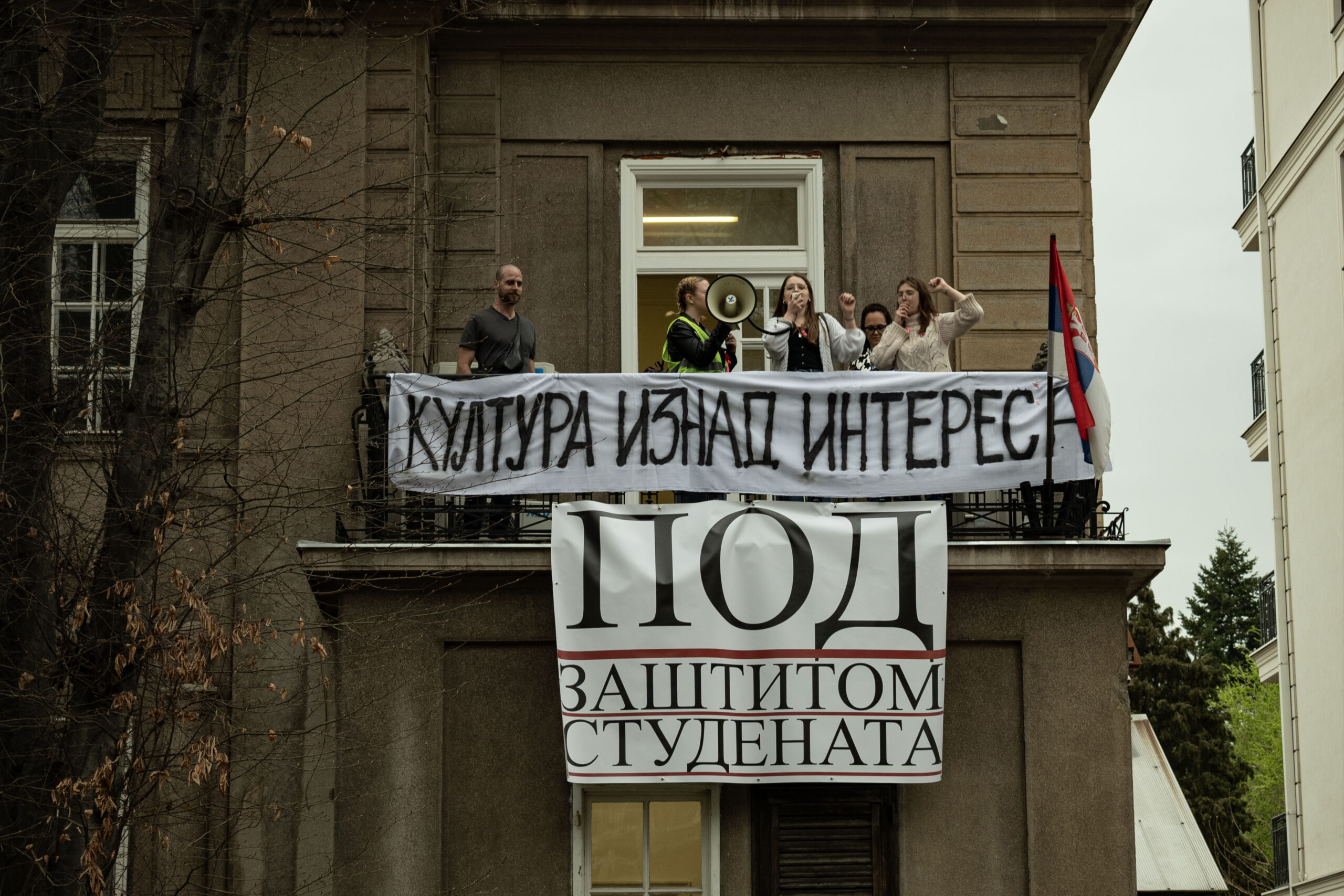
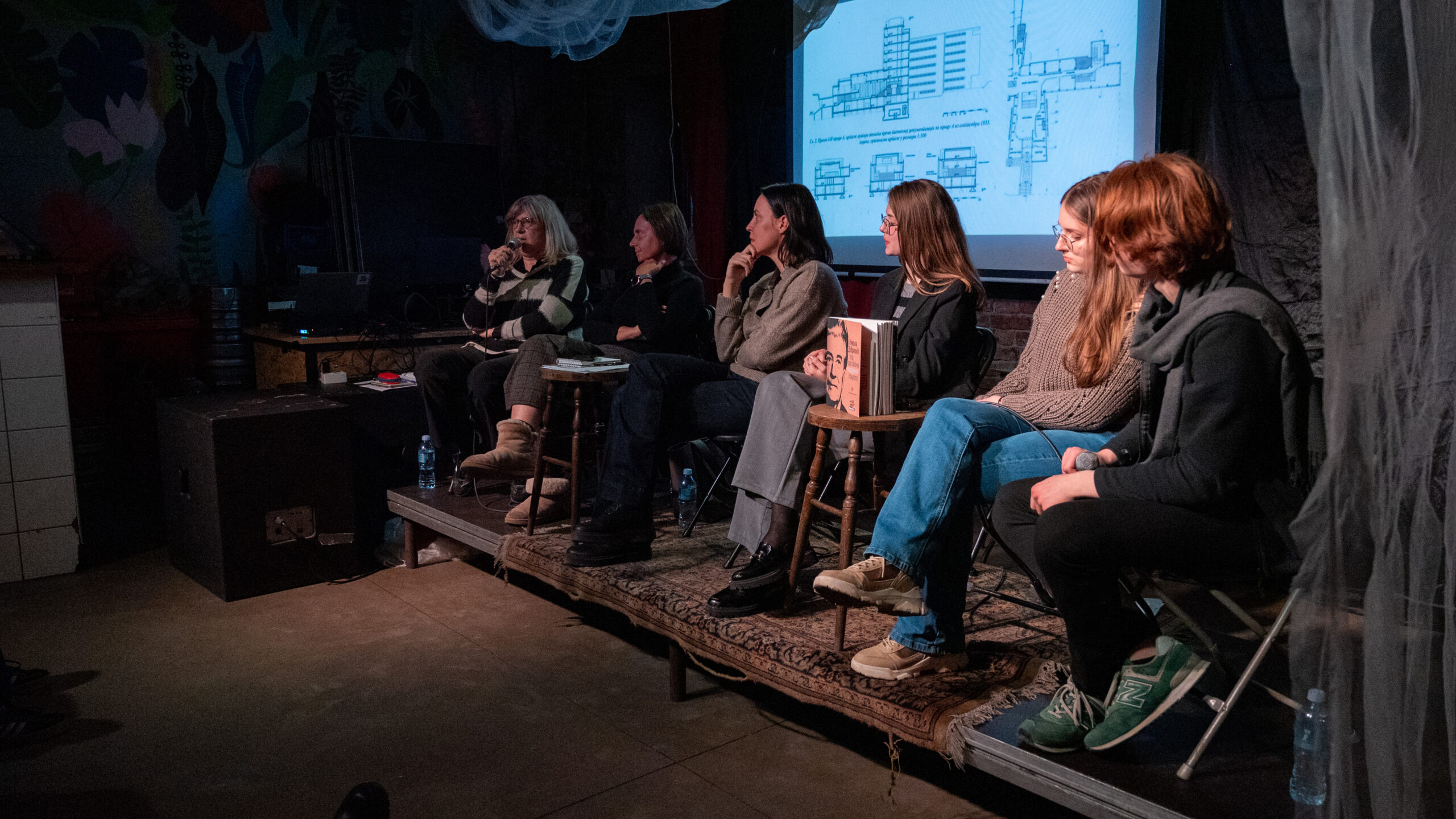
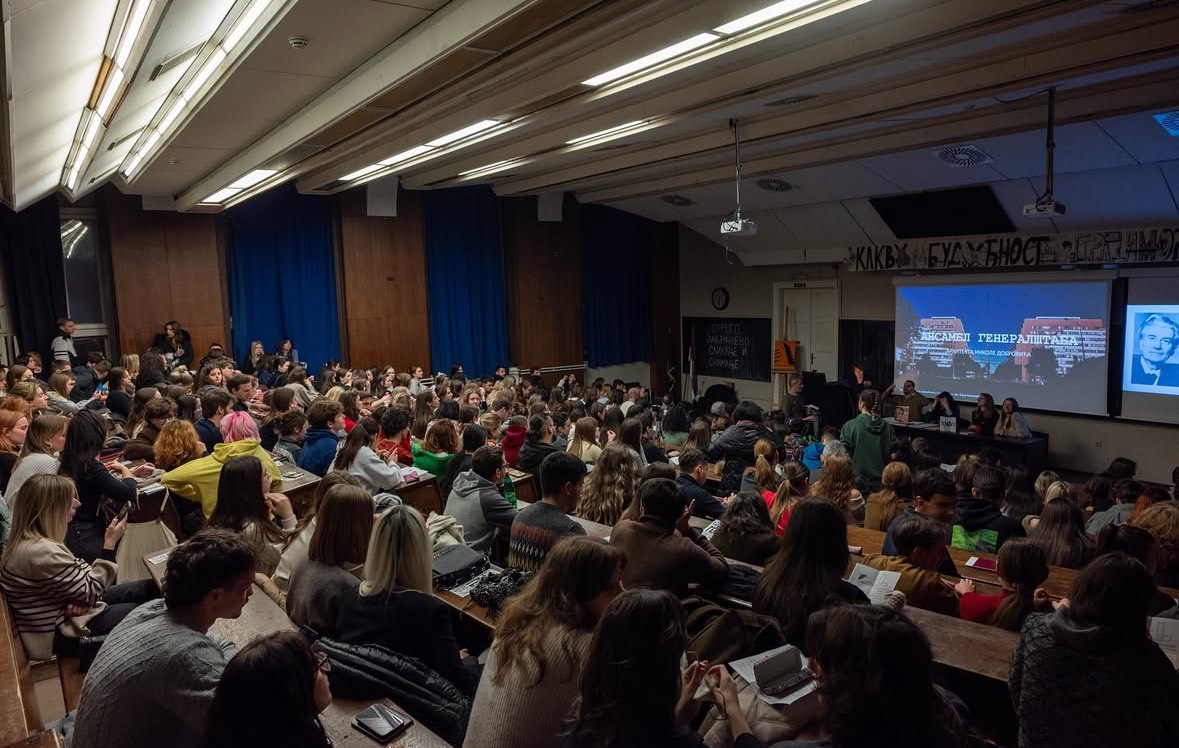
“The initiative emerged from a desire to raise public awareness of the importance of cultural heritage through education, lectures, public forums and open discussions. Before this, it was unheard of for 10,000 people to attend protests in defence of a cultural monument, or for 500 students from different faculties to listen to lectures on cultural heritage. We succeeded in transferring what had long remained within professional circles to the wider public, because cultural heritage belongs to all of us”, Valentina explains.
Nikolina adds that there is still insufficient awareness that every aspect of culture is worthy of preservation and care.
“As future professionals, we believe that every layer of history deserves to be valued, because it speaks of continuity that should not be neglected or forgotten. Moreover, the building is often described as a ruin, yet it is entirely possible to reconstruct it fully and bring it back into use”, Valentina says.
The Heritage Heroes recognition in Serbia is awarded to individuals, civic initiatives or groups of citizens for individual or collective contributions in the field of heritage that have achieved visible progress — independently of, or even despite, institutional frameworks or dominant social trends — in the preservation of cultural heritage.
The explanation accompanying the award decision states that The Initiative’s work demonstrates that heritage is not a closed professional topic, but a shared public good and a democratic right of the community. It highlights that Ansambl Generalštab underscored the need for a comprehensive, holistic approach — understanding architecture and urbanism in synergy, protecting ensembles and their urban context, as well as recognising memorial values as carriers of identity, continuity and collective memory. In doing so, they affirmed in the public sphere the understanding that a monument does not exist in isolation, but as part of the city’s wider urban fabric. It is also noted that, alongside educational activities, the initiative activated legal and institutional mechanisms.
The award was presented by the EU Ambassador to Serbia, Andreas von Beckerath, who stated that the students gathered around this initiative had succeeded in building bridges between different disciplines, generations and social actors engaged in the preservation, promotion and interpretation of cultural heritage.
“Their initiative has shown that heritage does not belong solely to experts and institutions, but is a living tissue of the community, shaped through dialogue, knowledge, creativity and responsibility. Ansambl Generalštab distinguished itself not only through the defence of heritage, but also by promoting broad public engagement and underlining the importance of the rule of law”, the Ambassador said.
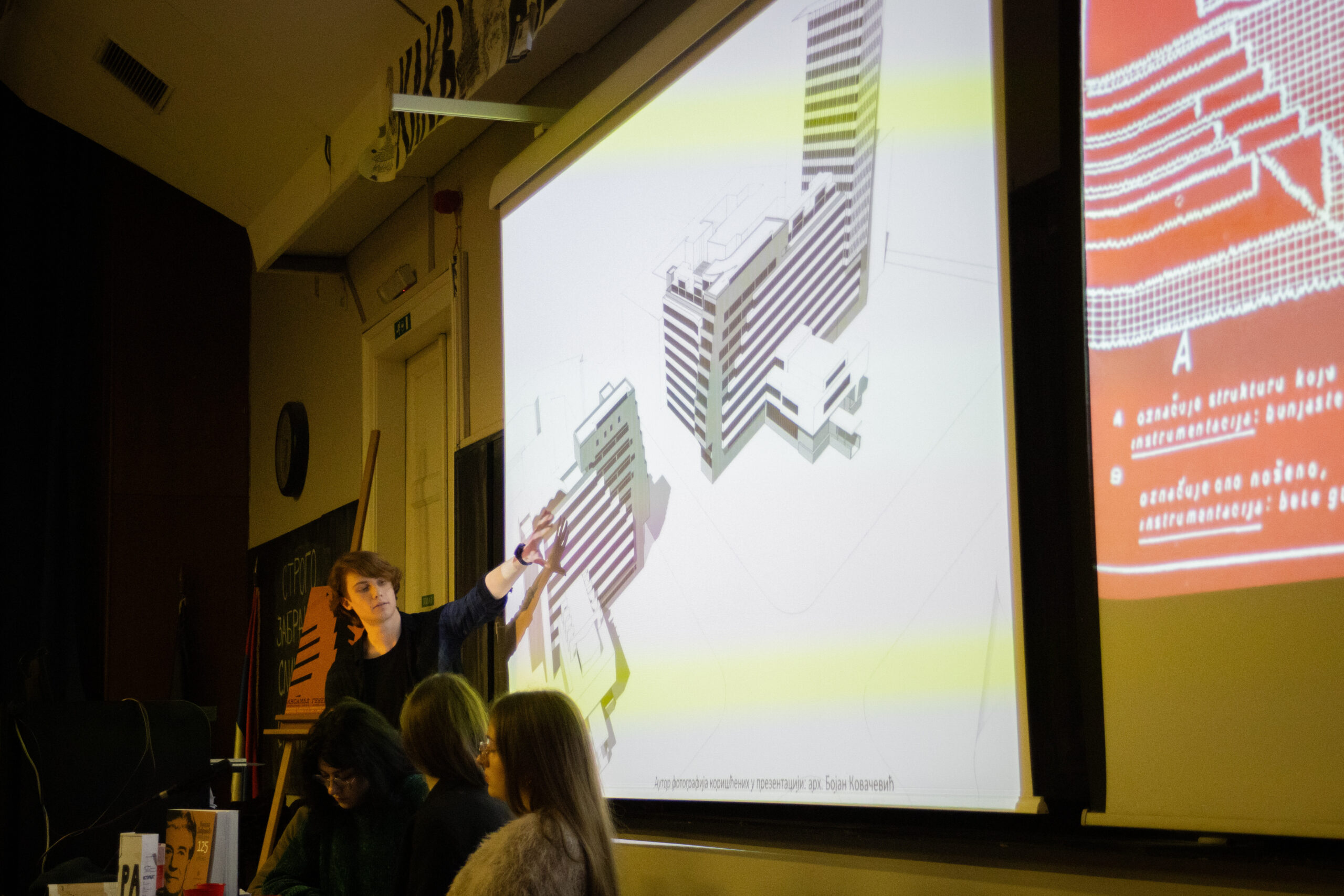
The award recipients do not hide their pride that their initiative has been supported by ICOMOS, ICOM, DOCOMOMO and Europa Nostra.
“This is a real breath of fresh air, as it is almost unheard of for young people to receive such prestigious awards. It is also a step towards a better future in which the opinions of young people will be valued and respected, and where young professionals will be considered just as important as their more senior counterparts. We are no longer merely people protesting in the streets — the international community has recognised our work as significant and our struggle as meaningful.”, Nikolina explains.
She adds that they expressed gratitude to the employees of the Republic Institute for the Protection of Cultural Monuments, who stood up to all pressures in defence of the ethics of their profession.
Looking to the future, they announce continued determination.
“If someone in Serbia wishes to work in the field of culture, it is always a struggle — for funding or for anything else. Cultural heritage, anywhere in the world, cannot be defined as ‘ours’ or ‘theirs’, because it is shared, and we must cooperate with European and global organisations alike”, Nikolina concludes stressing once again that the whole world is one.
“The initiative emerged from a desire to raise public awareness of the importance of cultural heritage through education, lectures, public forums and open discussions. Before this, it was unheard of for 10,000 people to attend protests in defence of a cultural monument, or for 500 students from different faculties to listen to lectures on cultural heritage. We succeeded in transferring what had long remained within professional circles to the wider public, because cultural heritage belongs to all of us”, Valentina explains.
Nikolina adds that there is still insufficient awareness that every aspect of culture is worthy of preservation and care.
“As future professionals, we believe that every layer of history deserves to be valued, because it speaks of continuity that should not be neglected or forgotten. Moreover, the building is often described as a ruin, yet it is entirely possible to reconstruct it fully and bring it back into use”, Valentina says.
The Heritage Heroes recognition in Serbia is awarded to individuals, civic initiatives or groups of citizens for individual or collective contributions in the field of heritage that have achieved visible progress — independently of, or even despite, institutional frameworks or dominant social trends — in the preservation of cultural heritage.
The explanation accompanying the award decision states that The Initiative’s work demonstrates that heritage is not a closed professional topic, but a shared public good and a democratic right of the community. It highlights that Ansambl Generalštab underscored the need for a comprehensive, holistic approach — understanding architecture and urbanism in synergy, protecting ensembles and their urban context, as well as recognising memorial values as carriers of identity, continuity and collective memory. In doing so, they affirmed in the public sphere the understanding that a monument does not exist in isolation, but as part of the city’s wider urban fabric. It is also noted that, alongside educational activities, the initiative activated legal and institutional mechanisms.
The award was presented by the EU Ambassador to Serbia, Andreas von Beckerath, who stated that the students gathered around this initiative had succeeded in building bridges between different disciplines, generations and social actors engaged in the preservation, promotion and interpretation of cultural heritage.
“Their initiative has shown that heritage does not belong solely to experts and institutions, but is a living tissue of the community, shaped through dialogue, knowledge, creativity and responsibility. Ansambl Generalštab distinguished itself not only through the defence of heritage, but also by promoting broad public engagement and underlining the importance of the rule of law”, the Ambassador said.
The award recipients do not hide their pride that their initiative has been supported by ICOMOS, ICOM, DOCOMOMO and Europa Nostra.
“This is a real breath of fresh air, as it is almost unheard of for young people to receive such prestigious awards. It is also a step towards a better future in which the opinions of young people will be valued and respected, and where young professionals will be considered just as important as their more senior counterparts. We are no longer merely people protesting in the streets — the international community has recognised our work as significant and our struggle as meaningful.”, Nikolina explains.
She adds that they expressed gratitude to the employees of the Republic Institute for the Protection of Cultural Monuments, who stood up to all pressures in defence of the ethics of their profession.
Looking to the future, they announce continued determination.
“If someone in Serbia wishes to work in the field of culture, it is always a struggle — for funding or for anything else. Cultural heritage, anywhere in the world, cannot be defined as ‘ours’ or ‘theirs’, because it is shared, and we must cooperate with European and global organisations alike”, Nikolina concludes stressing once again that the whole world is one.
Please wait while your video is being uploaded...
Don't close this window!